
Word Tiles - Relaxing Puzzle review
 Analysis by Appsdrops
Word Tiles - Relaxing Puzzle is a word puzzle game from Agave Games built around a simple, appealing idea: arranging word tiles into a satisfying puzzle-solving session. I like that the concept is easy to grasp without making the experience feel like a test of specialist knowledge. It gives word-game fans a straightforward reason to stop, focus on a few tiles, and enjoy the moment when a solution comes together.
Why the word-tile idea works
The game’s central appeal is right there in its short description: word tiles. Rather than asking you to learn a complicated set of rules before you can get started, it puts words and tiles at the heart of the experience. That makes the puzzle feel approachable, especially if you already enjoy spotting patterns, turning letters over in your mind, or searching for the right word among several possibilities.
For me, the strongest part of this approach is how naturally it gives the player a clear focus. A word puzzle asks you to pay attention, but the basic goal remains familiar: make sense of the pieces and work toward a solution. That balance is useful for a relaxing game. You can engage your brain without feeling as though you need to master a large collection of mechanics before the fun begins.
The best thing about a tile-based word puzzle is how quickly a small moment of concentration can become a satisfying solve. That feeling is the point here. Word Tiles - Relaxing Puzzle is designed for people who want a puzzle-centered activity rather than a sprawling game that demands a long commitment just to understand what is happening.
The word-game format also gives each session a natural rhythm. You look at the tiles, consider possible words, and adjust your thinking until the pieces make sense. Even when you need a little time to find a way forward, the task stays easy to understand. That makes the game a comfortable fit for casual play, when I want something mentally engaging but not overwhelming.
Getting into the puzzle
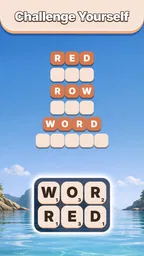
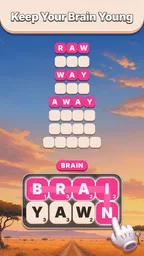
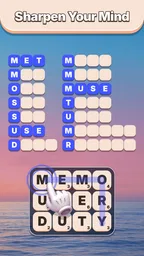
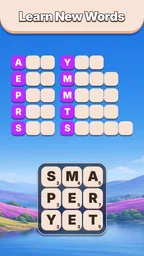
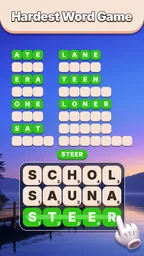
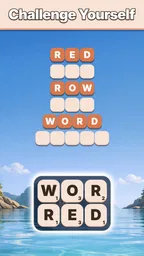
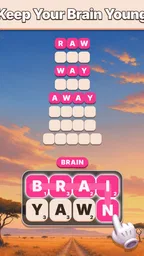
In practice, the experience revolves around interacting with word tiles and thinking through how they fit together. The store summary keeps the promise concise, and the game’s identity follows that same direct direction: this is a word puzzle, not a general-purpose collection of unrelated activities. If you enjoy language-based challenges, you can immediately see the kind of thinking it invites.
The simple premise is an advantage because it lets the puzzle itself take center stage. You do not have to approach it as a high-pressure competition or a story-heavy adventure. Instead, the appeal comes from looking carefully, testing ideas in your head, and reaching a solution. I find that kind of structure especially pleasant when I want to play for a little while without having to keep track of a lot of extra information.
Word puzzles can be satisfying because they mix recognition with a little persistence. Sometimes a possible answer is obvious; sometimes you need to reconsider the arrangement and look at the tiles from another angle. That change in pace helps keep the activity from feeling like pure repetition. The pleasure is in the moment where the right word becomes clear, not in a complicated explanation of how the game works.
It is also a format that can suit different moods. If I have only a brief break, I can focus on a small puzzle-solving moment. If I am in the mood to concentrate, I can spend longer considering the words and patterns. The game’s central idea supports both kinds of play because it does not depend on a lengthy setup to make the activity understandable.
A calming kind of concentration
The word “relaxing” in the title sets an expectation about the kind of mood the game aims to create. The puzzle premise supports that positioning: it gives you something to think about while keeping the basic activity familiar. For players who enjoy a quiet mental challenge, that can be more appealing than a game that relies on frantic action or constant demands for attention.
Relaxing does not have to mean completely effortless. A good puzzle still asks you to pause, notice details, and make choices. What matters is that the challenge feels approachable enough to enjoy at your own pace. Word Tiles - Relaxing Puzzle has an immediately understandable word-game identity, which makes it easier to settle into the task rather than spend your first session deciphering a complicated ruleset.
That can make the game a useful companion for everyday downtime. You might want a few minutes of word-focused play between other activities, or a calm change of pace when you would rather solve something than scroll. The appeal is not that it transforms every spare moment into an elaborate adventure. It is that a familiar puzzle concept can give that moment a little structure and a sense of progress.
There is a particular pleasure in an activity that feels mentally active without making the player feel rushed. Word tiles offer a concrete thing to examine, while word recognition provides a familiar route toward a solution. If you like puzzles that let you think through the answer instead of reacting instantly, this game’s core concept should feel inviting.
Where it fits best
I see this game working best for players who already like word puzzles and want an easy-to-understand option for casual sessions. It is also a reasonable place to start if you are curious about word-tile games but do not want to commit to a complicated format. The simple premise helps lower the barrier to entry: the words and tiles are the focus, so you can spend your attention on solving rather than learning a broad set of unrelated systems.
It may suit a quiet break especially well. Word puzzles give the mind a clear task, and the tile-based framing makes that task feel tangible. You are not simply waiting for something to happen; you are considering the pieces and trying to make them work. For me, that is a more satisfying way to fill a short pause than an activity with no clear goal.
The game could also appeal to people who enjoy language but are not looking for a formal learning tool. Its identity is that of a puzzle game, so the enjoyment comes from engaging with words and solving the challenge. You can approach it as entertainment, while still appreciating the way a word puzzle encourages attention and flexible thinking.
Its store rating gives potential players an additional point of reference. Word Tiles - Relaxing Puzzle has a 4.9 average from around 44,000 ratings, while its install count is over one million. Those figures suggest that the game has found a substantial audience, though the most important question for any individual player remains whether the word-tile approach is the kind of puzzle they enjoy.
Keeping expectations in balance
The same focused concept that makes the game approachable also defines its limits. If you are searching for a varied collection of genres, a deep narrative, or a puzzle experience built around complicated mechanics, a word-tile game may not be what you want. The appeal here is concentrated in the core word puzzle, so your enjoyment will depend on whether that activity holds your interest.
Word puzzles also rely on the player’s relationship with language. If you enjoy finding words and testing possibilities, the format can be absorbing. If letter and word challenges are not your thing, a relaxing presentation alone may not be enough to make the activity compelling. That is not a flaw so much as a matter of taste: the game makes a clear promise, and it will resonate most with people who like that particular kind of mental exercise.
There is another tradeoff in keeping the concept simple. A direct puzzle format is easy to pick up, but players who want every session to feel radically different may prefer a game with a broader range of activities. Here, the attraction is the repeated pleasure of working with word tiles. I would approach it with the expectation of a focused word game, not as an all-in-one entertainment package.
The game is free to play, with in-app purchases listed from $1.99 to $49.99 per item. That is worth keeping in mind when deciding how you want to play. The presence of optional purchases does not change the basic appeal of the word-puzzle idea, but it is sensible to consider your own spending preferences before making any in-app purchase.
Who will enjoy it most?
Word Tiles - Relaxing Puzzle is an easy recommendation to consider if you like word games, prefer a clear goal, and enjoy solving at a comfortable pace. It is particularly well suited to players who want a small, focused challenge rather than an experience that demands a big time commitment or a steep learning curve. The word-tile concept gives those players a familiar starting point and a reason to keep paying attention.
It may be a good fit for casual puzzle fans who enjoy the satisfaction of recognizing a word after a little thought. It can also appeal to people who want a calm activity for a break, especially if they find language-based puzzles more enjoyable than action-oriented games. The key is that the central mechanic should sound fun to you: looking at tiles, considering words, and working toward a solution.
Players who need constant variety, a competitive focus, or a rich story may want to look elsewhere. The game’s identity is intentionally much more focused. For the right audience, that focus is a strength: you know the kind of experience you are getting, and the puzzle itself remains the reason to play.
A focused word-game recommendation
With a free entry point, an Everyone age rating, and a clear puzzle identity, Word Tiles - Relaxing Puzzle is easy to understand as a casual word-game choice. Agave Games has built its appeal around a simple idea that can work well for short sessions: use word tiles as the center of a relaxed mental challenge. The current version is 1.6.4, and the game has an average rating of 4.9 from around 44,000 ratings.
My overall impression is that the game’s strongest quality is its focused format. It does not need an elaborate premise to explain why a word puzzle can be enjoyable. The satisfaction comes from giving your attention to the tiles, considering the words, and finding a solution that clicks. If that kind of calm concentration sounds appealing, this is a sensible game to try.
Ultimately, this is a choice for players who want a relaxed word puzzle with a clear, tile-based focus. Its simple concept is its main attraction and its main boundary, so expectations matter. Come for an accessible word challenge rather than a wide-ranging game, and the experience is likely to make the most sense for what it is.
What we like
- Simple rules make it easy to start playing.
- Short rounds fit well into brief breaks.
- Word challenges can help build vocabulary.
- Tile-based controls are easy to use on a touchscreen.
- The relaxed pace makes it suitable for casual play.
What could be better
- Some puzzles may feel repetitive over time.
- Later levels can become challenging without hints.
- Ads may interrupt play depending on the version.
- The game offers limited appeal to players seeking fast action.
- A stable device is needed to enjoy smooth gameplay.







