





ReelShort - Stream Drama & TV review
 Analysis by Appsdrops
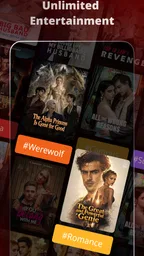
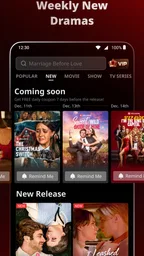
I can see why ReelShort catches people’s attention quickly: it turns a spare few minutes into a bite-sized fiction session, rather than asking me to settle in for a full episode. Its focus is short-form drama, with series and movies alongside the quick stories, so it sits somewhere between a streaming service and a feed of serial cliffhangers. I found that format most appealing when I wanted a bit of entertainment without planning my evening around it.
Why the first week feels easy
The app is an entertainment app from NewLeaf Publishing, and its central idea is simple: watch dramatic stories in small portions, often on a phone and in HD. That narrow purpose makes it easy to understand. I do not have to browse a huge catalogue of unrelated media before finding the kind of heightened, plot-driven viewing ReelShort is built around.
The first sessions can be especially persuasive because short episodes make it easy to sample a story. A commute, a lunch break, or the few minutes before bed can fit an instalment where a traditional TV episode would not. Cliffhangers give each segment a clear stopping point, though they can also make “just one more” feel like a natural choice.
That rhythm is the app’s strongest practical distinction from familiar streaming platforms. A conventional service is better when I want a complete film, a long episode, or a broad mix of genres and formats. ReelShort is more suited to a quick run of serialized drama. I would treat it as a specific entertainment habit, not as a replacement for every other streaming option.
It is also easy to see why the format travels well: the stories are designed to be followed in fragments, so I can return after a distraction without needing to remember a complicated plot from an hour-long episode. That convenience does not mean every story will suit every viewer. The heightened dramatic style is part of the appeal, but anyone looking for subtle, slow-burn storytelling may find it too emphatic.
How I would fit it into an ordinary day
Imagine waiting for a ride after work with ten minutes to spare. I could open ReelShort, continue a story, and stop when the ride arrives without having to pause halfway through a feature-length film. In that setting, short drama has a real advantage: it gives an idle interval a beginning and an ending. At home, though, I would be more likely to choose a longer programme if I wanted a deeper, uninterrupted viewing session.
For a new user, I recommend trying a few different stories rather than judging the entire app from the first one. The format stays consistent, but the tone and premise can change from series to series. A story that feels compelling in a quick sample may not keep my interest across repeated visits, so sampling is a better test than assuming every title will land the same way.
What keeps it useful after the novelty
ReelShort’s longer-term value depends less on the novelty of short episodes and more on whether I find stories I genuinely want to revisit. The app has a large audience: it has passed 100 million installs, with an average rating of 3.8 from around 2 million ratings. Those figures suggest broad reach, but they cannot tell me whether its particular style matches my taste. I would use them as context, not as a guarantee of satisfaction.
At month-to-month scale, the key question is whether short drama remains a welcome option or becomes an automatic scroll. I get the most from it when I open the app with a clear purpose: continue a series I already enjoy, or sample something new during a short break. Without that intention, the succession of dramatic scenes can blur together, and quick access becomes less of a benefit.
One useful way to keep the experience manageable is to choose a stopping point before opening a cliffhanger-heavy story. I might decide to watch during a coffee break and close the app when the break ends, rather than letting the next unresolved moment set the schedule. That small boundary matters because the format is designed around serial momentum. It lets me enjoy the pacing without confusing a convenient episode length with a reason to keep watching indefinitely.
Another practical trade-off is the difference between casual sampling and paying for continued access to particular content. ReelShort is free to install, but it includes in-app purchases, with listed item prices ranging from about nine cents to nearly two hundred dollars. That is a wide range, so I would check the price and what an item actually provides before making a purchase. I would not assume that every story can be watched in the same way without spending, or that a low entry price reflects the total cost of following a series.
If I am trying the app for the first time, I would start without purchasing anything and pay attention to how the available viewing fits my habits. If I reach a point where a story’s continuation is gated or another purchase is presented, I would pause and decide whether that particular series is worth the expense to me. This is a better approach than treating an unfinished cliffhanger as a reason to spend on impulse.
The upkeep is light, but attention is the real cost
There is not much routine maintenance to explain: I can open the app when I want a short drama session and leave it alone when I do not. It runs on Android 7.0 or later, and the current version is 4.2.00. The more important upkeep is personal rather than technical. I need to keep an eye on viewing time and purchases, especially if I tend to tap through episodes quickly or watch while doing something else.
The Teen age rating is worth considering for families. A parent should decide whether the app’s dramatic material is appropriate for a particular teenager, rather than treating the rating as a substitute for judgement. The stories are the main event, so content preferences matter more than the fact that episodes are short. I would also make purchase expectations clear before handing the phone to a young viewer.
For someone who watches on a small screen, the short format can be a better fit than sitting through a full programme while away from home. Still, HD presentation does not solve every viewing situation: I would choose a more conventional service if I wanted a relaxed, longer session on a larger screen or a wider range of programming. ReelShort makes most sense when the short-session format itself is what I want.
Where repetition and friction can creep in
The same cliffhanger structure that makes an episode easy to start can become tiring if every visit feels engineered to push me into the next one. I enjoy an unresolved ending when I am invested in the characters, but repeated urgency can make stories feel more like a chain of prompts than a satisfying viewing rhythm. I would take breaks between series instead of trying to watch continuously just because the next segment is available.
There is also a quality-versus-variety trade-off. ReelShort’s identity is clear, but that focus means it is not the place I would go for every mood. When I want comedy, factual programming, a familiar long-running show, or a film with room to breathe, another streaming service is likely a better choice. A broad platform offers more variety; ReelShort offers a more concentrated short-drama experience.
The purchase model can add friction at exactly the moment a story has made me curious about what happens next. That is when I am most likely to make a quick decision, so I would avoid buying in the heat of a cliffhanger. Checking the item price first and setting a personal spending limit turns a potentially impulsive moment into a deliberate choice. The app may still be enjoyable without becoming a regular expense, but the answer depends on the content and access available to each viewer.
For a household sharing a device, I would be particularly careful about account and purchase habits. A short episode is easy to hand over casually, but purchases can have a much larger range than the cost of a single snack. Making sure the person watching understands that paid items exist is a simple way to avoid an unpleasant surprise. If I wanted entertainment with no purchase decisions at all, I would prefer a service whose payment arrangement I already understand.
Who will keep it installed
I would recommend ReelShort to people who enjoy melodramatic serials, like compact episodes, and often have small pockets of free time. It can also suit viewers who want to sample a story before committing to a longer programme. The app is free to download, but the purchase range means I would still approach it with a budget in mind. Its 51,000 reviews and broad install base show that many people have tried it, though neither popularity nor ratings can replace a quick personal test.
I would skip it, or at least keep it as a secondary option, if I prefer complete episodes, restrained storytelling, or a library spanning many unrelated kinds of entertainment. It is also a poor fit if cliffhangers tend to turn a short break into a much longer session, or if I do not want to encounter in-app purchase choices. In those cases, a traditional streaming app or a self-contained film is a better match for the way I want to watch.
For me, the lasting case for ReelShort is convenience with a clear limit: it offers a distinct way to follow drama in fragments, but it does not automatically earn a permanent place on my phone. I would keep it if I found a few series that made me look forward to returning and could use it without letting cliffhangers dictate my time or spending. If that interest fades, there is little reason to keep opening it out of habit. That is the honest test after the first-week novelty: does the next short session feel like a choice I enjoy?
What we like
- Episodes are short enough to watch during a quick break.
- A broad selection of serialized dramas suits fans of cliffhangers.
- New story episodes can keep ongoing series engaging.
- The app makes it easy to browse dramas by genre.
- Subtitles help viewers follow stories across languages.
What could be better
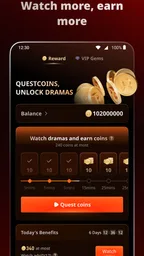
- Many episodes require coins or a paid subscription.
- Free coin offers may involve ads or other tasks.
- Some stories rely on familiar romance and revenge tropes.
- Frequent cliffhangers can make plots feel drawn out.
- Video streaming uses mobile data when Wi-Fi is unavailable.




