



PineDrama - Short Dramas review
 Analysis by Appsdrops
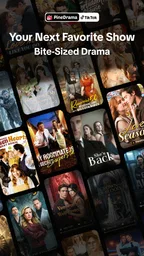
I’m drawn to short dramas when I have a spare stretch of time but not the attention or schedule for a full-length series. PineDrama is built around that kind of viewing: an entertainment app focused on short-form dramatic stories. Its appeal is easy to understand in the first sitting, but the more useful question is whether those quick episodes remain satisfying once the novelty wears off. My view is that it can earn a regular place for viewers who enjoy compact, serial storytelling, though it is less suited to anyone looking for a broad streaming library or a hands-off way to discover every kind of entertainment.
Quick stories make a strong first impression
The first-week draw is the low commitment. Rather than setting aside an evening for a long film, I can open PineDrama when I’m waiting for an appointment or winding down after dinner and sample a dramatic story in a smaller window. That makes it easier to try a series without feeling that I have already signed up for a major time investment. The format also suits viewers who like a clear narrative hook and want the next part of the story soon.
The app’s identity is deliberately narrow: it is not trying to be a general video platform with every genre and format competing for attention. That focus can be a relief if I’m specifically in the mood for short dramas. It also means the experience depends heavily on whether those stories match my taste. Someone hoping to switch between documentaries, live content, comedy clips, and long films may find a broader streaming service or video app more useful.
I would treat the opening session as a test of the storytelling style, not just the interface. Short episodes can create momentum, but they can also make a plot feel rushed or lean on cliffhangers to keep viewers moving. If I enjoy the characters and want to see how their situation develops, that is a good sign. If I feel that each installment is only delaying a payoff, the format may not suit me, however convenient the viewing is.
That distinction matters because a short episode is not automatically a better episode. In my experience, compact drama works best when a scene changes the situation, reveals something meaningful, or gives a character a memorable choice. If the story stretches a simple conflict across too many parts, the small time commitment can become a repeated interruption rather than a benefit.
Where it fits into an ordinary day
A realistic use is a commute with an uncertain arrival time. I might watch one installment while waiting for a train, then stop when I need to get off rather than trying to pause a long film at an awkward moment. Another good window is a short break between chores: a self-contained viewing session is easier to fit around everyday obligations than a feature-length movie. I would still avoid starting a tense sequence when I know I have to leave immediately; cliffhanger-driven stories are good at making “one more” feel tempting.
For a better first impression, I’d choose one series and give it enough attention to see whether its characters hold my interest. Sampling several dramas for only a minute or two can make them blur together, especially when each begins by establishing a new cast and conflict. A little patience helps distinguish a story that is building momentum from one that simply starts loudly.
Who is likely to enjoy it
PineDrama is a natural fit for people who already like serialized drama and prefer frequent, shorter viewing sessions. It may also work for someone trying to replace aimless scrolling with a story that has characters and continuity. Viewers who want background audio, slow-paced storytelling, or a large range of unrelated genres should be more cautious. This is a focused choice, and its strength is also its boundary.
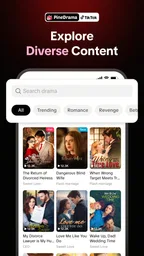
There is a useful trade-off with familiar alternatives. A conventional streaming service is usually the better pick when I want a long film, a well-established series, or a varied catalogue for a household with different tastes. A general short-video feed is better for quick, unrelated clips and spontaneous discovery. PineDrama sits between those habits: it offers the short-session convenience associated with mobile viewing while keeping the focus on dramatic stories that continue from one installment to another.
Does the habit hold up after the first week?
The month-to-month value depends less on novelty than on whether I keep finding stories I want to follow. Short drama is appealing when I have a small pocket of free time, but that alone does not make an app a lasting habit. If I return because a plot has earned my curiosity, the format has done its job. If I open it only because the episodes are short and then leave without caring what happens next, convenience has not translated into durable value.
One practical way to judge that is to notice what happens after an episode ends. Am I interested in the characters’ next decision, or am I tapping onward simply because the next part is immediately available? The first response points to genuine engagement; the second can turn viewing into a reflex. I recommend setting a natural stopping point before starting, particularly during a busy day, so a sequence of short parts does not quietly occupy more time than intended.
As an entertainment app from TikTok Pte. Ltd., PineDrama has a clear identity, but I would not assume that its appeal is the same as TikTok’s broader short-video experience. The value here is dramatic continuity, not a promise that every visit will deliver a different type of content. If I want variety above all else, rotating between separate services may serve me better. If I want a compact serial story, keeping a dedicated option can make sense.
The app is free to install, with in-app purchases listed from $2.99 to $199.99 per item. That range makes it worth paying attention to any purchase prompt rather than treating every continuation or viewing choice as cost-free. I’d use the free experience to decide whether the storytelling itself is worth returning for, then consider a purchase only after I understand what it unlocks and how often I would use it. For a casual viewer, spending before establishing that habit is difficult to justify.
Its audience scale is substantial: PineDrama has over 50 million installs, a 4.6 average from around 449,000 ratings, and about 6,600 written reviews. Those figures suggest that many people have tried it, but they cannot tell me whether its particular stories will suit my taste. I’d treat them as context, not as a substitute for sampling the format. A large audience can coexist with a very specific appeal.
Keeping it useful without making it a chore
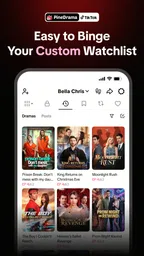
For me, maintenance here is mostly about managing attention and spending, rather than treating the app like a service that needs constant work. I’d keep it in my routine only if I actually use it for short drama; there is little point in checking it out of habit when I would rather watch something else. Choosing a single series to follow, instead of hopping between titles whenever a new opening catches my eye, can also make the experience feel more coherent.
Another useful habit is to separate curiosity from commitment. A dramatic premise may be enough to try an episode, but I do not need to finish a story just because I started it. If the pacing feels repetitive, the characters do not hold my attention, or the installments leave me frustrated rather than intrigued, moving on is reasonable. Short episodes lower the cost of trying a series, but they do not remove the cost of repeated attention.
Device compatibility is straightforward for many Android users: the app supports Android 6.0 and later. It is listed for teens, so I would still make an age-appropriate choice based on the viewer and the stories they encounter. A teen content rating is useful context, but it is not a personal recommendation for every family or every viewer.
What may cause the novelty to fade
The first source of fatigue is repetition. A focused drama app asks its stories to do most of the work, so familiar conflicts or predictable turns can become more noticeable when there is less variety around them. I would not expect a narrow format to replace a broad entertainment service indefinitely. It earns its place when I want this particular kind of story, not by covering every possible mood.
The second is the pull of serialized pacing. Cliffhangers can make a short session satisfying, but they can also leave me feeling that I have watched a fragment rather than a complete moment. That is a matter of taste: viewers who like fast hooks and continuing plots may welcome it, while people who prefer a beginning, middle, and end in one sitting may find a film or an episodic series with longer installments more rewarding.
Finally, the presence of in-app purchases changes how I would approach browsing. The app may be free to start, but I would not assume that every option is included at no cost. I’d pause at purchase screens, check the item and price carefully, and avoid buying simply because a story has reached a suspenseful point. That is a sensible safeguard for any entertainment app that offers paid items, and especially useful when the format encourages rapid continuation.
My long-term verdict
PineDrama is worth keeping for a specific habit, not as an all-purpose streaming replacement. I can see it lasting on my phone if I regularly want short dramatic installments during waits, breaks, or quiet moments at home. Its narrow focus is a plus when I know what I want, but a limitation when I’m in the mood to browse across very different kinds of entertainment.
The current version is 47.4.3, and the app’s free entry point makes trying its format relatively easy. I would give it a fair test with a story that genuinely interests me, keep an eye on purchase prompts, and then judge whether I return because I care about what happens next. That is a better measure of lasting value than a burst of first-week curiosity.
If short serial drama already fits how you watch, PineDrama is a sensible option to try. If you mainly want complete films, broad genre choice, or content that can play in the background without demanding attention, I’d choose a different kind of service. My recommendation is therefore positive but selective: keep it if the stories become part of a routine you enjoy, and let it go if the short format starts feeling like an endless chain of unfinished scenes.
What we like
- Short episodes make it easy to watch during a spare moment.
- A vertical video layout works well on phones.
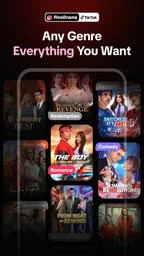
- Romance and suspense offer variety for drama fans.
- New episodes can keep ongoing stories engaging.
- The focused format avoids lengthy episode commitments.
What could be better
- Some series may end on cliffhangers that require waiting.
- The catalog may be smaller than major streaming services.
- Video streaming can use substantial mobile data.
- Subtitles or dubbing may not suit every viewer.
- Frequent short episodes can make stories feel rushed.




