
Wheel of Fortune Official Game review
 Analysis by Appsdrops
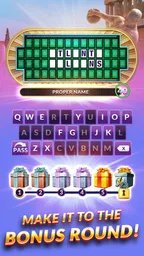
Wheel of Fortune Official Game brings the familiar word-puzzle premise of the hit TV show to mobile, pairing letter-solving with the excitement of spinning a wheel. It’s an easy game to understand, and its word-game focus makes it a natural pick for quick sessions when you want something more engaging than a simple tap-through distraction.
A familiar wheel, a satisfying word puzzle
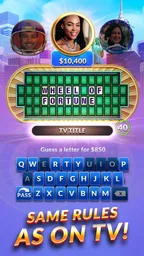
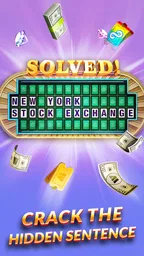
The basic appeal is right there in the store summary: spin the wheel and play word games inspired by Wheel of Fortune. The show’s recognizable combination of guessing letters and working toward a solved phrase gives the game an inviting starting point. Even if you’re new to the series, the central idea is straightforward: use the puzzle’s visible clues to figure out the answer, with the wheel adding an extra layer of anticipation.
That blend is what makes this word puzzle game feel more lively than a plain list of clues. A good puzzle invites you to look for familiar patterns, test possible words in your head, and enjoy the moment when the answer clicks. The wheel supplies a sense of occasion around that process, while the wordplay remains the main attraction. I like that the concept is instantly readable; you don’t need a long explanation before you can appreciate what the game is about.
The TV-show connection also gives the game a clear identity. It isn’t simply another collection of unrelated vocabulary challenges: the wheel and phrase-solving premise are central to its appeal. That recognizable format should suit longtime fans, while casual players can approach it as a light, accessible puzzle game. Its broad Everyone 10+ content rating is another sign that the intended experience is suitable for a general audience, though individual preferences about game content are always worth considering.
Simple to pick up, built around wordplay
Word games work best when the rules don’t get in the way of the thinking. Here, the concept needs little introduction: look at a puzzle, consider the letters and wording, and try to reach the solution. The wheel adds suspense to that familiar process, giving each round a little more personality than a conventional fill-in-the-blank puzzle. That combination is likely to appeal to players who enjoy both solving clues and the show’s distinctive game-show framing.
I also appreciate the way this premise can fit different moods. You can come to it for a quick mental challenge, or spend more time enjoying the wordplay and trying to solve each phrase. It’s an approachable idea rather than a demanding strategy game, which makes it easy to recommend to people who want a casual mobile game centered on vocabulary and deduction. The challenge comes from reading the puzzle and finding a plausible answer, not from learning a complicated set of controls.
That doesn’t mean every player will find the same level of challenge. People who regularly play word puzzles may recognize common patterns quickly, while others may prefer to take their time with each clue. The appeal is in that small moment of uncertainty before a solution becomes clear. When the puzzle gives you enough to make a reasoned guess, solving it can feel rewarding without requiring a long session or a steep learning curve.
What the purchase setup means
The game is free to download, and it includes optional in-app purchases priced from $0.99 to $99.99 per item. That range is important context for anyone considering a free-to-play game: downloading it does not mean every optional purchase has the same price, and the listed item prices span from a small amount to a considerably larger one. I’d recommend checking the purchase details shown in the app store and on the device before making a transaction, especially if the game will be used by younger players.
Those purchase facts alone do not establish what any particular item provides, how often the game presents purchase prompts, or whether spending is necessary to enjoy the puzzles. I wouldn’t assume that purchases are required, nor would I promise that the entire experience is equally accessible without them. The sensible approach is to treat optional spending carefully: review each item’s description, confirm the amount before buying, and use the device’s purchase controls if you want to prevent accidental transactions.
For a casual word game, the distinction between a free download and optional paid items matters. A player can decide whether the core idea is enjoyable before choosing to spend, but any purchase decision should be based on the details actually displayed at checkout. The presence of a wide item-price range makes that extra check worthwhile. It’s better to judge each offer on its own terms than to treat the word “free” as a promise that every aspect of the game costs nothing.
Progress, pressure, and playing at your own pace
The strongest reason to keep returning to a word puzzle is the satisfaction of getting better at spotting patterns. A puzzle can nudge you to think about phrase structure, letter combinations and possible answers, then reward that attention when the solution finally makes sense. The spinning-wheel theme adds a more energetic presentation to that basic mental exercise, making the experience feel rooted in the show rather than in a generic word list.
At the same time, a game built around solving puzzles can create its own mild pressure. If you’re stuck, it’s natural to want an answer quickly; if you’re close, you may feel tempted to keep going until the phrase falls into place. That tension can be enjoyable when it comes from the puzzle itself. I find the best way to approach this kind of game is to treat each round as a small challenge, not as a test that demands perfect performance.
It’s also worth keeping expectations grounded. The game’s central promise is word puzzles and wheel-based fun, so players looking for a deep story or a complex simulation may be happier elsewhere. Its appeal is narrower and clearer: give me a phrase to solve, make the process feel connected to a well-known TV format, and let me enjoy the little thrill of a correct guess. For fans of that loop, the focused design is a strength.
Because the premise is so recognizable, it’s easy to imagine sharing the experience with family or friends, but I wouldn’t assume a particular multiplayer mode or social feature from the concept alone. What’s clear is that the game is designed around word puzzles inspired by the show. If social play is a deciding factor for you, check the current in-app description before downloading rather than relying on assumptions about how the game handles competition or shared sessions.
Fairness and competition
Fairness is especially relevant in games that involve competition, rankings or rewards. The confirmed purchase information tells us that optional items are available at different prices, but it doesn’t explain how spending relates to puzzle outcomes or competitive results. So I wouldn’t claim that paying gives a player an advantage, and I wouldn’t claim the opposite either. Those questions need to be judged from the game’s current rules and the details presented inside the app.
For players who care about a level playing field, a useful distinction is between the puzzle challenge and any optional purchases. Enjoying a word puzzle should come down to reading clues and finding solutions; whether optional items affect that experience is something to verify directly before spending. The game’s store description focuses on wheel-based word games, which makes the puzzles the clear headline, but it doesn’t settle every question about competitive balance or progression.
My practical advice is straightforward: play for the wordplay first, and assess any purchase or competition feature separately. If a particular offer appears, read its terms rather than assuming what it does. If the game presents a competitive element, look at the rules and how participation works before investing time or money. That’s a more dependable way to decide whether the experience feels fair than drawing conclusions from the game’s theme or its free download status.
What players should check for themselves
Some details that matter to individual players can change over time or depend on how the game is presented on a particular device. Purchase descriptions, available options and in-app notices are best checked directly in the current version. I’d also recommend reviewing the app-store page before installing if you have a specific requirement, such as compatibility with an older device or a preference about paid content.
The game has been available since July 21, 2015, and its current listed version is 4.15.1. Its minimum operating-system requirement is 7.1. These details can help with a basic compatibility check, but I’d still confirm the current requirements for your own device before downloading, since store availability and device support can vary. The game has also reached more than 10 million installs, which shows that its familiar TV-show concept has attracted a substantial audience.
Player feedback is similarly worth treating as a broad signal rather than a guarantee. Wheel of Fortune Official Game has an average rating of 4.6 from around 426,000 ratings, with roughly 120,000 written reviews. Those figures suggest that many players have taken the time to rate or discuss it, but an aggregate score can’t tell you whether its particular style, purchase options or puzzle experience will suit you. Reading recent comments in the app store can offer a more personal sense of what current players enjoy or find frustrating.
Final verdict: a familiar format with sensible spending checks
Wheel of Fortune Official Game is an appealing choice if you want a casual mobile word game built around a recognizable television premise. Its core idea is easy to grasp, and the combination of phrase puzzles with a spinning wheel gives the experience a distinct identity. I’d put it on the shortlist for fans of the show and for anyone who enjoys solving word clues in short, approachable sessions.
The main caveat is not a flaw I can confidently assign to the game, but a practical consideration: it offers optional in-app purchases, with item prices ranging from $0.99 to $99.99. Check what each purchase includes before deciding to spend, and don’t treat a free download as proof that every option is free. Likewise, questions about how purchases affect progress or competition should be answered by the current in-game explanations, not by guesswork.
Overall, this is a straightforward recommendation for players who like word puzzles and the show’s wheel-based format. It has a clear premise, a general-audience content rating, and a sizeable player community, while its optional purchases call for the same careful attention I’d give any free-to-download game. If you’re after a lively way to test your ability to spot words and phrases, give it a try; just keep your spending decisions deliberate and based on the offers you actually see.
What we like
- Familiar TV-show format makes each round easy to understand.
- Short puzzles fit well into quick play sessions.
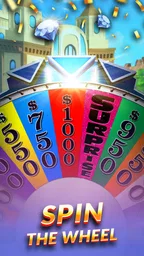
- Wheel spins add suspense to guessing the phrase.
- The game offers a solo option for casual play.
- Recognizable categories help guide your guesses.
What could be better
- Wheel spins can make outcomes feel luck-dependent.
- Repeated puzzle formats may become predictable over time.
- Ads may interrupt the flow of play.
- Some extras may require in-app purchases.
- A stable internet connection may be needed for certain features.







