



Toca Boca World review
 Analysis by Appsdrops
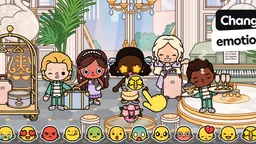
Toca Boca World is a playful educational game built around making up stories, customizing characters, and exploring a colorful world. Instead of pushing me toward a single goal or a prescribed route, it invites me to decide what happens next. That open-ended approach makes it easy to start casually and gives imaginative players room to return with fresh ideas.
Making a story your own
The basic rhythm is simple: create, customize, explore, and let one choice lead to another. I can treat a visit as a quick burst of pretend play or spend longer building a story around the characters and places I want to explore. The appeal is less about finishing a checklist and more about seeing what I can invent from the pieces in front of me.
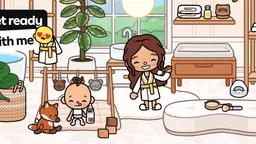
That makes creative play the game’s strongest feature. A character’s appearance can help suggest a personality, while a setting gives the story a place to unfold. From there, I can improvise: perhaps a character is preparing for an outing, meeting someone new, or simply going about an ordinary day. The game leaves those decisions to me, which is a refreshing fit for players who enjoy role-play more than rigid objectives.
For a first session, I recommend resisting the urge to explore everything at once. Pick a character, settle on a small idea, and follow it for a few minutes. A modest premise is often enough to make the world feel engaging. Once I know what I enjoy doing, it becomes easier to branch out and give the next visit a different theme.
A comfortable starting routine
My preferred baseline is to begin with one clear intention: customize, explore, or act out a scene. Keeping that focus helps prevent aimless tapping, especially when there are lots of things to look at. If I am customizing, I stay with that task until the character feels right; if I am telling a story, I choose a setting and give the scene time to develop.
It also helps to think in short story beats. I might introduce a character, give them something to do, and then decide how the situation changes. These are not formal missions or required steps; they are simple prompts I use to keep play moving. When the story reaches a natural pause, I can stop without feeling that I have left a level unfinished.
The game’s educational character comes through in how it encourages expression and decision-making. Players practice choosing details, imagining relationships, and arranging events into a sequence. I would not approach it as a lesson-driven classroom tool. Its value is more informal: it gives imagination a friendly space and lets the player decide what counts as an interesting outcome.
Settings and a smoother session
Before settling into a longer play session, I like to check the game’s available settings and make sure the experience feels comfortable for the person playing. This is a sensible habit with any family-friendly game, particularly when a child will be exploring independently. The game is rated for everyone, but adults may still want to look over the device and app-store controls that apply in their household.
There is another practical detail worth keeping in mind: the game is free to download and includes in-app purchases, with individual items listed from $0.49 to $199.99. I recommend reviewing purchase controls before handing over a device, rather than waiting until a child encounters an offer. That small bit of preparation makes expectations clearer and keeps the focus on creative play.
Because the game is built for open exploration, a little structure can make a session more satisfying. I might agree on a simple theme, such as inventing a character’s day, or suggest that the player tell me what is happening in the scene. This does not need to become a strict rule. It is simply a way to turn free play into a shared activity and encourage children to explain their choices.
The interface and the world are best approached at the player’s own pace. I avoid assuming that every object needs to be investigated immediately. Instead, I let curiosity guide the next move, then pause when the scene feels complete. This measured approach is especially useful for younger players, who may enjoy exploring more when they are not being hurried from one activity to another.
Repeatable patterns for returning players
Experienced players can make the game feel fresh by reusing a familiar routine while changing one creative choice. I might return to a character I already know, give them a different look, and imagine a new situation. The stable starting point saves time, while the changed detail gives the session a new direction. It is a simple habit, not a hidden shortcut, and it works because the storytelling is flexible.
Another useful pattern is to finish each visit with a small prompt for next time. Perhaps I leave myself wondering where a character is going, or what might happen after a scene ends. When I return, I have an easy way back into play instead of starting from a blank page. Players who enjoy sharing stories with family can use the same approach by taking turns deciding the next event.
I also find it helpful to separate exploration from storytelling. On one visit, I can simply look around and see what catches my attention; on another, I can use familiar settings as the backdrop for a focused scene. Switching between those modes prevents the game from feeling like a task. It also helps different kinds of players find their own rhythm, whether they prefer browsing, customizing, or improvising dialogue.
For children who like to narrate, asking open questions can extend a session without taking control away from them. “What is this character hoping for?” or “What happens after that?” gives them room to make the next decision. I prefer those prompts to telling them what they should do. The point is to support their imagination, not to turn a playful world into a set of adult instructions.
Where open-ended play has limits
The same freedom that makes the game appealing may not suit everyone. Players looking for a clear campaign, tightly defined missions, or a score to chase may find the experience less directed than they want. Here, progress is personal: a good session is one in which the player enjoyed inventing something, not necessarily one that ends with a formal achievement.
That openness can also lead to indecision. When there is no single correct next step, a player may bounce between ideas without developing any of them. My solution is to choose one small premise and stick with it for a little while. If it stops being fun, changing direction is fine; the routine is there to help, not to limit what can be imagined.
Parents should also consider the purchase setup before play begins. The free starting point makes the game easy to try, but optional purchases mean device safeguards and family expectations matter. I would explain those boundaries in plain language, then let the child focus on the creative side of the experience. That balance is more useful than treating every session as something that needs close direction.
As a long-running title, it has attracted a substantial audience: the game has passed 100 million installs, and its average rating is 4.4 from around 6.9 million ratings. Those figures suggest broad appeal, though the best test is still whether a particular player enjoys making up stories and exploring at their own pace.
Who will enjoy it most?
Toca Boca World is a strong fit for children and families who like pretend play, character customization, and stories that can change from one session to the next. It can also appeal to anyone who enjoys a relaxed creative game without needing to compete or master a complicated set of rules. The everyone content rating makes its intended audience broad, while the open format gives players plenty of choice over how they spend their time.
It may be a weaker match for someone who needs constant prompts or wants a clearly marked finish line. That is not a flaw so much as a defining design choice. The game asks players to bring their own ideas, and its enjoyment depends on how much they like doing that. A child who loves inventing characters may find that freedom delightful; a player who wants structured challenges may prefer a more goal-focused experience.
A verdict built on imagination
What I like most is that the game makes room for small, personal stories. A simple change to a character or a new scene can be enough to spark a fresh idea, and there is no pressure to turn every visit into a major adventure. Its educational value is woven into choosing, imagining, and narrating, rather than presented as a sequence of lessons.
The best way to get more from it is to build a repeatable, low-pressure habit: choose a starting idea, give it room to grow, and leave a gentle prompt for the next visit. Check purchase controls in advance, let the player guide the story, and use questions only when they help keep the imagination moving. Those routines make the experience easier to enjoy without pretending there are secret shortcuts or a hidden mastery system.
Overall, Toca Boca World succeeds as a welcoming creative game for players who enjoy making their own fun. Its greatest strength is freedom, and that is also the main thing to understand before downloading it: the world offers a stage, but the player supplies the story. If that sounds appealing, it is an easy game to pick up, explore, and revisit whenever a new idea comes along.
What we like
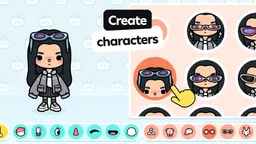
- Kids can create and customize characters with varied looks.
- Open-ended play encourages imaginative storytelling.
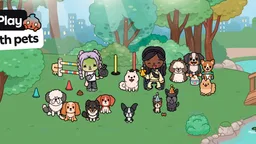
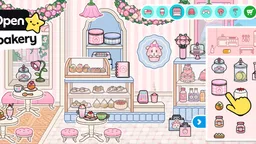
- Many locations let players explore different everyday scenarios.
- The interface is designed for young children to navigate.
- Regular content updates can add fresh places and activities.
What could be better
- Many locations and character options require separate purchases.
- The large download may take up substantial device storage.
- Some features require an internet connection to access.
- Young children may need help managing in-app purchases.
- Progress and purchases may not transfer easily between platforms.







