
Scrabble® GO – Fun with Words! review
 Analysis by Appsdrops
I like word games that leave room to think rather than demanding constant attention, and Scrabble® GO fits that relaxed, take-a-turn rhythm. It brings the familiar board-game challenge to a phone, with matches against other people and a more playful presentation than a plain digital board. The key question for me is not just whether it is enjoyable, but whether its interface and pace work for different people and everyday situations. My experience is that it can be welcoming when you want a flexible word puzzle, though its busy presentation and reliance on precise tile placement may not suit everyone.
Reading the board and finding your way around
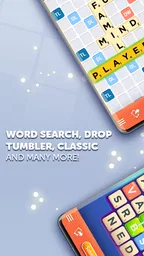
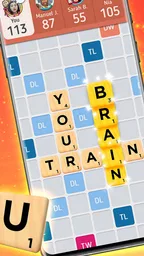
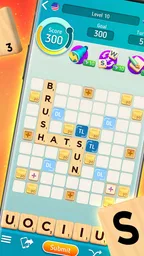
At its core, this is a word game built around placing letter tiles to make connected words and earn points. The appeal is familiar: I can scan the board, look for a useful opening, and weigh a modest play against a riskier move that might reach a bonus square. The rules are recognizable to anyone who has played Scrabble, so the learning curve is more about getting comfortable with the mobile interface and its surrounding options than understanding the basic idea.
The board itself asks for careful visual attention. I need to distinguish letters, remember the value of the spaces, and check how a new word connects with those already placed. That makes the game a good fit for someone who enjoys taking a moment to inspect a puzzle. It is less comfortable if you find small on-screen details tiring or have difficulty keeping track of a crowded board. A larger phone or tablet can make the play area easier to inspect, but the experience still depends on reading and comparing letters.
Scrabble® GO is made by Scopely and has a 4.6 average from around 605,000 ratings, with more than 10 million installs. Those figures suggest that the mobile version has found a large audience, but they do not tell me whether its presentation will feel calm or intuitive to a particular player. The practical test is whether you can quickly locate the board and focus on your move rather than getting distracted by the game’s broader interface.
The app is free to download, and its age rating is Everyone. Optional in-app purchases range from about fifty cents to just under three hundred dollars per item, so I would approach the purchase options deliberately, especially if a child uses the device. The game can be enjoyed as a word challenge without treating purchases as part of the basic appeal. I would check the purchase controls on the device before handing it over, rather than assuming that a free download means every interaction is purchase-free.
What the mobile format does well
The phone format is useful because a match does not have to occupy one uninterrupted block of time. I can make a move, put the device down, and return later when it suits me. That flexibility is a meaningful advantage over sitting down for a full tabletop game, especially when friends or family are not in the same room or cannot coordinate a shared evening. It also makes the game easier to fit into a quiet break than a word puzzle that expects a quick answer every few seconds.
There is a trade-off in that convenience. A physical board gives everyone the same clear view and lets players point at possible plays together. On a phone, the board belongs to the current player’s screen, so collaborative discussion is less natural unless people gather around the device. If you want a social word game for a group sitting at one table, a physical Scrabble set or another shared-screen-friendly activity may work better.
Touch, pace, and sensory comfort
Placing letters by touch gives the game a direct, tactile-feeling rhythm, but it also means accuracy matters. When I am thinking through a tight play, I want to move a tile without accidentally disturbing the board or losing track of where it belongs. People who have reduced fine-motor control, tremors, or discomfort with repeated small touch targets may find this part more demanding than the word puzzle itself. I would try a short session before settling in for a long match, and use the largest comfortable screen available.
The pace is one of its more inclusive qualities. Turn-based play does not ask me to react instantly, so I can take time to study the letters and plan. That can be a relief for players who dislike timers or rapid-fire competition. It is also useful for someone playing in short intervals: a commute, a lunch break, or a quiet moment at home. The caveat is that the interface still needs attention, and a crowded or distracting screen can make a supposedly relaxed game feel less restful.
For a realistic everyday example, I might start a match with a friend during a busy week and make a move while waiting for an appointment, then return after dinner to consider the next one. That pattern suits people who want an ongoing shared activity without arranging a fixed playtime. It does not suit someone who wants a definite beginning and end in a short session, or who prefers an offline puzzle that is always ready without coordinating with another player.
Because it is a visual, letter-based game, comfort depends on being able to read the tiles and distinguish the board’s layout. I would not assume that the familiar rules automatically make the screen accessible to every reader. If visual strain is a concern, try the board in the setting where you expect to play and see whether the letters remain comfortable to follow. If they do not, a large-print physical set or a word game designed around audio or more flexible display options may be a better choice.
Playing across different situations
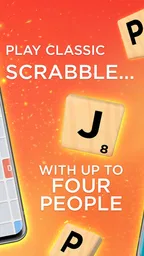
The multiplayer focus gives the game a personal reason to return: a match can feel less like solving an isolated puzzle and more like keeping up a friendly exchange. It is a good fit for relatives or friends who enjoy wordplay but live apart, and for people who like comparing strategies without needing to play simultaneously. I also think it can work well for a casual learner who wants to notice how words intersect and how board position changes the value of a play.
For a solo-minded player, the main question is whether the available ways to play feel satisfying without a regular opponent. The central experience is still built around making words on a shared board, so someone seeking a long sequence of self-contained crossword-style puzzles may prefer a dedicated crossword or anagram app. Likewise, if you want a quiet, minimal interface above all else, a simpler word game may be a better match than a full-featured mobile adaptation of a familiar board game.
Compared with a physical Scrabble game, the app’s strongest practical advantage is convenience: it keeps a match available even when players cannot meet and removes the need to set up tiles on a table. Compared with small single-player word puzzles, it offers a more strategic board where a good word depends on both vocabulary and placement. The downside of that richer format is more visual bookkeeping. I have to consider not only the letters I hold, but also how a move changes the board and what opportunities it leaves for the other player.
One useful habit is to pause before committing a word and inspect the squares it will touch. A play that looks attractive as a word may open a valuable spot for an opponent. That small double-check turns the game from simple vocabulary practice into positional thinking. Another helpful approach is to treat a match as a low-pressure exchange rather than a test of speed; the turn-based structure rewards considered choices more than hurried tapping.
Where the experience can create friction
There is a difference between an accessible pace and an accessible interface. Scrabble® GO gives players room to think between moves, but reading a board, selecting tiles, and navigating a mobile game still requires visual and motor effort. I would not recommend it as a first choice for someone who needs spoken prompts, hands-free play, or a particularly uncluttered screen unless they have tested it successfully on their own device. A conventional board may be easier for a group that can share a large playing surface and help one another with the layout.
The game’s broader presentation can also be a matter of taste. Players who come only for the classic board may want the surrounding mobile-game elements to stay out of the way. If you are easily distracted by busy screens, take a moment to see whether you can settle into the board without feeling pulled toward other parts of the experience. That is a more useful decision point than judging the app only by whether you already enjoy Scrabble’s rules.
Another limitation is that the app’s social strength depends on having someone you want to play with, or being comfortable with the multiplayer experience available to you. If your ideal word game is completely private and self-paced, the social framing may add little. If you like friendly competition but dislike waiting for another person’s turn, a solo word puzzle will give you more control over the session. Neither preference is wrong; they simply point to different kinds of games.
The current version is 1.115.1, and the game runs on Android 6.0 or later. That makes it an option for many older Android devices, though the actual comfort of play still depends on screen size, display clarity, and how smoothly your particular device handles it. The game was released on March 3, 2020, and its long-running presence makes it feel like an established mobile take on a classic rather than a short-lived novelty.
Who I would recommend it to
I would recommend it to people who like Scrabble’s mix of vocabulary and tactical placement, want to play with friends at a distance, and appreciate being able to take their turn when time allows. It is especially appealing if you enjoy noticing small strategic details, such as whether a word blocks a lane or creates a useful crossing opportunity. The app’s 68,000 reviews and broad player base offer a sense of how many people have engaged with it, but the best fit still comes down to whether the screen and pace feel comfortable to you.
I would steer away from it if your priority is a minimalist, distraction-free word puzzle; if tapping small tiles is difficult; or if you need an experience that works equally well without visual reading. I would also choose a physical set when the goal is to share a board in person, and a crossword or anagram game when I want a sequence of quick solo challenges. Those alternatives are not necessarily better overall, but they address different needs more directly.
A measured recommendation
For me, Scrabble® GO is at its best as a flexible way to keep a word-game match going with someone I know. Its slower, turn-based nature makes it easier to fit around real life than a timed contest, while the board gives each move enough consequence to stay interesting. Scopely’s version is free to start, but I would keep the purchase range in mind and set clear expectations if children are playing.
My recommendation is therefore enthusiastic but specific: try it if you want familiar word strategy in a portable, multiplayer format and can comfortably read and manipulate the board on your device. Give it a pass if screen clutter, precise touch interaction, or dependence on visual word recognition would turn a relaxing puzzle into work. For the right player, it is a handy way to turn spare minutes into a thoughtful match; for others, a physical board or a simpler solo word game will be the more comfortable choice.
What we like
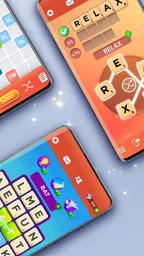
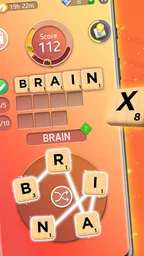
- Several game modes offer alternatives to classic Scrabble.
- Daily challenges provide a reason to return regularly.
- Built-in definitions can help settle word disputes.
- Players can connect with friends through social features.
- Colorful visuals make the board easy to follow.
What could be better
- Ads can interrupt play between rounds.
- Some features and content require in-app purchases.
- Matches may take a while when opponents play slowly.
- The interface can feel busy compared with classic Scrabble.
- A stable internet connection is needed for online matches.







