One Big Word: Zen review
 Analysis by Appsdrops
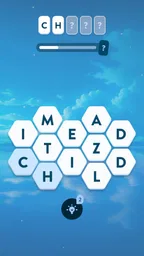
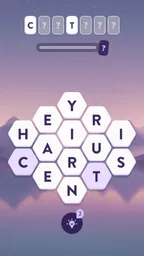
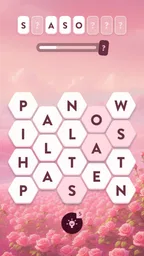
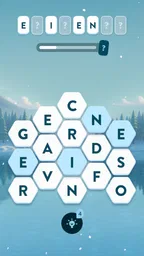
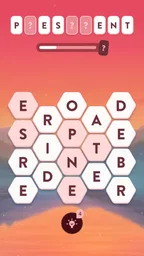
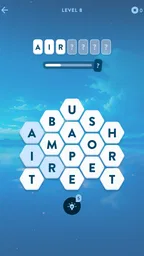
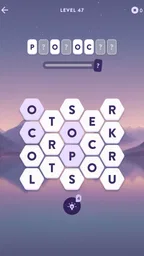
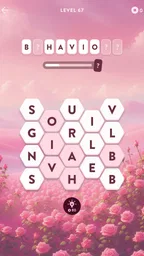
I like word games best when they give me one clear puzzle to turn over in my head, rather than a crowded board full of rules and distractions. One Big Word: Zen is built around that focused idea: each level asks you to uncover a larger word by finding smaller words. It is a simple premise, but it changes how I approach a puzzle. Instead of scanning for a single answer, I look for useful fragments and gradually work toward the level’s main target.
That makes this a good fit for short, quiet sessions. I can imagine opening it while waiting for a friend or taking a break, solving a few word puzzles, and putting it down without needing to remember a complicated story or long sequence of actions. Its appeal is not a vast collection of modes; it is the steady satisfaction of spotting a word that was hiding in plain sight.
One large answer gives each puzzle its shape
The central capability is the relationship between the small words and the larger word they lead to. That gives each level a natural sense of direction: I am not just trying words at random, but looking for discoveries that help bring the main answer within reach. The format rewards noticing familiar letter patterns and testing how a group of letters can be rearranged into meaningful words.
That focus is the game’s clearest strength. Many word games rely on a crossword-style grid, a timed scramble, or a stream of unrelated clues. Here, the promise of one bigger answer gives the smaller finds a purpose. It can make a basic word search feel more like a gradual reveal, especially when I have several plausible words in mind and need to decide which ones are worth trying.
The title’s “Zen” framing also suggests a relaxed mood, but I would judge the experience by the puzzle itself rather than assume every session will feel effortless. A word can be obvious once spotted and stubbornly invisible before that. The enjoyment comes from switching perspectives: if one arrangement is not working, I can stop staring at the same sequence and try to see different beginnings, endings, or familiar combinations.
Fugo Games is the developer, and the game is listed as free to play. It has an average rating of 4.8 from around three thousand ratings, with more than one hundred thousand installs. Those figures suggest that the compact word-puzzle idea has found an audience, though they cannot tell me whether every player will enjoy its particular style of challenge.
How I would approach a level
I would start by treating the smaller words as clues about the available letters, not merely as a checklist. When I find one, I would note which letters it uses and which remain available for other combinations. That small habit can prevent me from repeatedly circling the same familiar word while overlooking a less obvious one. It also helps me think about the larger answer without jumping to a guess too early.
A useful routine is to scan for short, common words first, then deliberately look for different word shapes. If I keep seeing the same opening letter, I would switch attention to possible endings or consonant pairings. This is not a special in-game tool; it is a practical way to get more out of the game’s core task. The bigger word can become easier to recognize once the smaller discoveries have nudged my attention toward its letter patterns.
Another helpful approach is to pause rather than force guesses. Word puzzles often create a feeling that the answer should be immediate, but staring harder is not always productive. I would take a short break, return, and read the letters in a new order. That works particularly well for a game designed around brief sessions: stepping away does not require me to keep a complicated game state in my head.
The format also makes it easy to share a puzzle informally. If I am stuck, I can describe the letters or ask someone nearby to look for a word, turning a solo puzzle into a quick conversation. I would not expect that to replace playing on my own, but it is a natural way to make a stubborn level less frustrating without needing a competitive mode or elaborate social setup.
A good fit for the gaps in an ordinary day
Picture a short wait at a café: I have a few minutes before meeting someone, but not enough time to settle into a long game. This is where the one-big-answer structure makes sense. I can focus on one puzzle, try a few word combinations, and stop when the appointment arrives. The task is self-contained enough to suit an interruption, rather than demanding a long stretch of uninterrupted attention.
It may also suit someone who enjoys wordplay but finds traditional crosswords too dependent on general knowledge or clue interpretation. Here, the challenge is centered on finding words from the material presented by the puzzle. That can make the mental work feel more immediate: I am testing language and letter patterns rather than needing to know a particular fact or remember a named person.
For a parent looking for a simple word activity to share with a child, the age rating is Everyone, and the basic idea is easy to explain. I would still choose a level together rather than assume every puzzle will be equally easy for every age or reading ability. The valuable part is the shared process of suggesting words and explaining why a combination might fit, not turning it into a test of speed.
The game is in the word category, and its modest format is part of the appeal for people who want a small mental reset. It is less suited to a commute where attention must stay on surroundings, or any situation where looking at a screen would be unsafe. A puzzle may be brief, but it still asks me to focus on letters; it is best saved for a place where I can give it that attention.
Where the simple format can feel limiting
The same focus that makes the game approachable can also narrow its appeal. If I want a wide variety of puzzle mechanics, layered progression, or a narrative that gives each session a different context, a single recurring word-finding structure may feel repetitive. The central loop depends on enjoying the act of searching for words and working toward a larger one. Players who tire quickly of that loop may be better served by a collection of different puzzle types.
There is also a difference between a calm presentation and a consistently easy puzzle. A level can still leave me stuck, and the game’s premise does not guarantee that every answer will come to mind naturally. If I prefer clear clues that explain why an answer is correct, a word-building puzzle may feel too open-ended. In that case, a crossword or clue-led word game would offer a more guided kind of challenge.
Free access lowers the barrier to trying it, but the game includes optional in-app purchases priced from $0.99 to $9.99 per item. I would keep that in mind if I am choosing a game for a child or trying to avoid spending. The presence of purchases does not change the basic appeal of the word puzzle, but it is sensible to review purchase settings on the device before handing it over.
The current version is 2.8.3, and it requires Android 8.0 or later. That gives Android users a straightforward compatibility check before installing. The game is also available to iOS players, but I would check the relevant app store on the device for its requirements rather than assume the Android minimum applies across platforms.
Who is likely to enjoy it most
I would recommend this to someone who likes the small satisfaction of finding a word and wants a puzzle that can fit into the edges of a day. It is especially appealing if you enjoy exploring letter combinations without needing a big theme, a long story, or a complicated rulebook. The one-large-answer idea gives a little direction to each search, while leaving the actual discovery to you.
It is less compelling for players who need frequent changes in pace or a strong sense of progression beyond solving word puzzles. If you prefer timed competition, detailed clues, or a different mechanic every few minutes, another word game may hold your attention longer. I would also skip it when I want a game that is primarily about reflexes, exploration, or social competition; this one asks for quiet concentration rather than quick reactions.
For a first try, I would approach each level without rushing to guess the main word. Find the smaller combinations, notice which letters keep appearing, and then return to the larger answer with fresh eyes. If I get stuck, I would pause instead of making repeated guesses, especially during a short break when the point is to relax rather than turn the puzzle into a chore.
Overall, One Big Word: Zen is appealing because its central idea is easy to understand yet gives me a reason to keep looking. It is free to start, rated for Everyone, and available on a broad enough scale to have attracted a sizeable audience. I would recommend it to word lovers who want focused, bite-sized puzzles and are happy to let one recurring mechanic carry the experience. If that sounds like your kind of downtime, it is worth trying; if you need variety or more explicit clues, a different style of word game will probably suit you better.
What we like
- The calm presentation makes the game feel relaxing.
- Word puzzles offer a satisfying mental challenge.
- Short rounds suit quick play sessions.
- The simple controls are easy to learn.
- Its focus on one word keeps puzzles clear and approachable.
What could be better
- Some puzzles may feel too easy for experienced word-game fans.
- The core gameplay can become repetitive over time.
- Progress may depend on guessing unfamiliar words.
- Hints can reduce the challenge of solving puzzles unaided.
- Players seeking a fast-paced game may find it too slow.







