
Zoom Earth - Weather Forecast review
 Analysis by Appsdrops
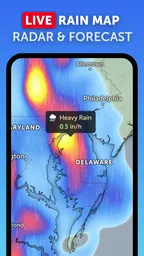
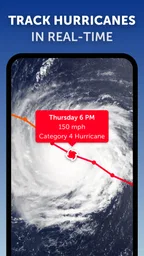
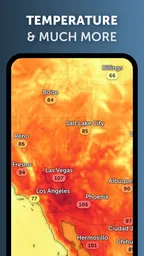
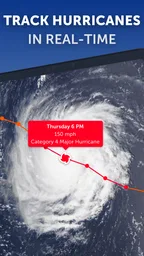
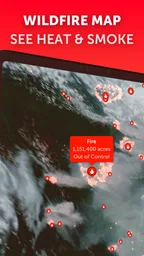
Weather apps are easy to try and just as easy to forget. The real test is whether checking one still feels useful after the first burst of curiosity has passed. Zoom Earth makes a strong first impression with its focus on hurricanes, rain radar, storm alerts and a live map. I like that clear, visual premise: instead of treating the forecast as a wall of numbers, it invites me to look at weather as it develops and decide what matters for my day.
A vivid first week, with a practical purpose
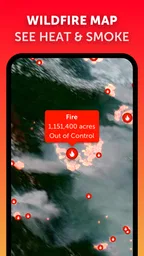
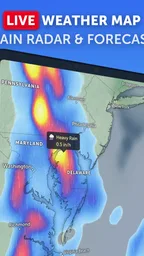
During the first few days, the live-map approach gives the app an immediate sense of appeal. Weather is easier to understand when I can see a system’s movement rather than simply read a short description of it. That is particularly compelling when a storm is approaching or rain may change plans. The store summary places hurricane tracking, rain radar and storm alerts at the center, so the experience has a more specific identity than a generic forecast app.
That focus also makes the app approachable. I don’t need to be a meteorology enthusiast to appreciate a map that helps me follow changing conditions. I can open it out of ordinary curiosity, then return when the weather becomes relevant to a commute, an outdoor plan or a developing storm. That shift from interesting visual to useful reference is what gives the first-week experience its potential staying power.
The app is free to download, and it is rated for Everyone. Its average rating is 4.8 from around 291,000 ratings, with about 1,300 written reviews. Those figures suggest that it has found a broad audience, but what matters more to me is whether the central idea remains useful once the novelty of exploring the map wears off. A polished weather display can earn an initial look; routine usefulness has to earn the space on a home screen.
Why the map can become a habit
Weather checking is naturally tied to recurring decisions. I might check conditions before leaving home, reconsider plans when rain appears likely, or follow a storm that has become more than a passing headline. A map-centered forecast can fit those moments because it gives me a quick visual frame for what is happening. The value isn’t simply that there is more to look at; it is that the information can feel easier to place in context.
For me, that makes Zoom Earth most appealing when weather is actively changing. A live map and radar-led presentation make a stronger case in unsettled conditions than on a day when I only want a quick glance at a basic forecast. That is not a weakness so much as a clear character: this is an app whose appeal grows when there is something unfolding in the sky.
The first-week question is therefore less “Is this interesting?” and more “Will I remember to open it when I need it?” The app’s storm-focused identity gives it a reason to return, especially for people who follow weather systems or want a visual way to keep an eye on rain. If a person’s weather needs are limited to a minimal daily glance, the map may feel like more attention than the routine calls for. If they enjoy tracking conditions, that same visual emphasis can make checking weather feel less like a chore.
What remains useful from month to month
Long-term value in a weather app comes from repeated small decisions rather than one dramatic moment. A storm alert or an interesting map view may make a memorable first impression, but it is the everyday usefulness that determines whether I keep an app installed. Zoom Earth has a sensible foundation for that: its subject is constantly changing, and its focus on rain, storms and hurricanes gives users a reason to revisit it when conditions shift.
That recurring value depends on how often the app’s strengths match someone’s life. People who regularly check radar, keep an eye on storm activity or like following weather visually are more likely to build a habit around it. Someone who rarely needs anything beyond a quick forecast may not open a feature-rich map as often. I see that as an important distinction, not a flaw. A useful app does not have to be everyone’s only weather tool; it has to serve its own audience well enough to justify returning.
Zoom Earth has more than five million installs, which gives it a substantial presence among weather apps. Its version 6.3.3 is listed for devices running Android 8.0 or later. Those details matter when deciding whether it fits a device and whether there is an established audience around it, but they don’t answer the central habit question on their own. For me, the answer comes down to whether the map helps with a decision I make repeatedly.
Routine use without turning weather into homework
A good weather habit should be light. I don’t want to feel that I must inspect every layer or study every movement just to know whether to carry an umbrella. The map-first approach is at its best when it supports a quick check, then offers more to explore if I want it. That balance can make the app useful both for casual users and for people who enjoy watching a system develop.
There is also a difference between an app that is engaging and one that is dependable as part of a routine. Visual detail can hold my attention, but the lasting test is whether I find the information relevant when I open it again next week. The app’s stated focus gives it an understandable role: a visual resource for radar, storms and weather events. That is a firmer reason to keep it than novelty alone.
People who follow severe weather may find month-to-month value in having a dedicated place to check the map and alerts. For more casual users, the value may come in bursts: a rainy stretch, a storm season or a week with outdoor plans. I think that is a perfectly reasonable pattern. An app can earn a place even if it is not opened every day, provided it remains useful when the conditions call for it.
Keeping the app in rotation
Maintenance burden is easy to overlook when reviewing a weather app. In practice, I judge it by whether the app demands constant attention or can simply sit ready until I need it. Zoom Earth’s basic premise does not require turning weather into a hobby: the user can choose to check in when conditions matter. That makes the potential commitment feel flexible rather than compulsory.
The version listed is 6.3.3, and the app was released on June 22, 2023. I would not treat a version number as a promise about future maintenance, but it does place the app within an ongoing software lifecycle rather than presenting it as a one-off novelty. The practical test for a user is simpler: does it remain a comfortable, useful part of their weather routine as time goes on?
There are optional in-app purchases, with items ranging from $1.99 to $11.99. The app itself is free, so trying its core appeal does not require an upfront purchase. I appreciate that separation when deciding whether a tool deserves a lasting spot: I can first judge whether the experience fits my habits, then consider optional purchases only if they seem worthwhile to me. I wouldn’t assume that every user needs to spend money to benefit from the app.
Where fatigue can set in
The same visual emphasis that makes the app distinctive can become tiring if I only want the shortest possible answer. A map encourages exploration, and exploration is not always what I need when I am rushing out the door. On some days, a compact forecast is enough. If I expect every weather check to be immediate and bare-bones, an app centered on a live map may feel like more than the moment requires.
There is a second potential source of fatigue: checking weather too often. Storm alerts and changing radar can tempt a user to reopen an app repeatedly, especially when a system is nearby. That may be useful when conditions are important, but less so when I find myself watching updates without making any different decision. The best long-term relationship with a weather app is one where the information supports plans rather than creating a new habit of constant monitoring.
That is why I would use Zoom Earth with a purpose. I’d open it when rain, a storm or a broader weather system could affect what I’m doing, then leave it alone when the information has stopped being useful. A visual tool can be compelling without needing to occupy every spare moment. Setting that expectation helps preserve the app’s value instead of allowing its most attention-grabbing aspect to become noise.
Who is most likely to keep using it?
I can see the strongest fit for people who enjoy seeing weather unfold, want a radar-oriented way to follow rain, or regularly pay attention to storms and hurricanes. For them, the app’s identity is easy to explain and easy to revisit. It has a clear purpose rather than trying to be a vague all-purpose destination for every kind of weather-related interest.
Casual users may still enjoy the app, especially when the weather turns unsettled, but they should consider what they actually check most often. If they mainly want a quick summary, they may not use a live map enough to build a daily habit. If they like visual context and return to radar when plans are uncertain, the app can become a convenient companion without demanding daily attention.
That flexibility is central to my view of its lasting appeal. Not every good app needs to be opened every morning. Sometimes it earns its place by being the one I remember when an approaching rain system matters. Zoom Earth’s recognizable focus gives it a fair chance of occupying that role for users who care about following weather rather than merely glancing at it.
Final verdict: a keeper for weather watchers
Zoom Earth makes a convincing case for itself when I want a visual, storm-aware way to check changing conditions. Its first-week appeal is easy to understand, but its stronger argument is the possibility of a useful recurring habit: open the map when weather may affect a plan, follow the situation, and move on. That approach gives the app practical value without requiring me to treat every forecast as an event.
It will not be equally compelling for everyone. People who only want the quickest possible daily forecast may prefer a simpler routine, while weather watchers are more likely to appreciate the map-led experience over time. I see the app as a focused tool, not a universal replacement for every weather habit. Its lasting place depends on whether radar, storm tracking and a live map are features a person genuinely returns to.
Overall, I’d recommend giving it a try if you want a more visual way to follow rain and storms. It is free to download, has a clear identity, and can remain useful long after the first look if changing weather is part of the decisions you make. My long-term verdict is that Zoom Earth earns its space best as an occasional, dependable weather companion: not something to check compulsively, but a practical app to reach for when the sky may change your plans.
What we like
- Satellite imagery makes storm systems easy to follow.
- Radar maps help show where precipitation is moving.
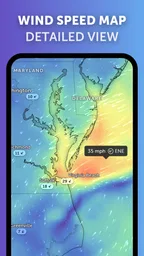
- The interface makes switching between map layers simple.
- Animated forecasts clarify how weather may change over time.
- Useful for checking conditions in locations around the world.
What could be better
- Some advanced features may require a paid subscription.
- Map imagery can take time to load on slower connections.
- Forecast details may vary in accuracy by location.
- Frequent map updates can use considerable mobile data.
- The amount of map information may feel overwhelming at first.





