Wander Weather review
 Analysis by Appsdrops
When I’m deciding whether to travel across town, take a day trip, or pack for a weekend away, the weather can change the plan more than the destination does. Wander Weather is built around that practical problem: using weather to help you think through a trip before you set off. I like the focus, because it gives a weather app a clear job beyond showing conditions where I happen to be standing.
It is a free weather app from Leapora Tech, rated for Everyone, and its central appeal is straightforward: make weather part of trip planning. That does not mean it can make a decision for you. I would treat it as a useful planning companion, then use my own judgement about timing, clothing, transport, and how much uncertainty I’m willing to accept.
Weather as part of the trip decision
Many weather apps are strongest when answering a simple question: what is it like here right now? That is useful, but it can leave a gap when the real question is whether a place you plan to visit will suit the activity you have in mind. Wander Weather’s travel-oriented approach puts that second question in the foreground.
That difference matters most when the weather is not an automatic deal-breaker. A cloudy forecast may be fine for a museum visit, but less appealing for a long walk with an exposed route. A chance of rain might simply mean carrying a jacket—or it might persuade me to move an outdoor plan to another day. The app’s value is in prompting those decisions early, rather than waiting until I’m already on the way.
I would not confuse a trip-planning focus with a guarantee that the forecast will settle every detail. Weather remains changeable, and a prediction is a guide rather than a promise. The useful habit is to check the conditions for the place and time relevant to the outing, then leave room to adjust if the weather shifts.
The app has an average rating of 3.9 from around 2.6 thousand ratings, with 74 written reviews. It has been installed over a million times. Those figures suggest that it has reached a sizeable audience, while the rating also gives me a reason to approach it as a practical tool to assess for myself, not as an automatic choice for every weather need.
Turning a forecast into a workable plan
For a useful weather check, I start by naming the decision I need to make. “Should I bring a rain layer?” is more actionable than browsing a forecast without a plan. For a trip, I’d think about the destination, how long I’ll be outside, whether I can change course easily, and what conditions would make the outing uncomfortable.
This is one of the more valuable ways to use a travel-focused weather app: check it while the plan is still flexible. If I’m considering an outdoor lunch, a hike, or a drive to a scenic stop, an early look gives me time to choose a different activity or adjust the departure. A last-minute glance can still help with what to wear, but it gives me fewer options.
I would also avoid treating one quick check as the whole planning process. For a casual local outing, a single look may be enough to decide whether to carry an umbrella. For a longer trip, I’d revisit the forecast closer to departure, because conditions can change and the decision may involve more than clothing. That repeat check is a sensible workflow, not a reason to over-monitor the app all day.
Another useful habit is to connect the forecast to the least flexible part of the itinerary. If the trip hinges on an outdoor event or a long stretch on foot, check that plan first. If weather makes it less attractive, consider whether there is an indoor alternative before leaving. This approach makes the forecast a planning input rather than a stream of information to watch without acting on it.
A realistic day-trip use
Imagine I’m planning to spend Saturday exploring a town on foot. The main reason for going is to walk through its centre and stop at a viewpoint, but I can also visit indoor attractions if the weather turns. I’d use Wander Weather while deciding whether to keep the viewpoint in the plan, what outer layer to bring, and whether it makes sense to start earlier.
If the conditions look uncomfortable for a long outdoor stretch, I don’t have to cancel the whole day. I can shorten the walk, put indoor stops in the middle, or leave the viewpoint as an optional stop. That is the kind of benefit I look for in a trip-focused weather app: not a dramatic forecast trick, but a better chance of making a plan that still works if the day isn’t perfect.
The same thinking applies to a family outing or a visit with friends. If other people are coming, it helps to settle expectations before everyone leaves home. I can suggest comfortable shoes, an extra layer, or a change of activity based on the forecast, rather than discovering too late that the plan assumes ideal conditions.
For a commute or a brief errand, the travel angle may matter less. I might only need a quick local forecast and a yes-or-no decision about an umbrella. In that case, a familiar general-purpose weather app could be just as convenient. Wander Weather makes more sense when I’m considering a destination or an outing, not merely checking the sky outside my door.
Where the travel focus helps—and where it does not
The clearest trade-off is that a specific planning focus can be helpful without making the app the best fit for every weather question. If my main concern is a quick glance at current local conditions, I may prefer whatever weather app I already open out of habit. If I’m thinking about a trip, Wander Weather’s purpose feels more relevant because it encourages me to connect conditions with a destination and an activity.
I would also keep the importance of the trip in mind. For a low-stakes afternoon plan, a forecast is usually enough to guide sensible choices. For an itinerary where changing the timing would be costly, I would not base the entire decision on one app or one check. I’d keep plans adaptable and confirm conditions again closer to the outing.
There is a similar limitation for people who want specialist detail. A travel-planning emphasis does not, by itself, make an app a substitute for a dedicated source when a particular activity depends on highly specific conditions. If I were making a serious outdoor decision, I’d want to know that the information available suits that activity rather than assuming that a general travel-weather tool covers every specialist need.
That distinction is not a knock against the app’s purpose. It is a reminder to match the tool to the consequence of being wrong. For a city visit, a casual walk, or a flexible day trip, the forecast can help me choose between options. For a plan with little room for error, I’d use more than a broad overview and avoid treating any forecast as certain.
Simple ways to get more from a weather check
I’d make each check answer a practical question. Before leaving, decide whether the forecast should change the route, the start time, the amount of time spent outdoors, or just what goes in a bag. That small step keeps the app useful instead of turning it into another screen I check without knowing what I’m looking for.
For a trip with several stops, think about the stop that would be hardest to rearrange. A flexible café visit can move around; a booked activity or a long outdoor walk may not. Checking the weather with that constraint in mind can reveal whether the rest of the day needs a backup plan.
It is also worth separating comfort from safety. A forecast that makes a picnic less pleasant is different from conditions that could make an outdoor activity unsafe. I would not use a general travel-planning app as a replacement for appropriate local guidance when safety is at stake. For ordinary choices—layers, timing, and whether to swap outdoor time for indoor plans—the app’s purpose is much more directly useful.
And if the forecast is uncertain, I’d plan for the easier adjustment rather than trying to predict the exact moment conditions will change. Carrying a light layer or keeping one indoor alternative in mind can make a trip resilient without forcing me to abandon it at the first sign of less-than-perfect weather.
Who is likely to appreciate it
Wander Weather is a good fit for people who regularly plan day trips, outdoor sightseeing, walks, or visits where the forecast can affect the shape of the day. It is especially useful if you tend to make plans around a destination and want weather to be part of that decision before you leave.
It may be less compelling if you only want the fastest possible glance at current local weather, or if you rely on specialist forecasts for demanding outdoor activities. Those users may be better served by a general weather app they already know or by a source tailored to the conditions their activity requires. I’d also skip it as a reason to expect certainty: its best role is helping you plan with the forecast, not promising a perfect trip.
The app is currently at version 1.1.6 and requires Android 7.0 or later. That makes the basic compatibility question easy for many Android users to check before installing. Since it is free, trying it as a second weather option is a low-commitment way to see whether its travel-first approach suits your routine.
My take after weighing its purpose
What I find most appealing is the way Wander Weather frames weather as a factor in choosing and shaping an outing. Its useful contribution is not that it can remove uncertainty; it is that it can help me notice a weather-related problem while I still have time to make a better plan.
I’d recommend giving it a try if you often wonder whether the forecast should change a trip, rather than merely whether you need an umbrella. Keep your plans flexible, check again as departure gets closer, and use the conditions to guide practical choices. If that is how you travel, Wander Weather has a clear reason to be on your phone. If you want only a fast local snapshot or need specialist guidance, another kind of weather tool may suit you better.
What we like
- Clear forecasts make upcoming weather easy to understand.
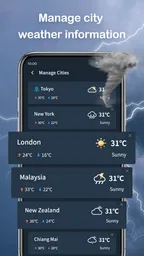
- Location search helps plan trips beyond your current area.
- Useful weather details support everyday outdoor planning.
- The interface keeps key forecast information easy to find.
- A handy option for checking conditions before heading out.
What could be better
- Forecast accuracy can vary by location and weather conditions.
- Some features may require an internet connection.
- Frequent forecast updates may use mobile data.
- Weather details may feel limited for advanced users.
- Availability of certain features may differ by region.





