

SmartyMe: Micro Learning App review
 Analysis by Appsdrops
I can see why SmartyMe would catch my attention during a first week: it brings short learning experiences together with playful subjects, rather than asking me to settle into a long course. Its mix of physics, finance, engineering, and communication practice also makes it feel different from a typical quiz app. The appeal is variety; the question that matters after the novelty wears off is whether that variety helps me build a lasting habit or merely gives me a few interesting sessions.
Why the first week feels approachable
SmartyMe: Micro Learning App is an education app from Apextech Ltd, presented as a free download for Android. It has a 4.5 average from around 77,000 ratings and more than a million installs, so it has found an audience beyond people looking for a conventional classroom-style course. The content rating is Everyone 10+, and the app’s current version is 2.52.0.
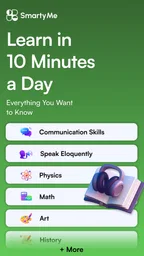
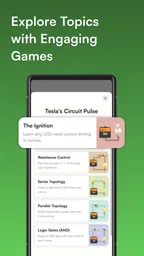
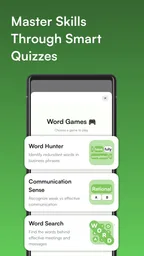
The most distinctive part of the concept is the blend of subjects and formats implied by its learning games. Physics, finance, and engineering can feel intimidating when introduced through dense explanations, while everyday communication is a skill many people want to practise without signing up for a formal class. Putting these areas under one roof gives me a low-pressure way to sample topics I might otherwise postpone.
In the first few sessions, that breadth can be a real advantage. I can approach the app with a small question—would I enjoy a quick finance exercise, or do I want to think through a physics problem?—instead of committing to a full course before knowing whether its style suits me. The game framing may make starting feel less like homework, particularly when I have only a short break.
A useful way to try it is to pick one practical reason for opening it each day. For example, I might use a spare moment before dinner to practise communication, then return another day for an engineering topic. That gives the app a purpose beyond browsing whatever looks entertaining. If I jump between every subject simply because each is new, I may enjoy the first week but have little sense of what I have actually learned.
Variety is a strength, but focus still matters
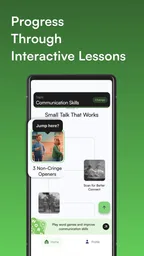
SmartyMe is most appealing to curious learners who like switching between practical and technical ideas. It could suit someone who wants a gentle entry point into a subject, or a learner who finds a single-topic course repetitive. The combination is also useful for people who want learning to fit around an ordinary day rather than become a separate, scheduled block.
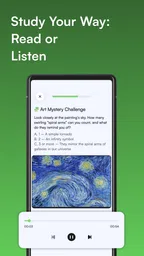
That same range can make progress harder to judge. A person studying for an exam, professional qualification, or specific engineering task generally needs a defined syllabus and a clear sequence of lessons. A collection of bite-sized games is better treated as a supplement or a way to explore, not as a substitute for structured instruction. I would decide what I hope to get from a session before opening the app, especially if I am using it to support a particular goal.
What keeps it useful after the novelty
Short-form learning earns a place in my routine when it is easy to return to and when each visit feels connected to the last. SmartyMe’s mixture of subjects gives me several reasons to come back, but variety alone does not guarantee retention. For month-to-month value, I would pay attention to whether I can explain an idea later or apply it in a conversation, rather than measuring success by how many activities I have sampled.
One practical workflow is to pair a session with a real-world moment. After a communication exercise, I could choose one idea to try in a low-stakes conversation that day. After a finance activity, I could connect the concept to a purchase or budgeting decision I already need to make. The point is not to assume the app covers every detail; it is to turn a short learning prompt into something I can test outside the screen.
A second helpful habit is to keep a narrow theme for several visits, even if the app offers other subjects. I might stay with finance for a few sessions, then switch to physics once I feel ready for a change. This helps me avoid the common microlearning trap of collecting fragments from many areas without building a coherent understanding. It also makes it easier to decide whether a topic is worth pursuing in a deeper course or book.
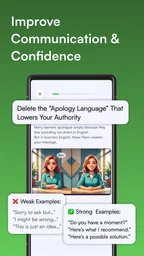
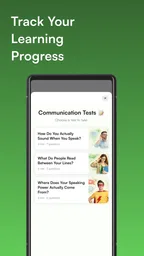
Communication practice has a different kind of value from a technical game. It can be most useful when I have a specific situation in mind—a meeting, a difficult conversation, or simply a desire to express an idea more clearly. I would use it as rehearsal, then reflect on what felt natural in real life. A game can prompt practice, but confidence still comes from applying the skill with actual people.
For a user who enjoys brief, varied learning, the free starting point lowers the barrier to trying this routine. The app also offers in-app purchases, with items ranging from $6.99 to $119.99. I would explore the free experience first and consider paying only if I have identified a repeated need that the paid option addresses. That is a better test of lasting value than upgrading during the excitement of a first session.
The maintenance burden is mostly about attention
There is no complicated setup implied by the app’s central idea, but a learning habit still needs a little maintenance. The main effort is choosing a topic, returning often enough to keep it fresh, and resisting the urge to treat every session as a standalone diversion. If I open SmartyMe without an intention, its variety could turn a useful break into aimless browsing.
I would keep the routine deliberately modest. One short session when I already have a natural pause—such as waiting for an appointment or taking a break between tasks—is more sustainable than promising myself a long daily study block. If I miss a day, I would simply pick up again rather than trying to compensate with a marathon session. Microlearning works best when the routine feels light enough to maintain.
Another maintenance tip is to turn a session into a quick personal note, even if it is only a sentence in my own words. Writing down the idea I want to remember helps distinguish a genuinely useful lesson from an entertaining activity I have already forgotten. It also gives me a simple way to notice whether the app is contributing to a goal over several weeks.
Compared with a video course, SmartyMe’s game-based approach sounds more inviting for short breaks, but it is less naturally suited to a long, uninterrupted explanation. Compared with a flashcard app, its subject range and communication angle are broader, while a dedicated flashcard tool may be better for memorising a fixed set of terms. And compared with a textbook or guided course, it offers a lighter entry point but should not be expected to provide the same depth or formal progression.
Where fatigue can set in
The biggest risk is that quick activities start to feel interchangeable. If I keep tapping through sessions without connecting them to a practical question, the novelty of the game format may fade before any knowledge sticks. The wide subject mix can also pull my attention in several directions; this is an app I would approach with a chosen focus rather than expecting it to organise every learning goal for me.
There is also a difference between practising and mastering. A short activity may help me become more comfortable with an idea, but it cannot automatically replace detailed study, hands-on engineering work, or advice tailored to a personal financial situation. I would not use a learning game as the sole basis for an important decision. For complex topics, I would treat it as an introduction and consult more thorough, appropriate resources.
The purchase range deserves a little restraint as well. The app is free to download, but optional purchases can reach a substantial price point. That does not make the app a poor choice; it does mean I would avoid spending simply because I have enjoyed the first few sessions. I would first establish that I return consistently, understand what additional value I am buying, and know that it matches the way I learn.
SmartyMe is not the right fit for someone who wants a rigorous, linear curriculum, detailed technical references, or a single-purpose tool for exam preparation. A dedicated course, textbook, or specialist app will usually be a stronger choice for those needs. It may also disappoint users who prefer quiet reading or extended explanations over game-like learning. Its appeal depends on wanting brief, varied practice rather than comprehensive instruction.
My long-term verdict
I think SmartyMe can earn a lasting place on a phone if I use it as a small, purposeful learning companion. Its blend of physics, finance, engineering, and communication practice gives it more variety than a narrow quiz app, and the free download makes it easy to see whether that style fits. The strongest use case is an everyday learner who wants to explore ideas in short bursts and is willing to connect those prompts to real situations.
Its long-term value will depend less on the novelty of the games and more on my own routine. I would choose one topic at a time, keep sessions tied to a practical question, and occasionally check what I can still recall or use. If the app becomes a reason to think more carefully about a conversation or a concept I encounter during the day, it is doing something worthwhile. If it becomes another stream of disconnected activities, I would move on without guilt.
With an Everyone 10+ rating and a broad educational focus, it is approachable for many learners, though younger users should still have an adult involved in decisions about purchases. My recommendation is measured: try the free experience if you like learning through short games and want several subjects in one place, but choose a structured course when you need depth, sequence, or formal preparation. Its best chance of lasting is as a small daily nudge, not a replacement for serious study.
What we like
- Bite-sized lessons fit easily into short breaks.
- A focused format makes it easier to explore new topics.
- Daily learning can help build a consistent study habit.
- Short sessions feel manageable for busy learners.
- The app offers an alternative to lengthy courses.
What could be better
- Brief lessons may not provide much depth.
- Learning value can vary across topics.
- Frequent reminders may feel distracting.
- Some learners may prefer longer guided courses.
- Micro lessons may not suit complex subjects.





