



Pawp: 24/7 Vet & Pet Care review
 Analysis by Appsdrops
I see Pawp: 24/7 Vet & Pet Care as a useful first stop when a pet owner needs calm, practical guidance but is unsure whether a problem calls for a clinic visit. Its central appeal is access to veterinary support through text or video, rather than a promise to replace in-person care. That distinction matters: the app is most valuable for helping you think through a concern and choose a sensible next step, not for treating every health problem from your phone.
Where remote veterinary guidance helps most
Made by Pawp, Inc., this free medical app is aimed at pet care, and its core idea is easy to understand: talk with a vet remotely when a question comes up. I like the format because not every concern arrives neatly during clinic hours. A pet may start acting differently in the evening, or you may notice a symptom and need help deciding whether to monitor it, arrange an appointment, or seek urgent care.
In that moment, a text conversation can be a less intimidating way to explain what you have noticed, while video can make it easier to show visible signs. Neither format guarantees a diagnosis, but they can help turn a vague worry into a more organized conversation. The practical benefit is not simply convenience; it is having a professional perspective before you make a decision based on a search result or a guess.
A realistic example is a dog that vomits once after an unusual snack but is otherwise behaving normally. I would use a remote consultation to describe when it happened, what the dog ate, and how the dog is acting now, then ask what changes would make the situation more urgent. If the animal appeared seriously unwell, had trouble breathing, or seemed to be in severe pain, I would not wait for an app conversation to substitute for emergency care. Remote guidance is a decision aid, not a reason to delay urgent treatment.
Text and video suit different kinds of questions
Text is handy when you need to lay out a timeline or keep track of instructions. Before starting, I would jot down when the symptom began, whether it has changed, and any recent food, medication, or routine changes. That small bit of preparation can make a short exchange more useful and reduce the chance of forgetting a detail once you are worried.
Video has a different strength: it can help a vet see what you are describing. It is still not the same as a physical examination, and a phone camera cannot reliably show every problem. Good lighting, a quiet spot, and having the pet nearby can make a call easier, but I would not force an anxious animal into a position just to get a better view. If the pet is distressed, safety and comfort come first.
The most useful role for remote vet support is helping you choose the next step, not replacing hands-on care. That is a realistic way to judge what this app can offer. A clear conversation may help you prepare for a clinic appointment, explain the issue more precisely, or recognize that the situation needs faster attention. It should not be treated as a guarantee that a problem can be handled remotely.
How it compares with searching or calling a clinic
Compared with searching symptoms online, a conversation with a veterinary professional can respond to the details you provide instead of presenting a long list of possibilities. Search results can be useful for general education, but they often make ordinary symptoms look alarming or encourage overconfidence from incomplete information. Pawp’s text-and-video approach offers a more personal route to clarification, though the quality of the guidance still depends on explaining the situation accurately.
Compared with calling a local clinic, remote support may be easier when you mainly need to discuss what you are seeing. A clinic remains the better choice when your pet needs an examination, diagnostic testing, treatment, or a relationship with a veterinarian who knows its medical history. I would use the app to supplement that care, especially for an initial question, rather than treating it as a replacement for an established veterinary practice.
The app has an average rating of 4.7 from around 6,400 ratings, alongside roughly 1,300 written reviews. That is encouraging as a sign that many users have found value in it, but ratings cannot tell you whether a particular case will be suitable for remote advice. A positive review may reflect reassurance or convenience; it does not mean every health concern can be resolved in a chat.
Limits worth keeping in mind
The biggest limitation is built into remote care: a vet cannot physically examine the animal through text or video. Some symptoms are difficult to describe, and a pet may hide discomfort or behave differently when the camera is on. If an answer depends on listening to the heart or lungs, checking a wound closely, running tests, or assessing the animal in person, a remote conversation has a natural ceiling.
There is also a human limitation. When people are worried, they may leave out the very detail that changes the picture, such as how long a symptom has been present or whether the pet has eaten something unusual. I would treat a consultation as a two-way exchange: describe what you know, mention what you are uncertain about, and ask what signs should prompt immediate in-person care. If the guidance seems unclear, asking a follow-up question is better than filling gaps with assumptions.
Another trade-off is that remote support may not be the right first choice for every owner. If your pet already has a complex condition and needs ongoing, coordinated treatment, its regular veterinarian is better positioned to follow changes over time. Likewise, if you already know your pet needs urgent attention, contacting an emergency clinic is more appropriate than spending time trying to sort it out through an app.
I would also avoid using a single remote conversation as a substitute for keeping a useful health record. Note the advice you receive, the time symptoms started, and any changes afterward. Those notes can help you explain the situation if you later visit a clinic. The app can support a decision, but you remain responsible for following through when the situation calls for an examination.
Who is most likely to benefit
I can see this being especially helpful for first-time pet owners, people who feel unsure about how serious a new symptom is, and anyone who wants a professional perspective before deciding what to do next. It may also suit someone who has a small question that is easier to explain in a message than to turn into a clinic visit. The value is strongest when the animal is stable and the owner needs guidance, not hands-on treatment.
For the best experience, I would keep a short note on my phone with the pet’s age, known conditions, medications, and the timeline of the current concern. I would also take a clear photo or video beforehand if the issue is visible and recording it does not upset the animal. These steps do not add features to the app; they simply make a text or video conversation more informative and help avoid relying on memory under stress.
Owners who prefer a single local veterinary team for every question may be happier contacting their usual clinic directly. The same goes for people who expect an app to provide a definite diagnosis or treatment without an examination. Pawp is better understood as an additional route to veterinary guidance, particularly when uncertainty is the main problem and the pet is not showing signs that demand immediate physical care.
Access and overall value
The app is free to download and carries an Everyone age rating. It has passed 100,000 installs, and it was released on June 28, 2022. Those details suggest that it has reached a substantial audience for a focused pet-care tool, but I would still judge it by fit: whether remote communication matches the question you need answered and whether you are comfortable acting on guidance while staying alert to worsening symptoms.
My overall view is positive but measured. Pawp makes a useful kind of support easier to reach, and the choice between text and video gives owners practical ways to explain a concern. Its strongest use is not dramatic rescue or a substitute for the vet who examines your pet; it is helping you move from worry to a more informed next step. I would recommend it as a convenient supplement for everyday questions, while keeping a local clinic or emergency service as the right choice whenever your pet needs hands-on assessment.
What we like
- Connects pet owners with veterinary professionals at any hour.
- Offers virtual consultations without requiring a clinic visit.
- Supports questions about both cats and dogs.
- Can help owners decide when an in-person visit is needed.
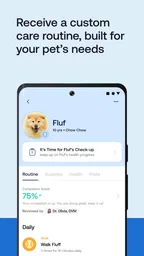
- Combines veterinary guidance with ongoing pet care resources.
What could be better
- A virtual consultation cannot replace a physical examination.
- Availability of specific services may depend on location.
- Some care needs may require a separate in-person appointment.
- Access to certain features may require a paid membership.
- A stable internet connection is needed for video consultations.





