

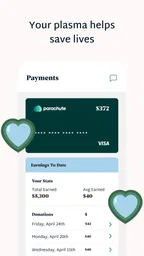
Parachute: Get Paid for Plasma review
 Analysis by Appsdrops
Parachute: Get Paid for Plasma has a clear, practical purpose: it helps people explore paid plasma donation rather than treating the process as a vague promise of easy cash. I see its main value in making the search for a donation center more manageable. That can be useful if you are already considering donating, but the app is not a substitute for checking eligibility, understanding the time commitment, or deciding whether donation suits your health and circumstances.
Turning a broad search into a practical next step
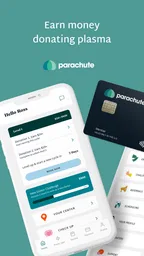
Parachute is a free medical app from Buoy Software, LLC. Its focus is narrow: connecting people interested in plasma donation with verified centers and presenting the opportunity to earn money. That specialization is a strength. Instead of searching across general maps, discussion posts, and center advertisements, a prospective donor can begin with a tool built around this particular task.
The app’s central appeal is not that it makes donating effortless; it is that it gives the search a more useful starting point. Finding a center is only one part of the decision. You still need to consider whether you are eligible, how often you would realistically go, how far you would travel, and whether the compensation makes sense for the time involved. I would treat Parachute as a discovery and planning aid, not as a guarantee of income or acceptance.
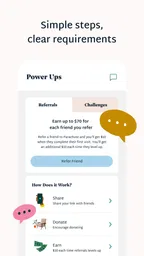
The store summary promotes earnings of up to $200 in three visits. That wording matters: it describes an upper-end possibility, not money every user should expect. Payment can depend on the center and its offer, while eligibility and successful completion of visits are separate questions. I would check the terms attached to a specific center before building a budget around any advertised amount.
The app has an average rating of 4.4 from around 1,600 ratings, with 725 written reviews and more than 100,000 installs. Those figures suggest that it has attracted a meaningful audience, but they do not tell me whether a particular center near you is convenient or whether your visit will go smoothly. For this kind of service, local usefulness matters more than a broad popularity signal.
What makes the idea useful in practice
Plasma donation can involve repeat visits, so the decision is more like taking on a recurring errand than collecting a one-time reward. A dedicated app is most helpful when it reduces the initial legwork: identifying a center worth investigating and giving you a place to begin comparing options. I would use it before setting aside time, then confirm practical details directly with the center.
One useful approach is to compare the full trip, not just the advertised payment. A center that is farther away may turn a promising offer into a poor trade once travel time and transport costs are included. I would note the likely journey, the center’s current terms, and any requirements I need to meet before making an appointment or planning a visit. That simple comparison can prevent an attractive headline figure from distorting the decision.
Another practical tip is to avoid treating the first result you consider as automatically best. A verified center is a sensible place to start, but verification does not mean it is the right fit for your schedule, location, or personal comfort. If several options are available, check each one’s current offer and visit expectations. I would also leave room for the possibility that an advertised promotion has conditions or may not apply to every donor.
For someone who is already curious about donating, this can make the first research session more focused. Rather than beginning with broad searches that mix medical explanations, advertisements, and anecdotes, you can approach the task with a clear question: which nearby center is worth contacting, and what should I confirm before going? That is a modest benefit, but it is more valuable than a flashy promise when the actual decision involves time and personal eligibility.
The limits behind the earnings pitch
The biggest limitation is built into the category: an app can help you find an opportunity, but it cannot make plasma donation suitable for everyone. Donor eligibility is determined through the center’s process, and a person should not assume that downloading the app or seeing an offer means they will be able to donate. If you have health concerns or are unsure whether donation is appropriate for you, a qualified health professional is a better source of guidance than an earnings-focused listing.
There is also a real difference between potential compensation and dependable income. A claim framed around several visits may sound attractive when money is tight, but it asks you to think about repeated travel and repeated time commitments. I would not rely on it to cover a bill with a fixed deadline. The app’s strongest role is helping you investigate an option, not serving as a financial plan.
Another friction point is that a center’s offer is only one part of the experience. You may need to check its current requirements, hours, appointment process, and any conditions attached to compensation before making the trip. Those details can change how convenient an option feels, and they are the sort of information a user should confirm at the point of contact rather than assume from a promotional summary.
There is a trade-off in using a specialized tool instead of a general search engine. Parachute is more directly relevant to plasma donation, while maps and ordinary web searches can make it easier to compare routes, opening hours, and other nearby services in one place. I would use the app to find promising donation options, then use a map and direct contact with the center to validate the journey and the practical details. Neither approach needs to replace the other.
The app is rated Mature 17+, so it is not aimed at younger users. Even for adults, the subject calls for a measured approach: money may be part of the motivation, but comfort with the process and a clear understanding of eligibility should come first. If the financial incentive is the only reason you are considering donation, I would pause long enough to weigh the time, travel, and personal implications rather than letting a headline amount make the decision for you.
A realistic way I would use it
Imagine you have a free afternoon and are considering whether plasma donation could fit into your routine. I would open the app to identify a verified center worth investigating, then check how long the trip would take and contact the center to confirm its current offer and what I need to bring or do. I would not head out solely because a general promotion sounds appealing. If the location is inconvenient or the terms do not suit me, I would move on rather than force the numbers to work.
If the first visit goes well and I decide to continue, I would reassess the routine after that initial experience. A nearby center and a manageable schedule might make repeat visits reasonable; a long commute or difficulty fitting visits around work could make the arrangement unattractive. This is a useful distinction because an offer based on multiple visits is only meaningful if those visits are realistic for you.
For someone who has never donated before, I would also separate the research stage from the health decision. The app can help with finding places, but it should not be treated as personal medical advice. Ask the center about its screening process and discuss individual health questions with an appropriate professional. That keeps the app in its proper role and avoids confusing a convenient search tool with a medical clearance.
Who should consider it
I would recommend Parachute to adults who are already open to plasma donation, want a focused way to discover verified centers, and are willing to check details before making a trip. It is particularly useful for someone comparing whether donation could fit into an existing schedule, rather than someone expecting a quick, guaranteed payout. People with limited transport options may still find the search helpful, but should pay close attention to distance and total travel time.
It is a weaker fit for anyone looking for general medical advice, a guaranteed amount of money, or a way to bypass a center’s screening. It is also not the right choice if you need cash immediately or cannot commit time to repeat visits. In those situations, the app’s central offer may not match the problem you are trying to solve, and a different source of support or a more direct conversation with a health professional may be more useful.
Parachute was released on January 15, 2021, and its current version is 120260921. It requires Android 7.0 or later. Those details help establish whether the Android app is compatible with a device, but they do not change the main consideration: the usefulness of the service depends heavily on whether there is a suitable center and offer within reach.
My verdict
Parachute is most convincing as a focused first step, not as a promise of easy earnings. I like that its purpose is specific and that it directs attention toward verified plasma donation centers. The main caution is equally important: eligibility, travel, time, and the exact terms of an offer determine whether donating is worthwhile for any one person.
If I were considering plasma donation, I would use Parachute: Get Paid for Plasma to narrow down where to look, then confirm the details with the center and make my decision without counting on the maximum advertised compensation. That balanced approach makes the app useful for the right audience. If you want guaranteed income, medical guidance, or a commitment-free way to earn, I would skip it; if you are an adult who genuinely wants to explore donation and can assess the practical trade-offs, it is a reasonable place to start.
What we like
- Donations can provide a steady source of extra income.
- The app can help users find nearby plasma donation centers.
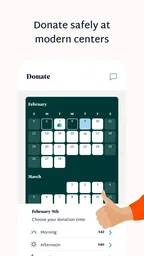
- Appointment details are easy to review in one place.
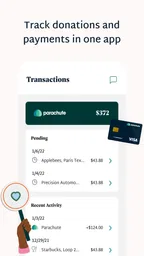
- Payment tracking helps donors monitor their rewards.
- The focus on plasma donation supports a useful health service.
What could be better
- Eligibility rules may prevent some users from donating.
- Center availability can vary by location.
- Donation appointments require time and travel.
- Payments and rewards may differ between centers.
- Frequent donations may cause temporary fatigue or bruising.





