
MyDevoted review
 Analysis by Appsdrops
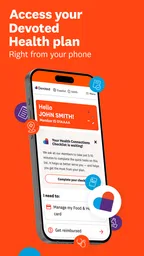
Health-plan paperwork tends to matter most at inconvenient moments: when I am trying to check a benefit before an appointment, or when a question comes up away from home. MyDevoted is a medical app from Devoted Health, Inc. aimed at people who want to manage their Devoted benefits from a phone rather than make every task part of a call or a paper folder. Its appeal is specific: it is a companion for Devoted members, not a general health tracker or a tool for comparing insurance plans.
I would consider it if I already had Devoted coverage and wanted a mobile place to handle benefit-related tasks. If I were not a Devoted member, its usefulness would be limited from the outset. That distinction is more important than the app’s polished-sounding promise: the value depends on whether its services match the plan and questions I actually have.
What to consider before relying on it
Before installing a health-plan app, I ask three practical questions: does it apply to my coverage, can it help with the tasks I routinely need, and will I still know where to turn when a situation is more complicated? MyDevoted makes most sense when the first answer is yes and the second matters often enough to justify keeping a dedicated app on my phone.
The app is free, carries an Everyone age rating, and has a 4.7 average from 404 ratings, with 148 written reviews. It has passed 100K+ installs. Those figures offer a useful snapshot of adoption and user sentiment, but they do not tell me whether a particular benefit or account issue will be straightforward. For that, the best test is whether the app supports the parts of Devoted membership I need to manage.
It was released on October 28, 2025, and its current version is 1.0.8. The stated minimum operating-system requirement is 7.0. I would check that my device can run it before making the app part of a time-sensitive routine, especially if I use an older phone. A health-benefit app is most useful when it is ready before I need it, not when I am already trying to solve a problem in a hurry.
One useful decision rule is to separate routine administration from care decisions. A member app can be a convenient place to manage benefits, but I would not treat it as a substitute for a clinician’s advice or assume that every medical question belongs in a benefits workflow. If I am deciding what treatment is right for me, I would contact a qualified healthcare professional; if I am trying to understand a plan-related task, MyDevoted is the more relevant place to start.
Where a dedicated Devoted app can help
The clearest advantage is having a single, member-focused starting point for Devoted benefits. Instead of relying only on saved documents, an email search, or a general notes app, I can keep the relevant plan-management experience close at hand. That is a modest convenience, but it can matter when a question comes up during an ordinary day and I do not have the patience to reconstruct the answer from several sources.
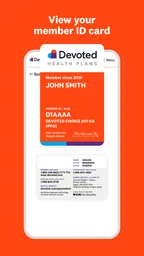
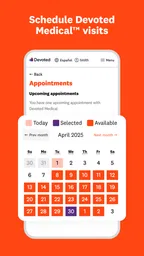
A realistic use case is preparing for a routine appointment. I might check the information available through the app before I leave, then keep it nearby if I need to revisit a benefit question afterward. The practical tip is to do that preparation while I have time and a stable connection, rather than waiting until I am in a waiting room. This also gives me a chance to spot an issue early and use the appropriate support route instead of assuming an app entry settles every detail.
Another good use is building a small pre-visit routine. I would open the app ahead of an appointment, review the plan information I need, and make a note of any question that still needs a direct answer. That approach avoids a common trap: treating a convenient digital screen as a guarantee that a service, provider, or expense is covered in every circumstance. For benefit questions, convenience is helpful; confirming the exact situation is still essential.
There is also a continuity benefit. When I use a dedicated app for recurring plan tasks, I am less likely to scatter information across paper notes, screenshots, and old messages. I would still keep important documents and relevant contact details somewhere accessible, but the app can serve as the first stop for Devoted-related administration. That is particularly useful for someone who handles their own benefits and wants to reduce the number of places they check.
The app is a better fit for members who are comfortable doing basic account tasks on a phone and who prefer self-service when it is available. If I already use a smartphone for appointments, messages, and everyday records, adding one focused benefits app is a natural extension. If I rarely use apps or find small-screen forms frustrating, the convenience may not outweigh the effort of learning another interface.
When another route may be better
MyDevoted should not be confused with a general medical record, symptom checker, or wellness tracker. Someone looking to record exercise, monitor a condition, or organize information from several providers may be better served by a dedicated health-tracking or patient-portal app. Those categories address different needs. A Devoted benefits app is most relevant to the relationship between a member and their plan, not to every part of personal healthcare.
For a complicated coverage question, direct support may be a better choice than trying to infer an answer from an app screen. That is not a criticism unique to MyDevoted: benefit decisions can depend on the specific service and circumstances. I would use the app to orient myself and identify what I need to ask, then contact Devoted through an appropriate support channel if the answer affects a significant decision or remains unclear.
Paper records and a folder of saved plan documents are also reasonable alternatives for someone who wants a low-tech reference or does not want another account-based app. They can be easier to review offline, though they may take more effort to keep organized. A general notes app can hold reminders, but it does not replace a member-specific service. The right choice depends on whether I value quick access to Devoted-related tasks more than keeping everything in one general-purpose system.
I would also skip it if I do not have Devoted coverage, or if my only goal is to compare insurance options before choosing a plan. A member-management app is not the same thing as an independent comparison guide. In those cases, a neutral source that explains plan choices or a direct conversation with a qualified benefits adviser is a better starting point.
Making the change without adding friction
Switching from informal habits to a dedicated app does not need to mean abandoning paper or phone support. I would install it, sign in when I have time, and explore the areas relevant to my membership before relying on it for an appointment or another deadline. I would also keep a fallback: the documents or contact information I would need if I could not access my phone. That simple preparation makes a mobile tool an addition to my routine rather than a single point of failure.
A useful trade-off to consider is whether I want a specialist tool or one place for everything. MyDevoted’s focus is an advantage if I want a Devoted-specific experience, but it also means I may still use other apps for provider communications, medication reminders, or personal health notes. I would not judge it by whether it replaces every healthcare tool on my phone. I would judge it by whether it makes the Devoted benefits side easier to manage.
Privacy-minded users should treat it like any account connected to health coverage: use a secure device, avoid leaving sensitive information visible on a shared phone, and sign out or protect the device when appropriate. Those are sensible habits for any health-plan app. They also help keep convenience from becoming carelessness, especially when a phone is used by more than one person.
If I were helping a family member get started, I would first confirm that the app is relevant to their own Devoted coverage, then guide them through the account setup and show them where they can begin with common benefit questions. I would avoid promising that it will solve every issue. A better expectation is that it can make routine plan management easier while leaving room for direct assistance when a situation needs clarification.
My recommendation for Devoted members
MyDevoted is worth considering if I am a Devoted member who wants a phone-based route to benefits management and is comfortable using a focused app for plan tasks. It is free, and its strong average rating suggests many users find value in it, though no rating can guarantee that every workflow will suit every member. I would try it as a practical companion, not as a replacement for professional medical advice, plan documents, or human support.
My recommendation is more cautious for anyone who expects a broad healthcare hub or wants one app to manage care across unrelated providers and plans. In that case, a patient portal, health organizer, or direct support channel may fit better, depending on the task. For the right audience, though, a dedicated Devoted app can reduce the friction of keeping benefits close at hand. I would install it before I need it, learn the parts relevant to my coverage, and keep a backup route for questions that require a clear, situation-specific answer.
What we like
- A focused space for sharing prayer requests and spiritual reflections.
- Private groups can help keep conversations within a trusted community.
- Simple features make it approachable for users with limited tech experience.
- Encourages regular connection with a faith community.
- Can support meaningful check-ins between in-person gatherings.
What could be better
- Its value depends on having friends or groups who use the app.
- Some features may require an account and personal information.
- Community activity may vary by group and location.
- Users may need to manage notifications to avoid interruptions.
- It may not suit people seeking a broad social networking experience.





