
FreeStyle Libre 3 – US review
 Analysis by Appsdrops
Managing diabetes often means keeping track of information throughout the day, then making sense of it when deciding what to do next. That routine can involve plenty of moving parts, so an app is most useful when it fits naturally into the care process rather than adding another chore. FreeStyle Libre 3 is Abbott Diabetes Care Inc.’s medical app associated with the FreeStyle Libre 3 system. Its purpose is to support users who are following that system, but the app is not a substitute for clinical advice or a complete diabetes-care plan.
From daily routine to a clearer picture
The first thing I’d keep in mind is that this app makes the most sense as part of a wider workflow. A person begins with their own diabetes-management routine and the FreeStyle Libre 3 system they use; the app then serves as a digital point of contact within that setup. It is not a general wellness tracker that happens to mention glucose. Its value depends on whether it matches the user’s equipment, care routine, and expectations.
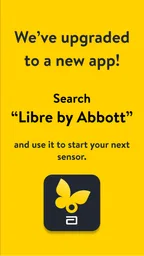
That distinction matters before downloading. Abbott’s store summary points people toward “Libre by Abbott” and says this is not the latest app. So, although the listing is titled FreeStyle Libre 3, I would check which Abbott app is currently intended for my system before installing or relying on it. This is a practical first handoff: the product name, the app currently offered, and the user’s own device setup all need to line up.
The app is free, and its content rating is Everyone. It has been available since May 27, 2022, and the listed version is 3.6.10, with Android 8.0 as the minimum operating-system requirement. Those details help set expectations about compatibility, but they do not replace checking the app store on the phone you plan to use. App availability and compatibility can vary by device and platform.
Getting started without assuming too much
For a health app, a smooth start is less about rushing through setup and more about confirming that the right app is being used for the right system. I would begin by checking the name and guidance in Abbott’s current app-store listing, then compare that with the equipment and instructions already part of my care routine. If the app and system do not match, the rest of the workflow can become confusing before it even starts.
Once that fit is clear, the app becomes one part of a sequence rather than the whole process. The user’s routine, the relevant Abbott system, the phone, and any conversations with a healthcare professional may all play a role. Thinking in those terms helps avoid expecting a phone app to make decisions on someone’s behalf. It can support day-to-day management, but personal treatment choices should remain grounded in the care plan established with a clinician.
I also appreciate that this is a focused medical product rather than an app trying to be everything at once. Diabetes care can already involve a lot of attention, and a dedicated tool is easier to evaluate when its role is clearly tied to a particular system. The trade-off is that this focus makes compatibility especially important: someone looking for a broad, stand-alone tracking app may not find this to be the right fit.
Following the day-to-day flow
In ordinary use, the app’s role sits between the user and the wider FreeStyle Libre 3 experience. The user brings the context: their routine, their system, and their care plan. The app is the digital component intended to accompany that setup. That is the basic input-to-outcome story, and it is why I would judge the app less as an isolated download and more as a tool within an ongoing process.
A useful workflow also has to make sense when the day gets busy. People may be checking in between other responsibilities, so clarity and consistency matter more than flashy presentation. I would want to know where the app fits in my daily routine, how it relates to the system I use, and what I should do when something is unclear. For health-related decisions, a calm, dependable habit is more valuable than treating an app as an authority on its own.
The handoff from app to person is just as important as the handoff from system to app. Information used in diabetes care may shape a conversation with a healthcare professional, but the app does not replace that relationship. If I were using it, I would keep the distinction clear: the app is part of the process, while a clinician helps interpret personal circumstances and guide treatment. That boundary is essential for using any medical app responsibly.
There is also a handoff between the app and the user’s broader routine. A digital tool only helps when people understand when it belongs in their day and how it relates to the rest of their care. If it feels disconnected from existing habits, even a well-known product can become another item to manage. Before making it a regular part of the routine, I would make sure its role is clear and that it aligns with the instructions for the system in use.
What the experience can—and cannot—mean
The hoped-for result is a more organized way to engage with the FreeStyle Libre 3 system through a phone. That can make the app relevant to people who already use the associated setup and want its digital component in their routine. It is not a promise that diabetes management becomes effortless, nor does installing an app by itself establish that a person has the right equipment or the right care plan.
That is where expectations need to stay grounded. A medical app can support a workflow, but users still have to make sense of their own care instructions and seek professional guidance when needed. I would not treat an app’s presence on a phone as a replacement for clinical judgment, and I would not make treatment decisions based only on assumptions about what an app is designed to do.
For someone already within the Abbott ecosystem, the main appeal is straightforward: a dedicated app associated with the FreeStyle Libre 3 system, available at no charge. For someone who is not using that system, the name alone is not a reason to install it. The best outcome comes from a match between the person’s setup, the current app guidance, and the role the app is meant to play.
Where the workflow can snag
The clearest friction point is the store summary’s warning that this is not the latest app and its direction to download “Libre by Abbott” instead. That makes the first step unusually important. A user who searches by product name may land on an older or otherwise non-current app and assume it is the right one. I would verify Abbott’s current recommendation before building a routine around this listing.
Another possible snag is assuming that every FreeStyle-related app serves the same purpose. Similar names can blur together, especially when someone is new to the product family. Taking a moment to match the app to the exact system and instructions can prevent avoidable confusion. In a medical context, that small check is not busywork; it is part of using the tool carefully.
Ratings also suggest that users have mixed experiences. The app has a 3.0 average from around 14,000 ratings, alongside roughly 9,900 written reviews and over 1 million installs. Those figures show that it has attracted a substantial audience, but they do not tell me whether it will suit a particular person or device. I would read recent feedback with the user’s own setup in mind rather than treating a single score as a verdict.
Finally, no app can remove the practical effort involved in ongoing diabetes care. People still need a routine that works for them, a clear understanding of the tools they use, and appropriate clinical support. If a digital step becomes confusing or does not appear to fit the system, the sensible response is to check the current Abbott guidance and consult the healthcare professional responsible for care, rather than guessing.
Who should consider it
I see FreeStyle Libre 3 as a product-specific medical app, not a universal recommendation for anyone managing diabetes. It is most relevant to people whose care routine already involves the associated FreeStyle Libre 3 system and who have confirmed that this is the app Abbott currently recommends for them. Users who are unsure should start with the current app-store guidance and their system instructions, not with assumptions based on a familiar name.
Abbott Diabetes Care Inc. is the developer, and the app sits in the medical category. Those details reinforce the kind of tool this is: a health-focused companion that belongs in a considered care routine. Its free price removes a purchase cost, but “free” does not mean that every user will find it suitable. Compatibility, clarity, and fit with the user’s existing setup matter more than the download price.
My overall take
As a concept, this app has a clear place in the workflow: it is intended to accompany the FreeStyle Libre 3 system and help connect a user’s day-to-day routine with Abbott’s digital tools. That focused role is its strength. The main complication is equally clear: the listing itself says it is not the latest app and points users toward Libre by Abbott, so choosing the correct current app should come before anything else.
My recommendation is cautious and practical. If you use the associated system, check Abbott’s current app-store guidance and confirm that the app matches your setup before making it part of your routine. Keep your clinician’s advice at the center of treatment decisions, and treat the app as one component of care rather than a replacement for professional support. With that approach, this medical app can be considered as part of a suitable FreeStyle Libre 3 workflow—but getting the right app for your system is the first, and most important, step.
What we like
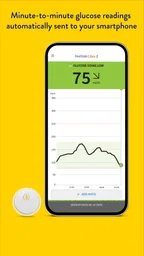
- Real-time glucose readings update automatically every minute.
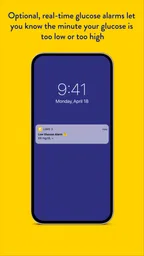
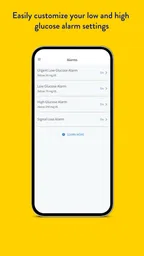
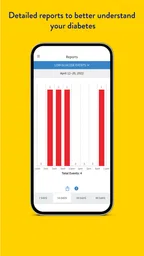
- Optional alarms can warn about high or low glucose levels.
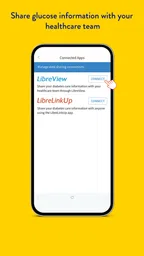
- The app can share glucose data with selected caregivers.
- A connected sensor can provide readings without routine fingersticks.
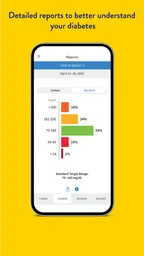
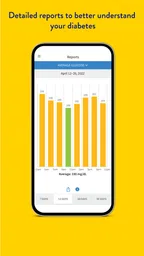
- Glucose history helps users review patterns over time.
What could be better
- A compatible smartphone is required to use the app.
- Sensor availability and features may vary by region.
- Bluetooth interruptions can temporarily delay readings.
- The app is intended for diabetes management with professional guidance.
- Some phones may not support the latest app version.





