


ASL Bloom - Sign Language review
 Analysis by Appsdrops
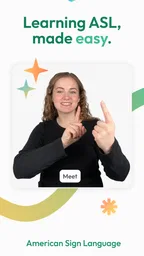
Learning a new language takes patience, and American Sign Language adds a visual dimension that makes the learning process feel different from studying vocabulary on a page. ASL Bloom is an education app focused on helping people learn ASL wherever and whenever it suits them. I like that straightforward aim: it makes the app easy to understand before you even begin, whether you’re curious about sign language or looking for a regular study companion.
Getting into ASL at your own pace
As an ASL learning app, ASL Bloom is built around a practical idea: make it possible to explore American Sign Language in everyday settings. That flexibility matters. You might want to fit in a short learning session during a quiet moment, or give the subject more attention when you have time to concentrate. The app’s central promise is accessibility of learning, not a complicated setup or an elaborate pitch.
My first impression is that the app’s appeal comes from having a clear subject and purpose. If you’re searching for an ASL learning app, it’s useful to find one that puts American Sign Language front and center rather than treating it as a side topic. ASL Bloom is focused on that goal, which gives prospective learners a simple place to start exploring sign language.
The name also communicates a welcoming tone. Learning a language can feel intimidating when you’re starting from scratch, but a friendly, approachable study habit is easier to maintain than a plan that demands a perfect schedule. I’d think of ASL Bloom as a tool to support curiosity and consistency: it gives you a way to return to ASL in the moments when you’re ready to learn.
What the learning experience asks of you
ASL is visual, so learning it calls for attention in a different way from reading a list of translated words. You need to look closely, take your time, and give yourself room to practice. That makes the setting important. A calm moment with enough attention to follow what you’re learning is likely to be more useful than trying to study while rushing between tasks.
The app’s promise to support learning anywhere and anytime is convenient, but it doesn’t mean every situation is equally suitable. If you’re surrounded by distractions, you may find it harder to focus on a visual lesson. I’d use short, intentional sessions when concentration is limited and save more demanding study for a quieter stretch. That’s a sensible way to make mobile learning work without expecting the app to replace your attention.
For beginners, the most helpful mindset is to treat each visit as part of a longer process rather than expecting instant fluency. Sign language involves learning to recognize and produce visual communication, and steady repetition is more realistic than trying to absorb everything at once. ASL Bloom’s anytime-learning approach fits that gradual rhythm well: you can return when it suits you and build a habit that feels manageable.
Speed expectations and everyday use
When people ask whether an app feels fast, they can mean several things: how quickly it opens, how easily they can move through a lesson, or how much progress they make in a short sitting. I wouldn’t confuse those questions. ASL Bloom’s value is that it gives learners a mobile route into ASL; the speed of your own progress will depend on practice, focus, and how regularly you come back.
For quick study moments, the idea of learning on the go is appealing. You don’t need to wait for a dedicated class time to make room for ASL in your day. At the same time, I’d avoid judging a language-learning app solely by how much material you can get through in a few minutes. Visual learning rewards careful observation, and rushing can make a session feel less productive even if you spent less time on it.
If you’re choosing an American Sign Language app because you want a convenient starting point, ASL Bloom’s broad, flexible premise is easy to appreciate. I’d approach it with a routine that matches your attention span: a brief check-in when you’re busy, then a more focused session when you can give the material your full attention. That balance is more useful than chasing speed for its own sake.
Busy moments and heavier use
Some days you may open the app for a quick look; on others, you may want to spend longer exploring ASL. Those are different kinds of use, and the best choice is the one that keeps learning comfortable. If you have only a short window, set a modest goal and avoid turning the session into a race. When you have more time, you can give the subject the concentration it deserves.
I also think it helps to separate a busy day from a failed study day. A small amount of attentive practice can keep your interest alive, while a longer session can be reserved for when you’re not multitasking. Because ASL learning relies on visual attention, trying to study while handling several other things can make it harder to retain what you’ve just seen. A quiet pause is often a better use of the app than a distracted stretch of screen time.
For people who plan to use ASL Bloom regularly, consistency matters more than intensity. Returning to a learning tool as part of a realistic routine is easier to sustain than setting ambitious targets that don’t fit your schedule. I’d treat the app as a companion for ongoing exploration, not as a promise that a certain amount of time will produce a specific level of skill.
Reliability and the learning routine
Reliability in a learning app is about more than a single session. It’s also about whether the product has an established audience and whether you can make it part of a routine. ASL Bloom has a 4.8 average rating from around eighteen thousand ratings, and it has passed five hundred thousand installs. Those figures suggest that many people have chosen to give it a try, though your own experience will naturally depend on what you want from an ASL resource.
The app has been available since June 30, 2022, and its current version is 1.36.90. I see that history as useful context for anyone considering a learning app they hope to revisit, rather than a guarantee about how it will perform on every device or in every situation. What matters most is whether its approach fits your learning style and whether you find it easy to return to when you’re ready to study.
With around three thousand written reviews, ASL Bloom has also prompted a substantial amount of user feedback. Ratings and reviews can help set expectations, but I wouldn’t treat them as a substitute for your own priorities. Think about what you need from an ASL study app: a convenient way to begin, a subject you genuinely want to explore, and a learning experience that fits the time you can give it.
Device considerations and cost
ASL Bloom is listed for devices running Android 7.0 or later, so it’s worth checking your device’s operating system before deciding whether it’s a fit. That minimum requirement is helpful to know, especially if you’re using an older phone or tablet. As with any mobile app, performance can vary with the device and its overall condition, so I wouldn’t assume that every setup will feel exactly the same.
The app is free to download, with in-app purchases ranging from $4.99 to $119.99 per item. That gives you a way to begin without paying an upfront download price, while making it sensible to review any purchase choices before committing. I’d start by seeing whether the learning approach suits you, then consider any paid options in light of how you actually use the app and what you’re looking for.
Its content rating is Everyone, which makes the intended audience broad. That doesn’t mean every learner has identical needs, of course. A first-time student, someone refreshing existing knowledge, and a person exploring ASL out of personal interest may all bring different expectations. The useful question is whether the app’s focus and format feel like a comfortable match for your goals.
Who may enjoy ASL Bloom
I can see ASL Bloom appealing to people who are curious about American Sign Language and want a convenient way to begin learning. It also makes sense for anyone who prefers having a mobile study option they can return to at a time that works for them. The flexible premise is particularly attractive if a fixed class schedule is not what you’re looking for right now.
It may be less satisfying for someone who expects a phone app to do all the work. Learning a visual language still asks for attention, patience, and practice. You’ll get more from any study session if you’re willing to slow down and engage with what you’re learning. That’s not a flaw in ASL Bloom; it’s simply the nature of building a new communication skill.
Before installing, I’d ask yourself what you want from the experience. If your aim is to explore ASL at your own pace, the app’s focus is appealing. If you need a particular learning structure or have very specific study requirements, take time to consider whether its approach fits those needs. A good match is more important than downloading every language app that catches your eye.
My performance verdict
On performance, my expectations are measured. ASL Bloom presents a clear, portable way to learn American Sign Language, but the most meaningful measure is whether it supports focused, repeatable study for you. I’d use it in a quiet moment, avoid multitasking through visual material, and keep sessions realistic. Those habits make it easier to judge the learning experience on its own terms instead of expecting instant results.
The app’s established audience, broad availability, and free download make it an approachable option to consider. Its 4.8 average rating is encouraging, while the presence of in-app purchases means it’s sensible to pay attention to any optional spending. The important thing is to decide based on your own learning goals rather than assuming that popularity alone guarantees a perfect fit.
Overall, ASL Bloom looks like a straightforward choice for anyone who wants to explore American Sign Language learning on a flexible schedule. I like the emphasis on learning wherever and whenever you can make time for it, provided you remember that meaningful progress takes concentration and regular practice. If you’re ready to give ASL steady attention and want a mobile starting point, ASL Bloom is worth considering as part of your learning routine.
What we like
- Short lessons make it easy to practice in small time slots.
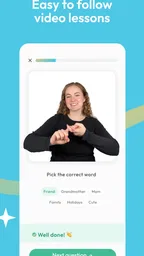
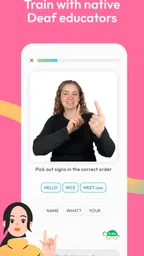
- Visual demonstrations help clarify how signs are formed.
- Useful for beginners learning everyday ASL vocabulary.
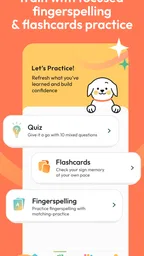
- Progress tracking can help learners stay motivated.
- A focused interface keeps attention on the lesson.
What could be better
- Screen-based lessons cannot provide feedback on signing accuracy.
- Facial expressions and body language may receive limited attention.
- Some content may require an internet connection.
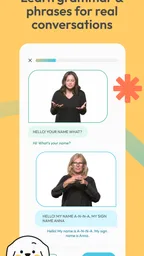
- Learners may need additional resources for grammar and conversation.
- App features or lesson access may vary by device or version.





