

Affect: Addiction Recovery review
 Analysis by Appsdrops
I look at a recovery app differently from a typical wellness download: it has to be useful at the moments when attention is thin, emotions are high, and getting help can feel difficult. Affect: Addiction Recovery is a medical app from Affect Therapeutics focused on alcohol and drug addiction treatment. Its central appeal is bringing a structured treatment experience onto a phone, but that also means the practical details of using it—especially reliable connectivity and a routine that fits real life—matter a great deal.
I would consider it for someone who wants treatment support in an app-based format and is ready to engage with recovery work, rather than simply collect general advice. It is free, has a 4.6 average from around 4,100 ratings, and has passed 500,000 installs. Those figures suggest that it has reached a substantial audience, though popularity alone cannot tell you whether its approach suits your needs. The app is rated for mature users aged 17 and older, and I would treat that as a reminder that its subject matter is serious and personal.
What the app’s treatment approach means in everyday use
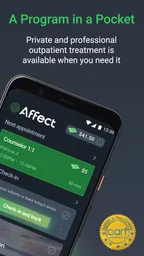
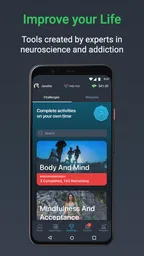
The main distinction between Affect and a broad meditation or habit-tracking app is its specific focus on addiction treatment. It is not merely a place to mark a sober day or read a motivational note. I would approach it as a program that asks for attention and participation, with the phone serving as the access point to treatment rather than as a substitute for every kind of care.
That difference matters when choosing an app. A general wellness tool may be easier to dip into casually, but it can lack the addiction-specific framing that makes a person feel the material is relevant. Conversely, someone looking only for a private sobriety counter, a peer discussion space, or a quick craving distraction may find a treatment program more involved than they want. The right choice depends less on how polished an app feels and more on whether you are willing to use its treatment structure consistently.
I find the app’s strongest potential use case is adding a reachable point of contact to a recovery routine. For example, if a person has a quiet moment after work before heading home, opening a treatment app then may be more realistic than trying to remember to seek support later, when the evening is already stressful. That is a practical advantage of having treatment access on a phone: it can fit into the day’s gaps. It is not a guarantee that a difficult moment will be resolved by opening an app, and I would not treat it as emergency care.
In its current version, 5.14.0, the experience belongs to a product that has been maintained since its release on October 12, 2021. I mention that because recovery tools are not one-time reads; people may return to them repeatedly, and an app’s ongoing development can matter to that continuing experience. Still, the version number itself does not tell me how a specific treatment plan is delivered, so I would judge the program by whether its actual content and support arrangements fit my needs after opening it.
Where connectivity can shape the experience
A phone-based treatment program is only convenient if the person can reach the parts they need when they intend to use them. I would therefore plan around having a dependable connection for sessions or other app activity that needs the network, rather than assuming the whole experience is available offline. Before relying on it during a commute, a break in a building with poor reception, or travel, I would check what loads under those conditions and what requires access to the internet.
This is more than a technical footnote. A recovery routine can be sensitive to timing. If you have set aside a short window for treatment work, a weak connection can turn that time into troubleshooting, which is frustrating and may make it easier to abandon the session. My practical tip is to open the app when you have a stable connection and enough time to finish the task you intend to do, instead of waiting until you are already under pressure.
Connectivity also affects where I would use the app. At home, on a familiar network, it may be easier to give treatment material focused attention. In public, a screen can feel exposed, and network quality can be unpredictable. If privacy matters to you, choose a place where you can concentrate and feel comfortable using a medical app, rather than assuming a phone makes every setting private. Headphones or a quieter location may help with focus if the app’s content calls for it, but I would not assume particular audio tools or session formats without seeing them in the app.
For someone with limited data or an unreliable connection, I would be cautious about building the entire recovery plan around one mobile app. Check how much of your regular use depends on being online, and consider arranging other forms of support that remain accessible in your circumstances. That might mean discussing a backup plan with a clinician or trusted support person, not because the app is necessarily unreliable, but because a phone connection should not be the only route to help during a difficult period.
Using it across the day without making recovery another burden
Mobile access can make it easier to attach treatment work to an existing routine. I would pick a repeatable moment—perhaps a lunch break or a calm part of the evening—and protect that time from interruptions. The useful insight here is to make the app a planned step, not an app you expect yourself to remember in the middle of a craving. A small, predictable routine is often more workable than relying on motivation to appear at exactly the right time.
At the same time, the phone is full of interruptions. Notifications from messages, work, and entertainment can compete with material that deserves attention. I would silence distractions for a session and avoid switching between recovery work and unrelated scrolling. This is not a claim about a special focus mode inside Affect; it is a simple way to make a phone-based treatment activity feel less fragmented.
A realistic scenario might be someone who finishes a shift and usually has an unstructured stretch before dinner. They could use that transition to check in with the treatment program while they are still in a private, stable setting, then move on with the evening. If the person instead waits until they are out with friends or dealing with a stressful situation, the app may be harder to use attentively. Planning the moment in advance is a more dependable strategy than expecting the app to solve the context around it.
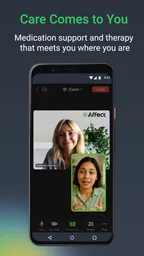
I would also distinguish between convenience and immediacy. An app can put treatment within reach, but a person may need human help, medical care, or a different level of support that a mobile program cannot replace. If a user is looking for continuous supervision or a live response at any hour, they should confirm that the service offers the kind of contact they need before relying on it. The app is best considered one part of a recovery plan, not proof that every need can be handled through a screen.
What to do when a session is interrupted
With any connected app, a dropped signal, a phone call, or an unexpected interruption can break concentration. I would avoid assuming that unfinished work has been saved or that the app will resume at the exact same point. If something matters to you, take a moment to see where you left off the next time you open it, rather than repeating a session blindly or assuming it was completed.
A useful habit is to begin treatment work when your phone is charged and your connection is steady, especially if you have a limited window. If an interruption happens, pause and return when you can pay attention instead of trying to rush through just to tick a box. That trade-off is important: consistency helps, but forcing a distracted session may be less useful than taking a short break and coming back with focus.
I would also keep a backup route in mind for moments when the app cannot be reached. That could be a clinician, a trusted person, or another support option already agreed upon as part of a recovery plan. This is not a criticism unique to Affect; any digital treatment tool depends on a working device and the person’s ability to use it. But it is especially important in addiction recovery, where a technical failure should not leave someone unsure about what to do next.
For those returning after a missed day or interrupted routine, I would avoid treating a gap as a reason to quit. The practical question is what makes the next use easier: a different time, a more reliable connection, fewer distractions, or support from someone who knows the plan. The app can be part of that adjustment, but a person’s recovery is not reducible to a streak or a perfect record.
Privacy, data use, and choosing a comfortable setting
Because this is a medical app dealing with addiction, I would think carefully about where I use it and who can see my screen. A shared device, a crowded room, or a lock-screen preview can create discomfort even when the app itself is working as intended. I would review the phone’s notification settings and use a device passcode if privacy is important, while checking the app’s own information for how it handles account and health details before entering anything sensitive.
Data-conscious use also means being deliberate about mobile connectivity. If you are concerned about cellular data, try using the app on a trusted Wi-Fi connection when convenient, and monitor your phone’s normal data controls. I would not assume that all content is downloaded in advance or that every action uses the same amount of data. The useful point is to notice how your own use behaves before making it part of a routine that depends on limited data.
There is a balance here. Keeping a treatment app close at hand may lower the effort needed to engage, while hiding it or avoiding the phone altogether may make access less convenient. Each person has a different privacy situation. I would choose settings and a place of use that make it possible to participate without feeling watched, and I would ask for help understanding privacy practices if that is a deciding concern.
Who I would recommend it to—and who may prefer another route
I would recommend exploring Affect to adults and older teens seeking addiction-focused treatment through a mobile program, particularly if they value being able to work with treatment material as part of a daily routine. The developer, Affect Therapeutics, is focused on this area, and the app’s medical category makes its purpose clearer than a broad lifestyle tracker. It is free to download, which lowers the cost of trying it, but that does not by itself establish what services or treatment arrangements are included, so I would check those details before making a plan around it.
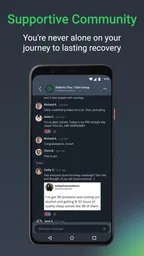
It may be a poor fit for someone who does not want app-based treatment, has little reliable internet access, or needs regular in-person care and immediate human contact. It may also not suit someone who wants only peer conversation or a simple private log. In those cases, a clinician, an in-person program, a support group, or a more narrowly focused tracking tool could be a better match. I would not choose Affect just because it is available on a phone; I would choose it if the treatment format feels workable and the level of support meets the person’s needs.
The app’s 1.4 thousand reviews and broad user base offer some reassurance that people are engaging with it, but individual experiences with recovery tools vary widely. I would use ratings as a starting point, not as a promise of results. A treatment app can support effort; it cannot make the decision to seek help or guarantee that one approach will work for everyone.
My connectivity verdict
My overall view is that Affect: Addiction Recovery is worth considering when a person wants addiction-specific treatment in a phone-based format and can give it a stable place in the day. Its greatest practical strength is accessibility: a treatment resource can be close at hand without requiring a separate appointment for every moment of engagement. Its main connectivity trade-off is that mobile access is not the same as dependable access everywhere, so I would test the experience in the settings where I actually expect to use it and keep another support route available.
I would approach it with realistic expectations: treat the app as a structured part of recovery, not as a replacement for clinical judgment, emergency help, or human support when those are needed. If its approach fits you, set a regular time, reduce interruptions, and plan for weak-signal moments before they happen. If you need a service that works independently of your phone connection or offers a different kind of care, another option may serve you better. For someone comfortable with app-based treatment and mindful about connectivity, it is a sensible place to explore a more organized recovery routine.
What we like
- Offers a focused space for people working through addiction recovery.
- May help users reflect on their progress and recovery goals.
- Can be used privately at a time that suits the user.
- Could complement conversations with a therapist or support group.
- A mobile format makes recovery resources easier to revisit.
What could be better
- It cannot replace professional treatment or crisis support.
- Recovery content may not fit every person's circumstances.
- Using the app requires access to a compatible smartphone.
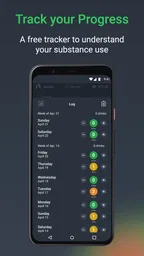
- Personal progress tracking may feel discouraging during setbacks.
- Some features or resources may depend on internet access.





