


Wool Crush™ review
 Analysis by Appsdrops
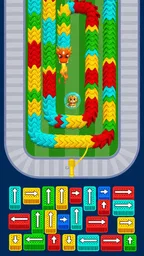
I find the clearest way to understand Wool Crush™ is to focus on its color-sorting puzzle: the appeal comes from organizing wool while thinking a few moves ahead, rather than from a complicated set of rules. The game also frames that puzzle around traffic-jam challenges and cats in danger, giving the sorting a light rescue theme. It is a free puzzle game from Astrasen Global, rated for Everyone, and it suits short sessions when I want something more thoughtful than a reflex test.
Color sorting is the main attraction
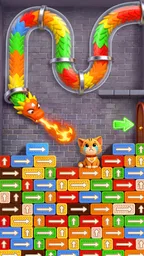
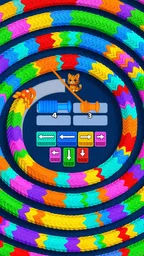
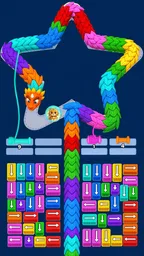
The basic pleasure is making order out of a crowded situation. Wool of different colors has to be sorted, and each choice affects what remains available for the next one. That makes the puzzle feel less like a simple color-matching exercise and more like a small planning problem: I need to notice which colors are accessible, avoid boxing myself into an awkward position, and decide when a move is worth making.
That distinction matters if you are choosing between this and a typical match-three game. Match-three puzzles often reward quick pattern recognition and clearing groups. Here, the more interesting question is whether a move helps the whole arrangement become manageable. I would approach a level by scanning the colors first, then making deliberate moves instead of tapping the first appealing option. A little patience can prevent the satisfying start from turning into a cluttered endgame.
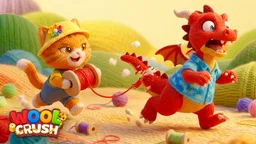
The car-jam and cat-rescue framing gives the sorting a sense of purpose, but the wool puzzle remains the part I would judge the game by. If you enjoy untangling a board one decision at a time, that focus is a strength. If you mainly want a story-driven adventure or a game built around fast action, the theme alone is unlikely to change your mind.
How the puzzle feels in practice
In a quick break, I would treat each level as a compact problem rather than something to rush through. Before moving a color, look at what the move might expose and whether it helps create a clearer route for later sorting. This is a useful habit in any sorting puzzle, but it is especially relevant here because the point is not simply to move wool around; it is to bring order to the arrangement without making the remaining choices harder.
A practical tip is to keep track of the colors that are temporarily difficult to reach. It is tempting to focus on the most visible pile, but a move that clears space without improving access can leave you with fewer useful options. When I hit that kind of decision, I would pause and compare the likely outcomes of two moves rather than committing immediately. That small change in pace can make a puzzle feel more considered and less like trial and error.
The theme also makes the experience approachable for people who might not usually seek out a logic game. Wool and cats give the puzzle a softer presentation than a stark grid or abstract tile board. Still, a friendly look does not mean every decision is effortless. Anyone who likes sorting games should expect to think about sequence and consequences, particularly when the board starts to feel crowded.
For everyday use, the format is easy to imagine fitting between other tasks: a level during a commute, a short pause at home, or a few minutes before bed. I would not choose it when I need to stay fully focused on a conversation or another task, because even a modest sorting puzzle asks me to remember what I have already moved and what remains awkwardly placed. Its best use is a brief, self-contained break rather than background entertainment.
A good fit for quiet, short breaks
Picture waiting for a friend who is running a few minutes late. A fast-paced game might feel too demanding to start, while a long campaign would be awkward to pause. A color-sorting level is a more natural fit: I can look over the arrangement, make a few considered moves, and stop when the moment calls for it. The cat-rescue framing adds a little charm without asking me to learn a large cast of characters or follow a complicated plot.
This is also the sort of puzzle I would recommend to someone who likes tidying or organizing, but wants a game version that still requires choices. The satisfaction comes from gradually making a messy-looking situation more orderly. It is less suited to someone who wants every interaction to deliver an immediate burst of action. The pace depends on the player’s willingness to inspect the board and think, so the same quality that makes it relaxing for one person may make it feel slow to another.
Compared with familiar alternatives, the game’s identity is its combination of wool sorting with a car-jam-and-cats theme. A conventional match-three game may be a better pick if you want cascading matches and rapid visual feedback. A pure sorting puzzle may suit you better if you prefer an entirely abstract challenge without a rescue wrapper. Wool Crush sits between those expectations: its presentation is playful, while its central appeal is the small strategic work of arranging colors.
Where the friction can show up
Sorting games can become frustrating when a move that seemed harmless limits the choices that follow. That is the main tradeoff I would keep in mind here. The deliberate pace is rewarding when I can see a route through the puzzle, but less satisfying if I make several moves quickly and then have to untangle the consequences. Taking a moment to plan is not a chore; it is part of how I would get more from the game.
There is another tradeoff in the theme. Players drawn in by the cats may expect the rescue story to be the whole experience, but the concrete appeal is the puzzle itself. I would recommend it to someone who enjoys arranging colors, not to someone looking primarily for a pet-raising game or a narrative adventure. The theme can make the challenge feel warmer, but it does not replace the need to enjoy sorting.
The game is free to download, with in-app purchases ranging from $0.49 to $99.99 per item. That is worth knowing before installing, especially if you are choosing something for a younger player. The Everyone age rating makes it broadly accessible, but I would still check purchase settings on a shared device and make sure the player understands that optional purchases can appear. If you want a puzzle experience with no purchase prompts or spending decisions at all, this may not be your ideal choice.
Another useful consideration is device compatibility. The current version is 1.550 and the minimum Android requirement is 7.0, so owners of an older phone should check that their device meets that baseline before making room for it. That matters most if you are installing the game on a spare or hand-me-down device. The game’s puzzle style may be approachable, but the device still needs to be compatible.
Who is most likely to enjoy it
I would point Wool Crush™ toward players who like color organization, approachable logic puzzles, and a gentle theme with cats. It is particularly suited to people who want a game they can dip into without learning elaborate controls. The sorting focus gives each move a clear purpose, while the playful framing keeps the challenge from feeling like a bare logic worksheet.
It is less compelling for players who want competitive multiplayer, fast reflex challenges, deep world-building, or a puzzle that is easy to play without paying attention. If you prefer to act immediately and figure things out afterward, the sorting format may feel restrictive. Likewise, if your favorite puzzle games rely on matching as many tiles as possible in a rush, this asks for a more measured mindset.
The game has an average rating of 4.8 from around 307,000 ratings, alongside roughly 2,600 written reviews, and it has passed 10 million installs. Those figures suggest it has reached a broad audience, but I would still use personal taste as the deciding factor: its appeal depends more on enjoying sorting and planning than on popularity alone. Astrasen Global released it on August 27, 2025, and continues to identify the game by its current version number, 1.550.
My recommendation
I see this as a good choice for a short, calm puzzle break when I want to organize rather than react. The color-sorting idea is simple to understand, but the value comes from considering what each move will make possible afterward. My most useful advice is to scan the board before acting, keep difficult-to-reach colors in mind, and resist moving just because a color looks convenient in the moment.
Choose it if wool sorting, light rescue-themed presentation, and bite-sized planning sound appealing. Skip it if you want a story-first cat game, a rapid match-three rush, or a completely purchase-free experience. For the right player, its modest scope is a benefit: it offers a clear puzzle to focus on during a spare moment, without requiring that moment to become a long session.
What we like
- Easy-to-understand matching rules make it welcoming for casual players.
- Short levels suit quick play sessions on a phone.
- Colorful wool visuals make the board easy to read.
- The puzzle format rewards planning rather than fast reactions.
- A wide range of levels offers goals for repeat play.
What could be better
- Some levels may feel repetitive after extended play.
- Later puzzles can become challenging without careful planning.
- Ads may interrupt play depending on the version.
- Limited moves can make mistakes costly.
- Progress may feel slow when a level takes several attempts.







