
Color Block: Combo Blast review
 Analysis by Appsdrops
I can see why Color Block: Combo Blast appeals quickly: it gives the familiar pleasure of fitting blocks into a grid, with enough room for a satisfying little chain of decisions. My first impression is that it works best as a compact puzzle to pick up when I have a few spare minutes, not as a game that demands a long session. The rules are easy to approach, but getting more deliberate about where each piece goes is what gives a simple round its staying power.
Why the first sessions feel inviting
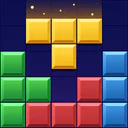
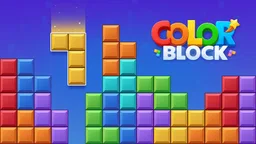
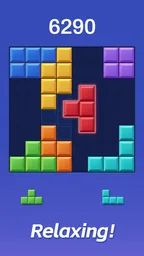
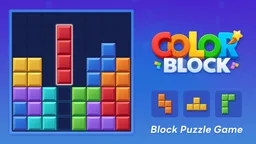
This is a free puzzle game from Ivy, built around a classic block-placement challenge. Its basic appeal is immediately legible: look at the available shapes, find spaces where they fit, and try to keep the board workable. That low barrier matters when I want to start playing without first learning a long tutorial or committing to a story. Color Block’s store description points to this straightforward puzzle identity, and that is also the sensible way to approach it.
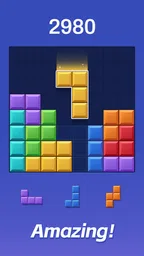
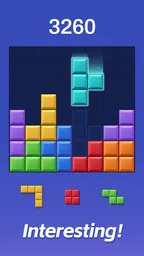
The first few sessions are likely to feel rewarding because every move has a visible consequence. A placement can tidy the board, preserve a useful opening, or leave an awkward gap that limits what can fit next. I enjoy puzzles where a small choice matters without requiring a complicated rulebook, and this format delivers that kind of quick feedback. It is easy to understand what went wrong, even when the better choice only becomes obvious after the move.
That clarity makes it a natural fit for short breaks: waiting for a ride, taking a pause between tasks, or sitting down with a few minutes before bed. I would treat a round as a small focus exercise rather than background entertainment. If I am distracted and place pieces carelessly, the board can become harder to manage; if I pay attention, even a brief session gives me something to think through.
The game is rated for Everyone, and its broad, uncomplicated puzzle premise is approachable for a range of ages. It is also free to download, with optional in-app purchases priced at $4.99 per item. That makes it easy to try before deciding whether it belongs in a regular rotation. I would still check the purchase prompts before handing a device to a child, since a free game can include paid items.
Small decisions make the puzzle
The useful skill here is not simply spotting where a shape fits; it is judging what the placement does to the next turn. When I have several possible spaces, I try not to use the first obvious opening automatically. I look for the move that keeps more than one area available, especially if a shape could block a narrow channel or isolate an empty pocket. This habit is more valuable than rushing to make the board look neat.
A practical approach is to scan the whole board before placing anything, then compare the shapes as a group rather than treating each one in isolation. If one piece has only a few plausible homes, I give that piece priority in my planning, even if another placement looks more satisfying in the moment. This is a general strategic reading of the block puzzle, not a hidden mode or special mechanic; it is simply a way to avoid painting myself into a corner.
That distinction helps set expectations. Color Block is for people who like spatial planning and gradual improvement, not for players looking for a plot, character progression, or a deep collection of puzzle types. The pleasure comes from making a better move than I did last time, not from unlocking a new world or following a narrative. If that is the kind of small challenge I want, the narrow focus is a strength.
Can it earn a place in a routine?
The more useful question after the initial novelty is whether I still want to open it when the basic placement loop feels familiar. A good fit depends on what I ask from a phone game. If I want a repeatable mental reset with no elaborate setup, this format can serve that role. I can return to the same central puzzle idea and concentrate on making cleaner choices, rather than relearning controls or remembering a complex objective.
For month-to-month value, I would judge it by whether the act of planning remains enjoyable, not by assuming that a simple puzzle will constantly surprise me. The same core challenge can stay appealing for someone who likes refining a personal approach: leaving flexible space, avoiding awkward holes, and thinking one or two placements ahead. It is less compelling for someone who needs frequent changes in setting or mechanics to remain engaged.
In ordinary use, I would keep it as an occasional option rather than a daily obligation. For example, during a short commute where I am seated and can focus, a few decisions may be satisfying; while walking or juggling several tasks, the need to study the board makes it a poor choice. That difference sounds small, but it affects whether the game feels like a useful pause or another distraction.
Color Block has an average rating of 4.3 from around 85,000 ratings, alongside roughly 1,400 written reviews. It has passed 50 million installs, which shows that the straightforward premise has reached a large audience. Those figures are reassuring as signs of broad interest, but they do not tell me whether its pace or repeated puzzle loop will suit an individual player. I would put more weight on whether I enjoy thinking spatially for a few minutes at a time.
Low maintenance, but not completely frictionless
There is little to maintain in the sense of a complicated game routine: I do not need to learn a large roster, follow a sequence of story missions, or set aside a long block of time just to make progress. That makes the game easy to leave alone and return to when the mood strikes. For a casual puzzle, this light commitment is part of its practical value.
On the other hand, a low-maintenance loop can also mean a low variety ceiling. If I want each visit to feel dramatically different, repeated block placement may eventually feel like repetition rather than comfort. I would not install it expecting a steady stream of new experiences. The better expectation is a familiar puzzle that rewards attention and gives me a reason to improve my decisions.
Its current version is 5.8.8, and it supports Android 7.0 or later. That is useful to know when checking whether an older Android device can run it. The version number alone is not a promise about how often the game changes, so I would not base a long-term decision on imagined updates. The relevant question is whether the current style of play is enough for me as it stands.
Because the game is free with optional purchases, I would also decide early how I want to handle spending. If I am only looking for a quick puzzle, I can try the free experience first and avoid treating an in-app purchase as necessary. A paid item may be worthwhile to someone who already knows the game has become a regular pastime, but I would not buy anything merely because a prompt appears during a casual session.
Where repetition may set in
The main source of fatigue is also the game’s defining simplicity: the same basic task of arranging blocks can become predictable if I am not interested in improving my planning. A player who prefers fresh objectives, varied environments, or a stronger sense of progression may find that the initial appeal fades. That is not a flaw for everyone, but it is a real limitation to consider before expecting a long, evolving experience.
Another trade-off is that a puzzle can demand more concentration than its casual presentation suggests. It is easy to start a round in a spare moment, but careless placements can make the board feel constrained. If I am looking for something to tap absent-mindedly while watching a show, I may not get the best out of it. A more passive game would suit that situation better.
Compared with the usual alternatives in the puzzle category, Color Block sits on the simple, spatial side rather than leaning on word knowledge, matching patterns, or a narrative wrapper. That makes it a good pick when I want to think about shape and space without needing vocabulary or context. If I get bored with rearranging pieces, a word puzzle or a match-style game will likely provide a more noticeable change of rhythm; if I want a familiar planning challenge, Color Block is the more direct option.
I would skip it if I need a game to keep changing its rules, if I dislike planning several moves ahead, or if I mainly want a story to follow. I would also choose something else when I cannot give the board even a little attention. The game is most satisfying when I can pause, inspect the available placements, and accept that one imperfect decision may limit later options.
My long-term verdict
After the first-week appeal, I see Color Block as a potentially useful habit, but not an essential one. It earns space on my device if I enjoy returning to a compact spatial puzzle and find that a few minutes of careful placement still feels worthwhile. It is not the kind of game I would recommend on the promise of endless novelty; its value rests on whether its central loop remains pleasant after I know exactly what sort of challenge it offers.
I would recommend it to a friend who likes clean, accessible block puzzles, wants a short activity that rewards thought, and is comfortable with repetition. The free entry point makes trying it straightforward, while the Everyone rating makes its audience broad. Ivy’s game has a clear identity, and its large install base and 4.3 average suggest that many players enjoy that identity, though neither figure can substitute for personal taste.
My advice is to try it during a moment when you can focus, use the first sessions to practice preserving flexible spaces, and see whether you naturally want another round after the novelty settles. If you do, its modest demands may make it a convenient regular. If you find yourself wishing for new mechanics or a stronger sense of progression, move on without guilt: Color Block is at its best as a dependable little block puzzle, not as a promise to be every kind of game.
What we like
- Easy-to-learn controls make it approachable for casual players.
- Short rounds fit neatly into breaks or commutes.
- Colorful visuals make the board easy to read.
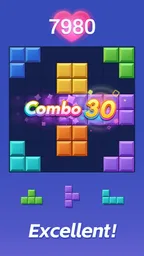
- Combo mechanics add a satisfying layer of strategy.
- The puzzle format encourages planning ahead.
What could be better
- Later levels may feel repetitive.
- A single mistake can disrupt a carefully planned chain.
- The board can become difficult to read when crowded.
- Progress may depend on repeated play.
- It offers limited variety for players seeking a story.







