



Women's Bible review
 Analysis by Appsdrops
I would approach Women's Bible as a small, approachable companion for bringing a Bible reading and a moment of prayer into an ordinary day—not as a replacement for a full Bible study library. Its focus is simple: brief daily inspiration that you can return to when you have a few quiet minutes. That makes it a sensible starting point if you want a gentle routine but do not know where to begin.
The app sits in the books and reference space, and JSK Developer has kept its purpose easy to understand. It is free, open to everyone, and has a 4.7 average from around 9,900 ratings, with more than a million installs. Those figures suggest broad interest, but I would judge it by whether its short readings fit your own habits. The latest version is 1.9.7, and it runs on Android 8.0 or later.
What to expect from a daily reading app
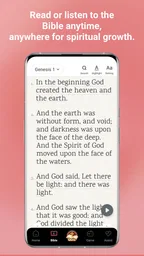
The name sets a clear expectation: this is a Bible app presented with women in mind. Its central appeal is the chance to encounter a verse and prayer without first navigating a large reference collection. If you are looking for a quick prompt for reflection, that narrower focus can feel welcoming. If you want to compare translations, trace a topic across scripture, or follow a detailed study plan, a more comprehensive Bible tool may serve you better.
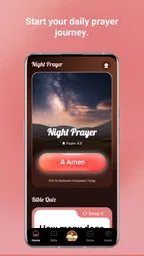
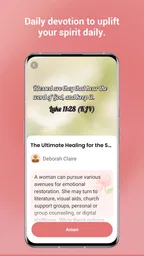
I find the daily format most useful when it lowers the effort needed to begin. A verse can offer a point to carry into the day; a prayer can help you pause and respond rather than merely read and move on. The value is not that a short entry answers every spiritual question. It is that a small, repeatable moment can fit between getting ready, commuting, or winding down at night.
Offline access is particularly relevant for this kind of use. Once content is available without a connection, a reading can remain part of a routine on a train, during a trip, or in a place where reception is unreliable. I would still make sure the app has loaded what I plan to read before going offline rather than assuming every part of the experience behaves the same way without internet access.
It is also worth setting expectations around the word “daily.” A daily verse is a prompt, not a complete reading plan. If your goal is to study a whole book of the Bible, understand the context around a passage, or keep track of a long-term curriculum, you may want to pair this app with a full text Bible or a study resource. Used on its own, its strength is approachable reflection rather than depth of reference.
A comfortable first setup
After installing it, I would keep the first visit uncomplicated: open the app, look for the current verse or prayer, and take a moment to read before exploring every available screen. The app is free, so there is no purchase decision to make before trying that basic routine. Its Everyone content rating also makes it broadly suitable for a shared household, though each reader will naturally decide whether the devotional tone fits them.
For a first-time user, the best setup is often a practical one rather than a technical one. Choose a time you already have a brief pause—after breakfast, before opening work messages, or when you put your phone down for the evening. Tying the reading to an existing habit is more realistic than promising yourself a long session every day. If mornings are rushed, an evening check-in may be easier to sustain.
I would also decide in advance what “success” means. It might be reading the verse slowly, saying the prayer, or writing one thought in a separate journal. Keeping the goal small prevents a short devotional app from turning into another task you feel guilty about skipping. The point is not to complete a streak or race through content; it is to make room for reflection in a way that feels genuine.
Your first meaningful moment
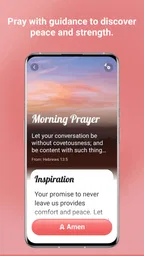
On the first day, read the verse once for its meaning and once more for a phrase that stays with you. Then use the prayer as a starting point: you can say it as written or pause to add a concern or gratitude of your own. This two-pass approach makes a brief entry feel less like scrolling past a quote and more like a small act of attention.
A realistic example is a busy morning when you have only a few minutes before leaving home. Rather than trying to launch a complete study session, open the app while your coffee is brewing, read the verse, and carry one phrase into the day. Later, if the phrase connects with something that happened, you can return to it or note the connection elsewhere. That gives the reading a place in daily life without demanding a large block of time.
Another useful approach is to match the app to a particular need. If you want a calmer transition before bed, use the prayer as a cue to put other thoughts aside. If you are looking for encouragement before a difficult conversation, read at a moment when you can sit with the words rather than squeezing them between notifications. The same short format can serve different moments, but it works best when you give it even a little undivided attention.
A useful habit is to treat each entry as a beginning, not a verdict on what the passage means. If a verse raises a question, note it and consult a full Bible or trusted study resource for context. That small distinction helps keep devotional reading meaningful without asking a brief daily prompt to do the work of a commentary.
Where first-time readers can get confused
The most common mismatch is expecting a devotional app to behave like a searchable Bible reference. A verse-and-prayer routine is designed for reflection; it may not answer questions such as what happens before or after a passage, how a translation phrases it, or how a theme appears elsewhere. When those questions matter, switch to a dedicated Bible text or study app rather than assuming a daily prompt is meant to provide all the background.
“Offline” can also be interpreted too broadly. It is a valuable quality for reading away from a connection, but it does not automatically mean every action or screen is available in every situation. My practical advice is to test the reading you intend to use while you still have connectivity, then rely on the app for the content you have confirmed is accessible. That avoids finding out at an inconvenient moment that your planned activity needs a connection.
The app’s women-focused identity may be a draw for readers who want that framing, but it will not be everyone’s preference. Some users may want devotional material organized around a specific denomination, life stage, or study method. Others may simply prefer a neutral Bible reader. If the tone or emphasis does not feel like yours, that is a good reason to choose a different resource rather than forcing yourself into a routine that feels impersonal.
There is a related trade-off in keeping the experience simple. A short reading is easier to fit into the day, but it can feel too slight if you are seeking sustained study. I would not use the app as the only resource for preparing a lesson, resolving a difficult interpretive question, or building a structured reading schedule unless its available content clearly meets that need for you. For those jobs, a searchable text and reliable contextual tools matter more than convenience.
How it compares with familiar alternatives
Compared with a general Bible app, Women's Bible is more focused on daily devotional use. A broad Bible reader usually makes the scripture text itself the center and may suit people who want to search, compare, or read longer passages. This app’s appeal is a more guided, bite-sized encounter with a verse and prayer. I would choose based on the task: use the devotional when you need a gentle prompt, and a full Bible reference when you need context or navigation.
Compared with a paper devotional, a phone app is easier to keep at hand and can be used when you are away from home. Paper, by contrast, avoids the temptation to switch to messages or other apps once you have unlocked your phone. If you tend to get distracted by your screen, place the phone on focus mode if that is part of your normal routine, or choose a printed book for your quiet time. Convenience only helps if it does not pull you away from the reading.
It can also complement a church reading plan or personal study rather than compete with one. A brief verse may serve as a warm-up or closing reflection, while the larger plan supplies continuity and context. I would avoid treating the daily entry as a substitute for a community’s chosen text or a study you have already committed to; it is easier to keep both roles clear when you decide what you want from each resource.
Building a routine that lasts
Once the first reading feels comfortable, the next step is to keep the routine modest. Read at the same natural pause for several days, and notice whether the format helps you slow down. If it does, you can give the verse more time or connect it with a journal entry. If you repeatedly forget, move the reading to a point in the day that already happens reliably instead of adding a new obligation.
For a useful follow-through, write down a question rather than trying to answer it immediately. A question such as “What is the context here?” gives you a clear reason to open a fuller Bible resource later. This creates a practical bridge between devotional reading and study, while keeping the daily app’s role manageable. It is a small workflow, but it prevents a meaningful line from disappearing as soon as you close the screen.
Women’s Bible is a good fit for someone who wants a simple, women-oriented prompt for scripture and prayer, especially when offline reading and a brief daily format matter. I would recommend trying it with one realistic time slot and a modest goal: read, reflect, and carry one thought into the day. I would skip it in favor of a comprehensive Bible or study app if your main need is deep searching, extensive context, or a structured curriculum. For a first step into a steadier devotional habit, though, its focused approach makes getting started feel manageable rather than intimidating.
What we like
- Offers a focused collection of Bible content for women.
- Provides a convenient way to read Scripture on mobile.
- Can support personal reflection and daily study.
- Useful for readers seeking faith-based encouragement.
- Lets users explore Bible passages at their own pace.
What could be better
- Its women-focused approach may not suit every reader.
- The app's usefulness depends on the content included.
- Reading on a phone may be distracting.
- Some features may require an internet connection.
- The experience may feel limited for in-depth Bible study.





