




Thursday Events review
 Analysis by Appsdrops
I see Thursday Events as a focused way to look for in-person singles events rather than another all-purpose dating app. That distinction shapes the whole experience: the point is to help me decide where to go, not to keep me swiping through profiles whenever I have a spare minute. If meeting people face to face sounds more appealing than building a conversation in an inbox, this is a useful idea to explore. It is less compelling if you want a large, always-on pool of matches or a carefully planned social calendar.
From browsing to actually going out
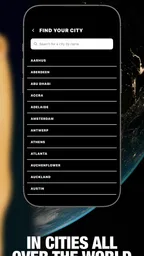
The most practical way to use the app is to treat it as the start of an evening plan. I would open it when I am considering going out, look through the events available to me, and decide whether one sounds worth leaving home for. That seems simple, but it changes the decision from “Should I keep looking at dating profiles?” to “Would I enjoy showing up here and meeting people?” For many people, that is a healthier and more concrete question.
Thursday is an Events app developed by Thursday, and its appeal rests on that event-first approach. Rather than assuming every useful connection begins with a private chat, it puts the social occasion at the center. The event can provide a shared reason to talk, which takes some pressure off inventing an opener. I still have to make the effort to attend and start conversations, though; installing an app cannot do that part for me.
For a realistic routine, I would check it before making other plans for the evening, not while already rushing out the door. If an event catches my interest, I can consider the travel time, whether I feel like meeting strangers that day, and whether I would enjoy the setting even if no instant connection happens. That last test matters. An event is a better bet when I would still be glad I went, rather than when I am treating attendance as a guaranteed route to a date.
The app is free, which makes it easy to try without turning the decision into a financial commitment. It has an Everyone content rating, and it has been available since June 26, 2024. Its current version is 6.0.7, and it requires Android 7.0 or later. Those details make the basic download decision straightforward, but compatibility and cost do not tell me whether the events themselves suit my location, schedule, or preferred way of socializing.
Make the event fit your real life
My best advice is to use a small personal checklist rather than choosing solely because an event sounds exciting. Ask whether you can get there without turning the evening into a logistical project, whether the format feels comfortable, and whether you would be content to spend the time there even if you do not meet someone you fancy. This is not a special feature; it is a repeatable way to make event listings more useful and avoid saying yes to plans that look better on a screen than they feel in practice.
It also helps to decide in advance what “a good night” means. Maybe it is having a couple of relaxed conversations, learning whether this kind of event suits you, or simply getting out of your usual routine. If success means only finding a romantic match, the experience can feel like a failure for reasons outside your control. A broader goal makes it easier to judge the event fairly and come back with useful information about what you enjoy.
Check the practical details before committing
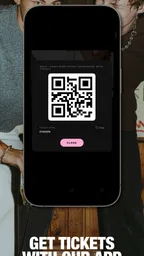
I would make a habit of reading each event’s information carefully before building my evening around it. Pay attention to the stated format and any practical instructions shown in the app, then check that the timing works for you. Event-based dating has a different kind of friction from online matching: you have to be in the right place at the right time. A quick review beforehand is more valuable than assuming every listing will suit every attendee.
It is also worth checking the app’s available settings when you first use it and again if your circumstances change. I would look for options that affect how I use the service, make sure my account details are current, and review any event-specific information before going. I would not assume that an event app can accommodate every preference or schedule automatically. If you need a particular arrangement, confirm what is actually presented in the event details rather than relying on an assumption.
Because Thursday is built around attending events, availability is naturally tied to where and when you can go. Someone with a flexible evening and a convenient route to an event may find the format easy to test. Someone juggling childcare, shift work, a long commute, or limited transport may need to be more selective. In that situation, I would check the app when I can genuinely make plans, not browse repeatedly at times when attending would be unrealistic.
Build a quicker, repeatable routine
Experienced use here is less about discovering secret controls and more about reducing avoidable indecision. I would pick a regular moment to check for events, compare the options against my actual availability, and make a yes-or-no decision instead of reopening the app throughout the day. Once I know what kinds of social settings I enjoy, I can use that experience to choose more confidently. A short note to myself after an event—what felt comfortable, what felt awkward, and whether the journey was worth it—can sharpen future choices without requiring a complicated system.
A second useful habit is to prepare one or two natural conversation starters tied to the setting. The goal is not to rehearse a performance; it is to avoid freezing when everyone is new to one another. A comment about the event, the venue, or how someone heard about the gathering can be easier than launching into personal questions. This works particularly well when an in-person event already gives everyone a common topic, which is one of the format’s clearest advantages over a blank message thread.
I would also keep a backup plan that does not depend on the evening producing a date. That could mean being comfortable going alone, arranging a casual plan with a friend before or after, or choosing an event in an area where you would enjoy spending time anyway. This is a practical trade-off: the app can help point me toward an opportunity, but I remain responsible for making the outing feel worthwhile. It is a better fit for people willing to take that small social risk than for anyone expecting the app to remove all awkwardness.
Where this approach has limits
Thursday will not replace a conventional dating app for someone who prefers to screen potential matches through extended conversations before meeting. The event-first format asks for a different kind of commitment: choosing an occasion and showing up without knowing exactly how every interaction will go. That can feel refreshing, but it also means less control over the first impression and less room to assess chemistry in private beforehand.
It is not automatically the best option for people seeking a broad social-events directory either. Its purpose is tied to singles events, so someone mainly looking for hobby groups, general nightlife suggestions, or new friends may be better served by a service built around those goals. Likewise, if the current event choices do not line up with your location or free time, the concept may be sound while the practical value for you remains limited. The key question is not whether in-person dating is appealing in theory, but whether you can realistically attend the kinds of gatherings available to you.
There is also an unavoidable uncertainty in meeting people in a group setting. You may have a lively evening without meeting a romantic match, or find that the atmosphere is not your style. That is not necessarily a flaw in the app, but it is a reason to keep expectations measured. I would judge it over more than one outing if the first experience is merely okay, while also being honest about whether I enjoy this format enough to try again.
The app has an average rating of 3.7 from 609 ratings, alongside 28 written reviews and more than 100,000 installs. I take those figures as a sign that it has found an audience, not as a guarantee that every event or experience will work for me. Ratings can summarize varied expectations, and event-based services are especially personal: someone who loves meeting strangers in person may value the same design that feels inconvenient to a person who prefers chatting first.
Who I would recommend it to
I would suggest Thursday to a single friend who is tired of endless profile browsing and genuinely open to meeting people at an event. It makes particular sense if they can be spontaneous, enjoy social settings, and are willing to treat attendance as worthwhile even when romance is not immediate. It can also suit someone who finds one-to-one app conversations tiring but feels more at ease when there is a shared activity or occasion to talk about.
I would be more cautious recommending it to someone who needs highly predictable plans, dislikes approaching unfamiliar people, or wants to build trust through messaging before agreeing to meet. Those preferences are perfectly reasonable; they simply point toward a different dating routine. If I were advising a friend, I would say to try it with one well-chosen event, plan the logistics in advance, and decide afterward whether the in-person format felt better than their usual approach.
My verdict is that Thursday makes a clear, appealing choice for dating: it puts the real-world gathering ahead of the endless chat. The strongest way to use it is with a steady browsing habit, careful event selection, and expectations that leave room for a good evening even without a match. It is not a universal replacement for dating apps, but for people ready to get off the screen and meet others face to face, Thursday Events is a sensible option to try. I would keep it in my routine if its events fit my schedule and I enjoyed the atmosphere; otherwise, a messaging-first app or a broader social activity would be a better use of my time.
What we like
- Event listings make it easy to discover local activities.
- Event details help users check dates and locations before attending.
- The app can help users find events that match their interests.
- Browsing events is a convenient way to plan a night out.
- A dedicated events app keeps discovery separate from social feeds.
What could be better
- Event availability may vary depending on your location.
- Some listings may become outdated if organizers change their plans.
- Popular events may sell out before users can book.
- The app is less useful in areas with few listed events.
- Users may need to check event details with organizers before attending.





