




Easy Quran Mp3 Audio Offline review
 Analysis by Appsdrops
When I want one practical place for Quran listening and a few everyday worship tools, I look for something that can do more than play audio without becoming a cluttered all-purpose app. Easy Quran Mp3 Audio Offline is aimed at that middle ground: it brings Quran audio together with tools such as a Qibla compass, prayer timings and the 99 Names of Allah. I find that combination most useful for someone who wants these basics close at hand, rather than a dedicated app for every separate task.
What to weigh before choosing it
The first question is how you plan to use Quran audio. If you want to listen while travelling or in places with unreliable reception, the app’s focus on offline MP3 listening is a meaningful reason to consider it. If you mainly want a sophisticated Quran study environment, though, audio and practical worship utilities may not be enough; a reader centred on translation, commentary or detailed study could suit you better.
It is also worth deciding whether you want one compact toolkit or several specialist apps. Here, listening sits alongside direction and prayer-time tools, so the appeal is convenience. The trade-off is that someone who already has trusted apps for those tasks may not gain much by adding another set of similar tools. I would choose it for its combination, not assume every feature will replace an app I already rely on.
The app is listed in the events and religious-use category, and Muslim Worldapp is its developer. It is free to install, with optional in-app purchases ranging from $0.99 to $17.99 per item. That makes it possible to try the basic experience before deciding whether any paid option is worthwhile. I would check what an individual purchase actually unlocks before paying, rather than treating the presence of purchases as a reason to upgrade automatically.
A useful companion, not automatically a complete study suite
The strongest case for this app is a straightforward routine: listen to Quran audio, consult a prayer-time tool, and check the direction of prayer without switching between separate utilities. That can make a phone feel less fragmented. It is not the same as saying the app is the best option for every Quran-related need. Readers who want to follow text closely, compare translations, or work through structured lessons should judge it against apps built specifically around those activities.
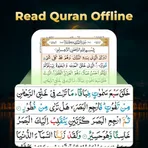
I would also treat the word “offline” as a practical feature to verify in my own setup. Before relying on audio during a journey, I would check that the content I need is available without a connection and test playback while disconnected. That small preparation matters: offline listening is only useful when the relevant audio is ready beforehand, and a quick test is safer than finding out on a train, in a rural area, or while travelling abroad.
Where its mix of tools earns its place
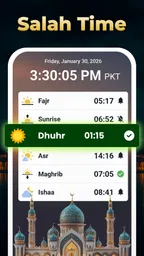
For day-to-day use, combining listening with a Qibla compass and salah timing can reduce small bits of friction. Imagine arriving somewhere unfamiliar and wanting to check prayer direction, then listening to Quran later without depending on mobile data. The app’s range makes that kind of routine plausible from one place. I would still check that the prayer-time information and direction work as expected in my location before making them part of an important schedule.
One helpful habit is to use the app in two stages: prepare the listening you expect to need while connected, then test it offline before leaving. This is more dependable than waiting until a connection disappears. A second practical tip is to avoid treating a phone compass as infallible. If the direction reading seems uncertain, recalibrate the phone as prompted by its system or compare it with a direction you already trust. The app offers a convenient tool, but the phone’s sensors and surroundings can affect compass readings.
The 99 Names of Allah add a different kind of reference point from audio playback or navigation. I see that as useful for someone who wants a small collection of related devotional tools in the same app, rather than as a substitute for a dedicated learning resource. If I were using the names for study, I would pay attention to whether the presentation gives me the depth and context I want; the app’s overall convenience does not by itself tell me how extensive that material is.
There is a potential attention trade-off in bundling tools. A person opening the app to listen may welcome the extra utilities, while someone who wants a quiet, single-purpose audio player may prefer a simpler alternative. Likewise, if prayer timing is the main priority, a dedicated prayer-time app may be a better fit if it offers the settings or presentation that user needs. The sensible comparison is not which app has the longest feature list, but which one fits the task you actually do most often.
How it compares with the usual alternatives
Against a basic Quran audio player, Easy Quran’s appeal is breadth: audio is paired with the compass, prayer timings and devotional reference material. A minimalist player may feel more focused, especially if you already have separate tools for direction and prayer schedules. On the other hand, relying on several apps means managing different interfaces and remembering which one handles each task. I would favour this app when reducing that switching matters more than having the most specialised experience in every category.
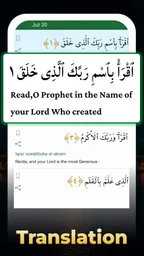
Compared with a text-first Quran reader, this is a better match for a listener who wants audio as the main activity. Someone who studies by reading, annotating or comparing translations should look closely at those reader-focused alternatives instead of assuming an audio-oriented app will cover the same ground. For a user who mainly listens and occasionally needs practical worship utilities, the bundled approach is more persuasive.
The audience response is strong: it has a 4.7 average from around 195,000 ratings, and it has passed 10 million installs. Those figures suggest that many people have found the app useful, but they cannot tell me whether its audio choices, interface or local prayer-time setup will suit a particular person. I would use them as a sign that it is an established option, then make the decision based on my own routine.
Everyday fit, setup and small compromises
A realistic use case is a student or commuter who wants to listen during a daily trip, then use the same app to check direction when away from home. In that situation, the app can earn its place through repetition: a familiar listening routine and occasional access to the other tools. Someone who only needs Quran audio once in a while may find that a dedicated player is simpler, especially if the extra sections feel like distractions rather than useful shortcuts.
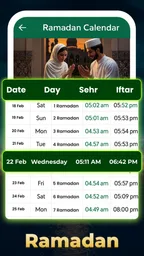
There is also a distinction between installing an app and depending on it. For an important prayer schedule, I would first set up the app for my location and compare its timing with the method or local reference I already follow. Differences in preferred calculation settings can matter to users, so I would not assume one schedule automatically matches everyone’s practice. Once the times look right, using the app as a convenient reference is more reasonable.
The app is free to download, but optional purchases mean the full experience may not be identical for every user. I would explore the free version first and only consider spending if a specific paid item solves a real need. That avoids paying simply because an upgrade is available. The app is rated for Everyone, and its current version is 6.6; it requires Android 7.0 or later, so an older device may not be compatible.
It was released on May 19, 2019, which gives it a longer history than a newly launched utility. For me, that is context rather than proof that every part will feel modern or suit my preferences. I would pay attention to the current interface during the first few minutes: can I reach listening easily, find the tools I care about, and understand what is available without extra effort? If not, a more focused alternative may be less frustrating, regardless of how many features this app groups together.
Who should choose it—and who should keep looking
I would recommend Easy Quran Mp3 Audio Offline to someone who values Quran listening and wants prayer-related tools nearby, particularly if offline playback is part of the plan. Its best use is as a handy everyday companion, not as a promise that one app will meet every religious learning need. The convenience comes from having several relevant functions together; the compromise is that a specialist app may handle a single task in a way that better matches a particular user.
I would look elsewhere if I needed a deeply study-oriented reader, if I wanted a strictly audio-only interface, or if I already had dependable tools for prayer schedules and Qibla direction. I would also avoid relying on offline playback until I had prepared and tested it, and I would verify local timing before making it my sole reference. Those are modest checks, but they make the difference between installing a useful toolkit and assuming it will suit every situation.
Overall, this is a sensible choice for people who want listening first and practical worship utilities alongside it. Try the free app, test the parts you expect to use, and keep a specialist alternative in mind if your needs are narrower or more demanding. If the combination fits your routine, the app can save everyday switching; if it does not, there is little reason to keep a bundle of tools you rarely open.
What we like
- Audio playback works without an internet connection.
- Useful for listening while traveling or away from Wi-Fi.
- Simple audio-focused design is easy to navigate.
- Can support regular Quran listening routines.
- Offline access avoids mobile data charges.
What could be better
- Downloaded audio can take up considerable storage space.
- Audio playback offers limited value to users who prefer reading.
- Listening options may depend on the included recitation selection.
- The app may not suit users seeking detailed study tools.
- Audio quality can vary between recordings.





