



Speech Blubs: Language Therapy review
 Analysis by Appsdrops
I can see the appeal of a speech practice app most clearly in a busy household: a child is waiting for dinner, a parent has a few minutes nearby, and neither is in the mood to turn the moment into a formal lesson. Speech Blubs: Language Therapy is aimed at that kind of everyday practice, using short speech exercises to make trying sounds and words feel more playful. I’d treat it as a way to invite repetition and conversation, not as a substitute for an assessment or a therapist’s plan.
Making short practice work in a shared home
For a shared-device routine, the useful question is not simply whether a child can open an activity. It is whether an adult can make the session feel intentional without making it feel like homework. I’d sit with the child, choose a calm moment, and join in with the sounds rather than handing over the phone and expecting independent progress. That small change makes the app a prompt for interaction instead of a screen-based babysitter.
A realistic routine might be a few minutes after breakfast while a caregiver is close by. The adult can listen, repeat a word naturally, and then bring it into the day: if the exercise involves a familiar object, look for that object around the room and say its name together. This kind of follow-through is more useful than trying to squeeze in a long session when everyone is tired. The app can supply a reason to practise; the household supplies the meaningful conversation.
Because devices are often shared among siblings or adults, I would establish a simple turn-taking rule before opening it. One child’s practice should not automatically become everyone’s activity, and an older sibling’s interest does not mean the younger child is ready for the same pace. Keeping sessions brief and supervised also makes it easier to notice when a child is engaged, frustrated, or simply ready to stop.
The app is free to download, but it includes in-app purchases ranging from $9.99 to $99.99 per item. That matters in a household where a child may tap around on a device used for other things. Before letting a child explore, I’d review the device’s purchase protections and agree on who handles any upgrade decisions. That is a practical boundary, not a judgment about the app: children’s curiosity and a shared payment setup do not always mix well.
Set expectations before the first session
It helps to decide what “practice” means in your home. I would avoid promising a child that using an app will make speech difficulties disappear, and I would not frame an activity as a test they can fail. Instead, I’d say that you are going to play with sounds together. That wording keeps the emotional stakes low and gives the child room to try without feeling watched for mistakes.
Adults should also be clear about the boundary between playful practice and clinical guidance. If a speech-language professional has suggested particular exercises, ask whether app-based practice fits the child’s needs and how it should sit alongside the professional’s recommendations. If you are concerned about a child’s speech or language development, an app cannot determine the cause or replace a qualified assessment. In that situation, professional advice is the better next step.
One useful habit is to stop while the child is still willing to participate. A parent may be tempted to repeat an activity until a sound is “right,” but a short, positive attempt can preserve interest better than turning practice into correction. I’d respond to effort, model the word again in an ordinary voice, and move on if the child becomes uncomfortable. The aim is to keep communication inviting, not to make every family interaction feel like therapy.
On a shared phone or tablet, adults should also decide who will start a session and when. That avoids the app appearing unexpectedly during a meal, bedtime, or a sibling’s turn. I would not assume that a device or app automatically separates children’s activity, preferences, or progress; caregivers should check what is actually presented on their own device and keep supervision appropriate to the child.
Coordinate caregivers without turning practice into a chore
When more than one adult cares for a child, consistency can come from a shared approach rather than an elaborate schedule. A caregiver can mention which kinds of sounds the child enjoyed and whether the session felt easy or tiring. That brief handoff helps the next adult choose a good moment and avoid pushing a child who has already had enough practice that day. It also keeps the focus on the child’s experience rather than on completing a quota.
I’d keep notes outside the app if a professional has asked the family to observe something specific. For example, a parent might jot down which words the child attempts comfortably in everyday conversation, then discuss those observations with the professional. This is different from treating an app activity as proof of progress: children may perform differently in a playful setting than in conversation, and a single session says very little on its own.
There is a trade-off here. A dedicated speech appointment offers expert feedback and a plan tailored to an individual child, while a home app is easier to fit into an ordinary day and can make repetition feel less formal. Speech Blubs is more compelling as a supplementary activity for families who want a playful starting point than as a replacement for that expertise. If a child needs individualized coaching, a therapist is the stronger option; if the household simply wants a low-pressure way to encourage speech practice between other activities, the app may be a useful companion.
For caregivers coordinating across homes, such as parents who share childcare, I would agree on the same gentle language and stop conditions rather than assuming each adult will use the app identically. A child should not feel that one home is testing them more intensely than the other. The most transferable part of the routine is adult behavior: take turns speaking, give the child time to respond, and make attempts welcome.
Age, trust, and adult supervision
The app has an Everyone content rating, which is a broad content classification, not a developmental recommendation for every child. A suitable age depends on the individual child’s attention, communication needs, and ability to use a device with an adult. I would stay nearby, particularly for a young child, and judge suitability by how the child responds rather than by treating the rating as a guarantee that every activity fits every family.
Speech Blubs is made by Blub Blub Inc. and sits in the parenting-app space, where a parent’s role matters as much as the on-screen activity. The app’s central promise is speech exercises for a broad range of users, but children differ widely in what helps them communicate. Some may enjoy copying and repeating; others may find repetition tiring or prefer face-to-face play, books, songs, or conversation. A good caregiver should feel free to switch approaches rather than insist that one tool work for everyone.
For trust, I would use the same common-sense care I use with any child-facing app: remain involved, check the experience on the device, and avoid giving a child unrestricted access simply because the content rating is Everyone. Families should make their own decisions about device use and purchases. If a child shares a device with siblings, an adult-led start and finish can make the activity easier to keep within the intended routine.
The app’s track record may reassure some parents that it is established: it has an average rating of 4.6 from around 31,000 ratings, with about 1,700 written reviews and over 5 million installs. I see those figures as signs of broad use, not evidence that it will suit a particular child or deliver a particular outcome. In speech development especially, a popular tool is not automatically the right tool for an individual need.
What to expect from the app over time
Speech Blubs was released on November 3, 2017, and its current version is 18.6.0. It requires operating system version 7.0 or later. Those details are useful when checking whether an older household device can run it, but compatibility alone does not answer whether the app fits your child. I would first consider whether the device is comfortable to use, whether an adult can stay involved, and whether short practice sessions are welcome in the family’s routine.
Since the app is free to install and has paid items within it, I’d try it with a clear household decision about spending: use the free experience first, then consider any purchase only if the child genuinely enjoys the activities and the adult has decided the cost makes sense. The listed purchase range is broad, so it is worth checking the specific item and its terms in the app store before paying. I would not assume every feature is included at no cost just because installation is free.
Another practical point is to watch for the difference between a child enjoying the activity and a child benefiting from it. Enthusiasm is a good reason to keep a playful routine, but it is not a clinical measure. If the child loses interest, the parent can return to ordinary conversation, picture books, songs, or professional exercises instead. If the child is eager to repeat activities, use that motivation without letting screen time crowd out talking and play with people.
Compared with familiar alternatives such as practicing words during meals, reading together, or following a therapist’s home exercises, the app offers a more structured screen-based prompt. Its advantage is convenience and a playful entry point; its limitation is that it cannot respond to a child with the judgment and flexibility of a person who knows them. I’d use it to add variety to a family routine, not to replace the social exchange that makes speech meaningful.
My household verdict
I’d recommend Speech Blubs to a caregiver who wants a child-friendly prompt for short, supported speech practice and is comfortable staying involved. It is especially appealing when a family wants an activity that can fit into a calm moment at home, with an adult ready to model words and carry the conversation beyond the screen. Free installation lowers the barrier to trying it, while the in-app purchase range makes adult oversight important from the outset.
I would skip it as the main solution if you need a personalized therapy program, professional feedback, or a tool that can independently judge a child’s speech needs. I would also avoid pushing it on a child who dislikes repetition or is already overwhelmed by device-based activities. In those cases, a therapist’s guidance or simple, responsive conversation may be a better fit.
Overall, I see it as a potentially useful household supplement rather than a miracle fix: an invitation to practise, with the best results depending on how thoughtfully an adult uses it. For families sharing one device, the strongest routine is a clear adult-led turn, a short session, and a warm return to real-world conversation. That balance lets the app support connection instead of competing with it.
What we like
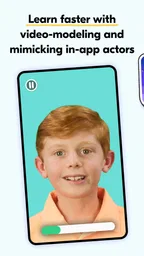
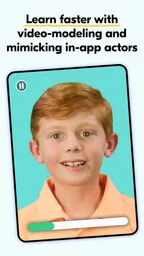
- Fun video-based activities can help keep young children engaged.
- Speech recognition offers immediate feedback during practice.
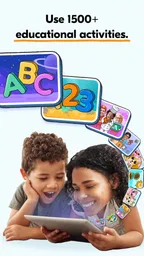
- A broad range of topics supports varied vocabulary practice.
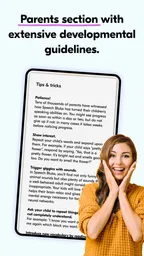
- Parent guidance can help families continue activities at home.
- Short sessions make it easier to fit practice into daily routines.
What could be better
- Speech recognition may not understand every child's pronunciation.
- The app cannot replace assessment or care from a speech therapist.
- Some activities may require an internet connection.
- A subscription may be needed to access the full activity library.
- Children may need adult help to navigate and stay focused.





