
Pregnancy App review
 Analysis by Appsdrops
Pregnancy brings a lot of new questions, and keeping track of how things are changing can quickly become part of everyday life. Pregnancy App, from Amila, is designed to give that routine a dedicated place on your phone. Its simple promise is right there in the name: track your pregnancy with a pregnancy app. I like the practical focus. Rather than asking an expecting parent to turn every day into a research project, it offers a starting point for following the journey and returning to it when needed.
A practical starting point for pregnancy tracking
The first step is straightforward: open Pregnancy App when you want to keep your pregnancy in view. The app is aimed at people who are pregnant, so its purpose is clear before you begin. That clarity matters. In a period when advice, appointments, reminders, and personal notes can all compete for attention, a single place to track the experience can make the process feel a little more organized.
I find the appeal especially easy to understand for someone who is new to pregnancy tracking. You do not need to approach it as a complex planning system; the core idea is simply to use a dedicated app to follow your pregnancy. That makes it approachable for a quick check-in as well as for someone who likes to build a regular routine around their phone. The app is free to download, which also makes trying it an easy first step.
It is worth keeping expectations grounded. Pregnancy App is a tracking app, not a substitute for a clinician, prenatal care, or personal medical advice. I would treat it as a companion for staying engaged with the process, not as the authority on a health concern. That distinction is important for any pregnancy app: a useful place to keep track of things can support your routine, while decisions about care belong with qualified professionals.
Getting into a repeatable routine
A tracking app becomes more useful when it fits naturally into the day. I would start by opening Pregnancy App at a moment that already works for me, perhaps during a quiet pause or when reviewing the week ahead. A short, repeatable check-in is more realistic than expecting to spend a long time in the app every day. The goal is to make pregnancy tracking feel manageable, not like another obligation to get perfectly right.
The app’s store summary keeps the central task broad: track your pregnancy. That gives the experience a clear direction, while leaving room for each person to decide how often they want to check in and what role an app should play in their routine. Some people enjoy a frequent digital touchpoint; others prefer to use an app occasionally and focus on conversations with their care team. Either approach can make sense, depending on personal preference.
For me, the strongest case for using a dedicated pregnancy tracking app is continuity. When you return to the same place over time, it can be easier to keep the overall experience in mind rather than treating every question as an isolated search. That does not mean the app needs to become the center of pregnancy. It simply gives the tracking habit a home on your phone, which can be helpful when life is busy.
From opening the app to making sense of the journey
The real-world flow is simple to picture: you begin with the fact that you are pregnant, open Pregnancy App, and use it as a tool for following that experience. From there, the useful outcome depends on the habit you build. A quick visit may be enough for one person, while another may prefer to make the app part of a more regular check-in. The important point is that the app is there to support tracking, rather than to dictate how someone should feel or behave.
That distinction also makes the app easier to fit around other sources of support. Pregnancy rarely happens in a digital bubble. People may speak with a midwife or doctor, share updates with a partner, or keep personal notes elsewhere. A tracking app can sit alongside those handoffs without replacing them. I would use it as one part of the picture: a convenient phone-based companion that helps keep attention on the pregnancy, while care decisions and medical questions go to the appropriate professional.
For a partner or family member, the handoff is also conversational rather than automatic: the person using the app can choose what they want to share. That is a sensible way to think about any personal pregnancy tool. The app can support an individual’s own routine, while the user remains in control of what enters family conversations or clinical discussions. I would not assume that an app itself communicates with other people or services; the practical handoff is the one the user chooses to make.
How the app fits beside care and everyday life
Pregnancy tracking can prompt useful conversations, but an app should not be treated as a diagnosis tool or a replacement for prenatal appointments. If something feels worrying, I would contact a healthcare professional instead of relying on an app to settle the question. That is not a criticism of Pregnancy App; it is a sensible boundary for digital tools in a sensitive area. A good companion app can help keep the journey present in your routine, while qualified care remains the place for individual medical guidance.
There is also a personal side to the workflow. A pregnancy can bring excitement, uncertainty, and changing priorities, sometimes all at once. A phone app cannot remove those feelings, but a dedicated tracking space may make the practical side feel less scattered. I like that the basic idea does not require a complicated explanation: open the app when you want to follow the pregnancy, then return to the rest of your day. For many people, that low-pressure approach is more appealing than adding a demanding system.
Because the app is free with in-app purchases, it is sensible to pay attention to any purchase prompts and decide for yourself whether paid options suit your needs. The listed purchase range runs from $1.99 to $100.00 per item, so I would make choices deliberately rather than treating a purchase as necessary to begin. The app’s free entry point is a useful way to see whether its approach feels comfortable before spending anything.
Where the routine can feel less seamless
The main friction is not necessarily a technical problem; it is the challenge of making any tracking habit stick. Pregnancy is already full of changes, and a new app can become one more thing competing for attention. If you forget to open it for a while, that does not mean you have failed. I would treat Pregnancy App as a flexible companion and return to it when it is helpful, rather than turning daily use into a test of commitment.
Another potential mismatch is expectation. The phrase “track your pregnancy” is clear, but people may arrive hoping for very different kinds of support. One person may want a simple way to stay engaged with the journey, while another may expect a complete source for medical information, planning, and communication. Those are not the same job. I would approach Pregnancy App for its pregnancy-tracking purpose and keep other needs, especially medical ones, in the hands of suitable professionals.
There is a broader handoff challenge, too: information in an app only helps when it leads to an action that makes sense. If you want to discuss a concern at an appointment, you still need to raise it directly. If you want a partner to understand how you are feeling, you still need to share that in your own words. The app can be part of the process, but the human conversations remain essential. Keeping that in mind prevents a digital record from feeling more complete than it really is.
Who may get the most from it
Pregnancy App is likely to suit someone who wants a dedicated app for following a pregnancy without overcomplicating the starting point. It is also a reasonable option for people who already use their phone to organize everyday life and would like pregnancy tracking to sit alongside those habits. The app is rated for Everyone, and its straightforward purpose makes it easy to understand why it has broad appeal among people looking for a pregnancy app.
Its audience size gives a sense of how widely it has been picked up: Pregnancy App has more than 10 million installs, a 4.9 average rating, and around 478,000 ratings. Those figures are encouraging, though they cannot guarantee that every person will find the app a perfect fit. I would weigh them alongside my own preferences: whether I like checking in on my phone, whether the app’s approach feels comfortable, and whether I want a simple tracking companion rather than a replacement for other support.
The app has been available since May 4, 2016, and its current version is 1.4.74. It requires Android 8.0 or later. Those details are useful if you are checking whether the app suits your device, but the more important question is how it fits your routine. A long-running app can still be a personal fit question: what matters is whether opening it feels helpful rather than burdensome.
The outcome: a companion, not the whole plan
At the end of the workflow, the best result is not a perfect streak or an app that answers every question. It is having a convenient place to return to when you want to keep track of your pregnancy. That modest role is exactly where I see the value in Pregnancy App. It can give the tracking habit a clear home, help you stay engaged with the experience, and sit beside the conversations and care that matter outside your phone.
My overall impression is that Pregnancy App is a straightforward choice for anyone looking for a pregnancy app with a clear tracking purpose. Its free download makes it easy to try, while optional in-app purchases are something to review with care. I would recommend approaching it as a personal companion: use it when it supports your routine, share information when you choose, and turn to a healthcare professional for medical advice. With those expectations in place, it can be a useful, low-pressure addition to the many ways people follow a pregnancy.
What we like
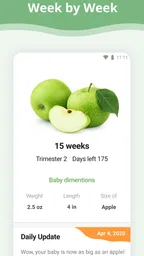
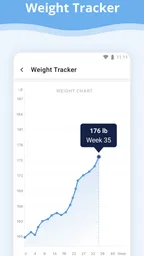
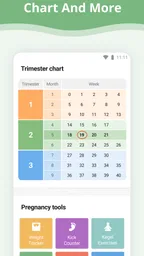
- Tracks pregnancy progress with week-by-week updates.
- Offers practical guidance for common pregnancy questions.
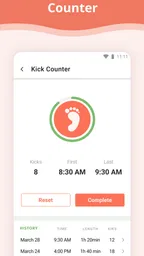
- Includes tools to monitor symptoms and appointments.
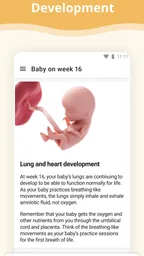
- Provides information tailored to each stage of pregnancy.
- Can help users prepare for upcoming prenatal visits.
What could be better
- Medical content is not a substitute for professional care.
- Some features may require an account or subscription.
- Personalized advice may be limited without detailed health data.
- Notifications can feel frequent or intrusive.
- Information may not reflect every pregnancy or health condition.





