Police Scanner - Live Radio review
 Analysis by Appsdrops
I can see why a live scanner app grabs attention during the first few days. A burst of radio traffic can make a local incident feel immediate, and the urge to keep listening is strong when something unusual is happening nearby. The harder question is whether that curiosity becomes a useful habit or just background noise. After looking at how Police Scanner - Live Radio fits into everyday routines, I see it as a focused listening tool: rewarding when you have a reason to tune in, but not something everyone will want open every day.
From first-week curiosity to a useful routine
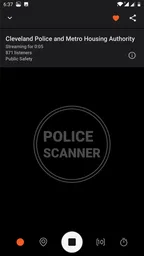
The app sits in News & Magazines, though it serves a different need from a typical headlines feed. Instead of asking you to read a summary, it lets you listen to live public-safety and related radio traffic. The developer is Police Scanner, Scanner Live Radio App, and the app’s central appeal is the sense of immediacy: you hear activity unfold rather than seeing it reduced to a short alert.
That makes the first week easy to understand. You might open it after hearing sirens nearby, during a major local event, or when severe weather has people checking on conditions. It can also suit someone who enjoys following the rhythm of a town: routine dispatches, changing activity, and the occasional moment that makes you stop what you are doing and pay attention.
One practical way to try it is to listen briefly while doing a low-attention task, then decide whether the audio is helping. I would not begin by leaving it on for an entire afternoon. Scanner traffic can be intermittent, and a quiet stretch may be followed by several rapid exchanges. Short listening sessions make it easier to tell whether you find that pattern informative or distracting.
A realistic use case is a person at home who hears emergency vehicles pass and wants more context than a neighborhood chat can provide. The app can offer a live audio perspective, but it is not a dependable substitute for an official emergency alert or a direct safety instruction. I would use it to follow general activity, not to decide whether to evacuate, avoid a road, or approach an incident.
That distinction matters because radio conversations are not written for casual listeners. They can be brief, full of shorthand, and difficult to interpret without knowing local geography or procedures. A listener may hear a unit mention a street or an incident without understanding its significance. I find the experience more useful when I treat it as context, not as a complete account.
What keeps it relevant after the novelty
The strongest case for keeping a scanner app is recurring local interest. If you regularly follow public-safety activity, local events, or weather-related response, listening can become a small part of your routine. It is less compelling if you only want a clean, confirmed explanation of what happened. For that, a news report or official update is usually easier to understand and more useful afterward.
The app has a 4.8 average from around 147,000 ratings, with roughly 18,000 written reviews, and has passed 10 million installs. Those figures suggest broad interest, but they do not tell me whether the listening style will suit you. The key personal test is whether live audio gives you useful context often enough to justify the attention it asks for.
Compared with a conventional news app, this is less polished as a source of finished information: it gives you audio activity rather than an edited article with background and confirmation. Compared with simply monitoring local social feeds, it offers a different kind of immediacy, but it can also be harder to follow. I would pair it with reliable local reporting when an event matters, rather than treating either one as a complete source on its own.
A less obvious trade-off is that being live does not always mean being clear. You may hear a fragment at precisely the moment you are curious, yet lack the context that a later report would provide. If you want to understand an incident, note what you can responsibly infer and then look for confirmation from an appropriate source. That habit helps prevent a partial transmission from turning into an overconfident conclusion.
Keeping the listening habit manageable
Scanner audio is easy to overuse because it can sit in the background. My advice is to give each session a purpose: checking local activity, following a developing weather situation, or satisfying a specific curiosity. When you have no particular reason to listen, switching it off is often the better choice. This keeps the app from becoming a stream of noise that competes with work, conversation, or rest.
It is also worth thinking about where you listen. Radio traffic may contain distressing or unsettling material, and the app is rated Teen. That rating is a useful reminder that the content is not necessarily suitable for every child or every shared setting. I would be selective about playing it around younger listeners, and I would avoid treating emergency audio as casual entertainment when people may be in danger.
For people who use the app repeatedly, a simple routine can reduce friction: listen when there is a genuine reason, stop once you have enough context, and use established news or emergency channels for decisions. That is more sustainable than keeping a live feed running all day. It also reduces the chance that you confuse ongoing radio chatter with a reliable, complete update.
Maintenance here is mostly about attention rather than elaborate setup. The app’s current version is 1.30.0-261010060, and it runs on Android 6.0 or later. Those details make it easier to judge whether an older Android device is in range, but the bigger ongoing consideration is whether the listening experience remains useful to you. The value depends less on collecting an app and more on having a real reason to return to it.
There is a free starting point, while optional in-app purchases range from $1.49 to $64.99 per item. I would try the basic experience before spending anything. The range is broad enough that it makes sense to decide what you actually want from the app first, rather than paying because the first burst of live audio feels novel. If you only open it occasionally, the free option may be all you need.
Where fatigue sets in
The main source of fatigue is the format itself. Listening requires time, and the stream may not deliver a neat beginning, middle, and end. You can miss a key detail while doing something else, or hear repeated calls without learning what happened. If you need quick, searchable summaries, scanner audio can feel inefficient compared with a local news app.
Another limitation is interpretation. Dispatch language, clipped speech, and unfamiliar place names can leave newcomers unsure of what they heard. I would not recommend it to someone who expects every transmission to be translated into plain language or verified as it happens. The app is better suited to patient listeners who accept that some moments will remain unclear.
Live emergency traffic can also encourage compulsive checking. If you notice yourself reopening the app whenever there is a siren or repeatedly listening for upsetting events, that is a good reason to step back. The app can help satisfy curiosity, but it should not become a source of constant anxiety or a replacement for official instructions during an emergency.
People who want a quiet, low-effort way to keep up with local news may be happier with written alerts and reporting. Those options are easier to scan, revisit, and compare. In contrast, a scanner is most appealing when the act of listening is itself valuable to you. I would skip it if you dislike audio that is unpredictable, hard to search, or occasionally intense.
Who should keep it installed
I can recommend it to listeners with a specific, recurring interest in local public-safety activity, especially those who are comfortable treating radio traffic as partial information. It may also be useful to someone who wants to understand the pace of local response during a developing situation, provided they verify important details elsewhere and follow official guidance.
I would be more cautious about recommending it to someone who simply wants breaking-news notifications. A scanner feed does not provide the same concise explanation as an edited report, and hearing a transmission does not guarantee that you will understand what is happening. If your priority is clarity and confirmation, local journalism or official alerts are the better everyday choice.
Police Scanner - Live Radio is free to download and carries a Teen content rating. For me, that combination makes it reasonable to explore, but not an automatic fit for every household. The app earns lasting space when you use it with intention and return for a genuine reason; it loses appeal when it becomes an always-on feed of fragments. I would try it in short sessions, keep expectations grounded, and let its continuing usefulness—not first-week excitement—decide whether it stays on your phone.
What we like
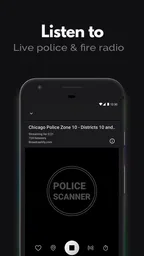
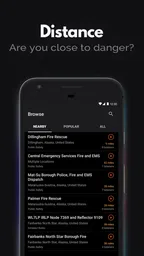
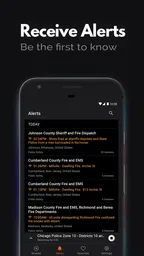
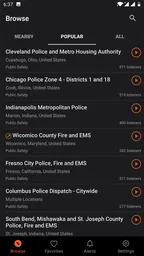
- Listen to live police and emergency radio feeds from many locations.
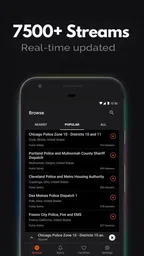
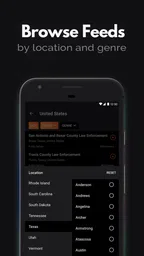
- Browse available feeds by region to find nearby coverage.
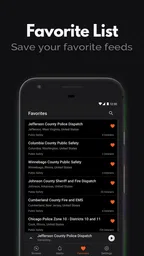
- Save favorite feeds for quicker access later.
- A simple interface makes it easy to start listening.
- Live audio can offer a sense of local emergency activity.
What could be better
- Feed availability varies by location and may be limited nearby.
- Audio can be delayed and is not suitable for urgent safety decisions.
- Some feeds may be offline or temporarily unavailable.
- Radio chatter can be difficult to understand without context.
- Listening for long periods may use significant mobile data.





