


Oremus - Catholic Bible&Prayer review
 Analysis by Appsdrops
The most useful way to think about Oremus is as a Catholic prayer companion built around a daily rhythm, rather than simply a digital Bible. It brings Scripture and devotional practices into one app, which can make it easier to move from reading a passage to setting aside a few minutes for prayer. I like that focus: it gives the app a clear purpose without asking it to replace every book, prayer book, or parish resource someone might already use.
A daily rhythm built around Catholic prayer
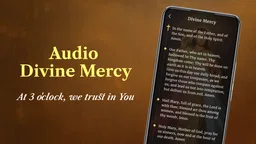
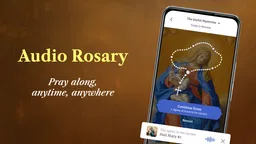
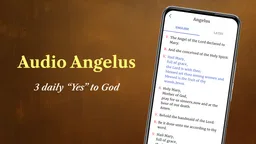
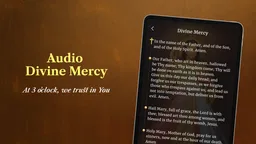
The central appeal is the combination of Bible reading with daily Gospel material, the rosary, Mass-related content, audio devotionals, and a liturgical calendar. These parts speak to different moments in a Catholic’s day. Scripture can support quiet reading; an audio devotional may suit a walk or a household task; the calendar can help connect a particular day with the Church’s cycle of observance.
That combination matters more than a long menu of unrelated tools. If I open an app intending to pray, I do not necessarily want to search through a general-purpose reading platform, then switch to a separate prayer resource, and finally look elsewhere to understand the day. Oremus is designed to keep those activities close together. Its strongest idea is continuity: one devotional moment can lead naturally into another.
This is still a reference app, not a substitute for attending Mass, speaking with a priest, or using a printed Bible when that is what a situation calls for. I would treat it as a convenient companion for personal practice. Its value is in making familiar Catholic material easier to reach during ordinary gaps in the day, not in making prayer automatic or turning religious life into a checklist.
From a passage to a practical prayer routine
In practice, the daily Gospel is a sensible starting point when I want a short, focused reading rather than an open-ended study session. A useful habit is to read the passage once for its basic meaning, pause, and then choose a prayer activity that fits the time available. The rosary is there for a longer, structured period; an audio devotional can be more suitable when sitting down with a screen is inconvenient.
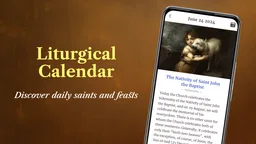
The liturgical calendar adds context that a plain reading app often leaves to the user. It can help someone notice that the day belongs to a particular point in the Church year and approach prayer with that in mind. I would check the calendar before settling into a routine, especially if I am trying to follow the seasons and observances rather than reading Scripture without regard to the date.
One practical tip is to decide on the session before opening the app: “I have a few minutes for the Gospel,” or “I want time for the rosary.” That small choice helps prevent a devotional app from becoming another screen to browse without direction. Oremus’s range is most useful when it supports an intention, not when I expect the app itself to choose one for me.
Audio changes the experience in a specific way. It can make devotional material available when my hands or eyes are occupied, but it is not automatically the best format for every prayer. If I need to follow a passage closely, reflect on a phrase, or pray without background noise, reading quietly may work better. I see audio as an alternative for certain moments, not a universal upgrade over text.
Where the app fits into an ordinary day
A realistic use case is a short morning pause before work or school. I can check the day’s Gospel, spend a few minutes with the reading, and choose whether I have time for a longer prayer. If the morning is rushed, the app’s devotional and audio emphasis offers a way to keep a small religious practice present without requiring a full study setup. Later, the calendar can help me understand the day’s place in the liturgical cycle.
Another good fit is a person who already prays regularly but finds that the materials are scattered. Keeping Bible reading, the rosary, Mass-related resources, and devotional listening within one app may reduce the friction of deciding where to go next. That is a modest benefit, but it can matter: routines often fail because beginning takes too many steps, not because someone lacks good intentions.
For newcomers, the same breadth can be welcoming, provided they approach it patiently. I would start with one element, such as the daily Gospel, rather than trying to use every part at once. A simple routine is easier to sustain and gives a new user a chance to learn what kind of prayer is personally helpful. The app supplies options; the user still needs to choose a pace and a practice.
It can also suit someone who wants Catholic devotional material close at hand while travelling or waiting between appointments. However, I would not assume that every part works offline just because the app’s developer is Bíblia Offline. The name signals an emphasis, but the safe approach is to check the specific content and prepare anything needed before relying on it away from a connection. For travel, testing access in advance is more useful than discovering a limitation mid-journey.
What it does well—and where the trade-offs appear
Oremus is a free Books & Reference app from Bíblia Offline, with optional in-app purchases priced from $1.99 to $29.99 per item. That means I would begin with the free experience and decide whether any paid option is worthwhile only after seeing how often I use the app. The presence of purchases does not mean every user needs them; it does mean people who prefer a completely purchase-free experience should pay attention to what is offered inside.
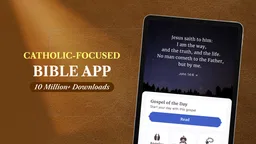
The app is rated for Everyone and has reached over 10 million installs. Its average rating is 4.9 from around 973,000 ratings, with about 6,600 written reviews. Those figures suggest broad interest and strong user approval, but they cannot tell me whether its particular approach suits someone who wants deep Bible study, a very plain reader, or a specific devotional tradition. I would use them as context, not as a replacement for considering my own needs.
The main trade-off is breadth versus depth. Bringing several devotional activities together is convenient, but people who want a specialized study environment may prefer a dedicated Bible tool with the exact reading, annotation, or research workflow they value. Likewise, someone who wants only a simple text reader may find the prayer-centered range unnecessary. Oremus makes most sense when the Catholic devotional mix is the point.
There is also a difference between having many prayer options and having a well-established personal routine. An app can lower the effort needed to begin, but it cannot guarantee attention or reflection. I would resist treating daily content as something to race through. If a passage raises a question, pausing to consult a trusted Bible edition or ask a knowledgeable person may be more valuable than moving immediately to the next in-app activity.
Oremus is on version 1.7.1 and requires Android 7.0 or later. That makes the Android requirement worth checking before installing on an older device. The release date is April 12, 2024, but what matters more to me as a user is whether the app runs comfortably on my own phone and whether its text and audio formats suit my habits. I would test those basics early, before building a daily routine around it.
Who is most likely to benefit
I would recommend Oremus to Catholics who want one convenient place to turn for a Gospel reading and several familiar forms of prayer. It is especially appealing to someone trying to make a small daily practice more dependable, or to a regular churchgoer who would rather not keep separate digital resources for Scripture, the rosary, and devotional listening.
It is less suited to readers whose main goal is detailed biblical research, extensive personal annotation, or a minimalist reading interface. It may also be the wrong choice for someone who prefers a physical prayer book, wants every part of a routine to work without checking connectivity, or is uncomfortable with optional purchases in a free app. Those preferences are not flaws; they simply point toward a different kind of resource.
For an interested beginner, my advice is to choose one daily anchor and let the other features remain optional. For an experienced user, the useful question is whether bringing these practices together saves enough effort to justify another app on the phone. The answer will depend on whether the calendar, audio devotionals, and prayer materials are things you will genuinely return to, rather than features that merely look comprehensive at first glance.
My recommendation
Oremus earns its place by organizing Catholic prayer around a practical daily entry point: Scripture, supported by devotional choices that can fit different amounts of time and attention. I find that more compelling than an app that simply offers a large library without helping users connect reading to practice. Its best use is steady and modest—a passage, a moment of prayer, and perhaps a longer devotional session when the day allows.
With version 1.7.1, a 4.9 average rating, and a free starting point, it is easy to understand why many people have tried it. I would still approach it as a companion rather than a complete religious resource, and I would check how its formats and optional purchases fit my own preferences. If you want Catholic Scripture and prayer practices gathered into a single routine-friendly app, it is worth trying; if you want a specialized study tool or a bare-bones Bible reader, a more focused alternative may serve you better.
What we like
- Includes Catholic Bible translations with deuterocanonical books.
- Combines Scripture reading with prayer resources in one app.
- Useful for building a consistent daily prayer routine.
- Catholic-focused content makes relevant prayers easier to find.
- Can support personal reflection alongside Bible study.
What could be better
- Some features may require an internet connection.
- The range of translations may be limited for some readers.
- Daily reminders can feel intrusive if notifications are enabled.
- New users may need time to explore the available resources.
- Content depth may not meet the needs of advanced Bible scholars.





