





Kikoff - Build Credit Quickly review
 Analysis by Appsdrops
When I want to build credit, the hard part is often not understanding the goal; it is finding a manageable way to start without taking on debt I can’t comfortably repay. Kikoff is a finance app designed around that problem. Its pitch is a credit-building route without a credit check, interest, or hidden fees, which makes it worth considering if traditional credit products feel like too much of a commitment. I’d approach it as one tool in a longer routine, not a shortcut to a particular score or a replacement for careful money habits.
From a thin credit file to a practical first step
The app is made by Kikoff Inc. and sits in the personal finance space, with a focused purpose rather than the broad budgeting and banking toolkit some people expect from a finance app. It is free to download, rated for Everyone, and has an average rating of 4.8 from around 138,000 ratings. More than five million installs suggest it has reached a large audience, though popularity alone cannot tell you whether its approach fits your circumstances.
I can see the appeal for someone with little credit history, someone trying to establish a steadier track record, or a person who wants to explore credit building without beginning with a conventional card application. The absence of a credit check in its stated approach may lower the barrier to getting started. Still, “no credit check” should not be confused with “no need to read the terms”: before committing to any credit-related product, I would make sure I understand what I’m agreeing to and how the service is intended to work.
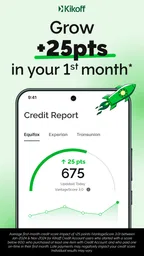
The most useful mindset is to define the outcome modestly. I would not open the app expecting an instant score change or a guaranteed result. Credit history develops over time, and lenders may weigh information differently. Instead, I’d treat Kikoff as a structured habit: understand the steps, follow them consistently, and check whether the experience remains affordable and easy to maintain.
Setting up with the right expectations
Before starting, I’d gather the personal details I usually need when setting up a financial service and make sure they are accurate. Small mismatches in identity information can create frustrating delays across financial accounts, so it is sensible to check spelling and other details rather than rushing through setup. I’d also decide where this commitment fits alongside existing bills and credit accounts. The goal is to add a manageable routine, not create another obligation that competes with essentials.
One practical tip is to set a calendar reminder for the day I plan to review the app and any associated account activity. That reminder is useful even if the process itself is simple: it turns credit building from a vague intention into something I actually revisit. I would keep the app’s role clear, too. It is not a general-purpose spending tracker, so I would continue using a budget or banking tool if I needed a complete picture of household cash flow.
Following the workflow without rushing
Once I’m in, I’d move through the instructions one screen at a time and pause at any point where the app asks me to make a choice or accept terms. I would look for the exact obligations, the timing, and the steps required to keep the arrangement in good standing. That careful read matters more than tapping through quickly, particularly for a service connected to credit history.
After setup, the sensible routine is to check in periodically rather than obsessively. I’d confirm that the account remains in the state I expect, note any action the app asks me to take, and keep my own records of important dates. A simple personal note with the date I enrolled and when I last reviewed the account can help if I later need to retrace what happened. This is not glamorous, but it is a useful safeguard when a financial app becomes part of a monthly routine.
For example, imagine I’m rebuilding after a period when I had little access to credit. I could review Kikoff after payday, make sure the plan still fits my budget, and then leave the rest of the month for rent, utilities, and existing obligations. That workflow keeps credit building in proportion. If a service requires more attention or money than I can spare, it is better to reconsider than to keep going just because I have already started.
Where the app hands off to the rest of your finances
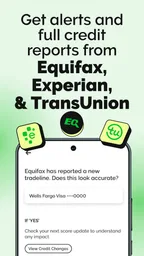
A credit-building app cannot do the whole job by itself. The result depends on the account’s actual terms and how information is handled across the relevant financial systems, so I would read Kikoff’s in-app explanations carefully and avoid assuming that every lender will interpret a credit profile in the same way. If a credit report or score is part of my broader plan, I’d use an appropriate report-checking service separately and compare the information over time rather than relying on one app screen as the complete picture.
This handoff is where expectations can drift. People often want a single dashboard to show that a financial decision has “worked,” but credit reporting and lender decisions involve more than one service. If I saw a delay or an unexpected result, I’d first check the account status and instructions in Kikoff, then use the relevant support or reporting channel to clarify the next step. I would not open several new products in response to a result that takes longer than expected; that can add complexity without solving the original issue.
Compared with a secured credit card, Kikoff may feel less like a conventional spending tool: a secured card is often chosen by people who want to make purchases and manage a card balance while building history. A credit-builder loan can also follow a different structure, with scheduled payments tied to a loan arrangement. Those options may suit someone who wants a familiar card or loan format and has the means to manage it. Kikoff is more appealing to a person seeking a focused, app-based starting point, provided its particular terms match what they need.
What a useful result looks like
I would judge success less by a dramatic short-term number and more by whether I can keep the routine clear and sustainable. The practical payoff is having a defined next step instead of putting off credit building because every alternative feels confusing. The app’s free price removes a download cost, but I would still distinguish that from the terms of any financial product or service inside the experience. “Free app” is not a reason to skip the details of an agreement.
Kikoff’s current version is 1.189.3738, and it supports Android 7.0 and later. It was released on March 25, 2021, so it has been available for several years. That history and its sizeable user base may reassure someone who prefers an established service, but neither proves that an individual’s credit outcome will be the same as another user’s. I’d use the app’s current instructions as the authority for the workflow rather than relying on old advice from someone who enrolled under different circumstances.
For a person starting with a thin file, the best outcome may simply be gaining confidence about what to do next and maintaining a consistent habit. Someone with a more specific goal—such as needing a particular lender’s requirements met by a certain date—should check those requirements directly. A credit-building app can support preparation, but it cannot promise approval or dictate how an outside lender evaluates an application.
Where the routine can break down
The main friction is that a focused credit tool may feel limited if I expect a full finance hub. It will not replace a budget, bill calendar, or bank account management routine. I’d skip it if what I really need is help controlling daily spending, comparing all my credit reports in one place, or getting a conventional card for purchases. In those situations, a budgeting app, a report-monitoring service, or a carefully chosen secured card may be a better match.
Another possible snag is impatience. Credit history is not something I can reliably rush, and checking for immediate movement can make a measured process feel like failure. I’d give the routine time, keep expectations realistic, and avoid treating a rating or an app’s progress indicator as a substitute for reviewing my actual financial records. If the service’s terms or required steps do not fit my budget, I would stop and compare alternatives rather than forcing the plan.
I’d also be cautious about choosing any credit product solely because it advertises an easy entry point. The useful questions are whether I understand the obligations, whether I can maintain them alongside my other bills, and whether the approach suits my particular credit goal. Kikoff’s stated lack of a credit check, interest, and hidden fees is attractive, but I would still verify the terms presented during enrollment and keep a copy of anything important for my records.
Who I’d recommend it to
I’d recommend Kikoff to someone who wants a straightforward, app-centered way to begin working on credit and is willing to follow the process patiently. Its narrow focus can be a strength: there is less temptation to confuse the task with general budgeting or everyday spending. It may also be a reasonable option for people who want to explore credit building without starting with a standard credit-card application.
I would not recommend it as a guaranteed fix, a fast route to a specific score, or the only tool for managing money. If I already have a credit product that fits my goals and I’m managing it responsibly, adding another service may bring little value. If I need to borrow for an urgent expense, credit building is not a substitute for comparing borrowing costs and understanding repayment obligations. And if I want broad account aggregation or detailed spending analysis, I’d choose a different kind of finance app.
Overall, I see Kikoff as a focused starting point rather than a complete credit strategy. Its strong store rating and large audience make it easy to understand why people consider it, but the best reason to try it is that its workflow and terms fit your situation. I’d read everything during setup, keep the commitment within my budget, and review progress at a sensible pace. If those conditions hold, it can make the first steps feel more approachable; if they don’t, a secured card, a credit-builder loan, or simply getting clearer on existing accounts may be the better move.
What we like
- No hard credit inquiry is required to open a Kikoff credit account.
- The basic credit-building account has no monthly fee.
- Payments are reported to major credit bureaus.
- A secured credit line can help build payment history.
- The app includes credit monitoring tools.
What could be better
- Kikoff products are not available in every state.
- Credit score changes are not guaranteed.
- Some features require a paid subscription.
- The credit line can only be used for eligible Kikoff purchases.
- Late payments may hurt your credit history.





