
FloatMe: Fast Cash Advance App review
 Analysis by Appsdrops
FloatMe is built for a narrow but familiar problem: a bill is due before payday, and waiting for your next paycheck is not an option. I see it as a short-term cash-flow tool, not a way to make an income stretch indefinitely. That distinction matters. An advance may help smooth a timing gap, but it still has to fit into the budget that follows.
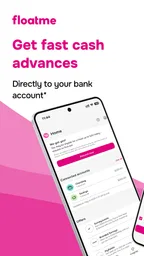
As a finance app developed by FloatMe, FloatMe is free to download and intended for everyone. Its central appeal is access to cash advances without interest or a credit check. That can make it worth considering for someone who needs a small bridge and wants to avoid borrowing through a conventional credit product. It should not be mistaken for a general budgeting app or a replacement for savings.
What the current version is for
The app’s current version is 8.28.0, and the product has been available since October 4, 2018. That history makes it an established option in the cash-advance space, though an app version number alone does not tell me what has changed or how the service works behind the scenes. The practical question is whether its basic role matches your situation: help with a temporary shortfall before payday.
FloatMe has a 4.5 average from around 81,000 ratings, with about 21,000 written reviews and over 1 million installs. Those figures suggest that many people have tried it and that the overall reception is favorable, but they cannot predict whether an individual request will suit your circumstances. I would treat the app’s broad popularity as context, not as a guarantee of access or a substitute for checking the terms shown to you.
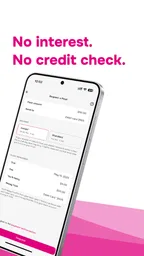
The no-interest, no-credit-check angle is relevant if you do not want a conventional credit inquiry or are trying to avoid interest-bearing debt. But “no interest” should not be read as “no conditions” or “free in every practical sense.” Before relying on an advance, read the in-app explanations carefully, including any timing, eligibility, repayment, or optional-service details presented during setup. A clear understanding of what will happen next is more useful than focusing on a headline promise.
A sensible way to use an advance
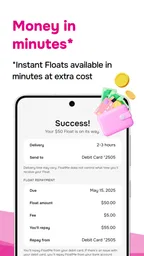
I would reserve FloatMe for a specific, near-term need rather than treating available cash as extra spending money. For example, if a necessary bill comes due a few days before your pay arrives, an advance might help prevent a late payment or an overdraft, provided you can repay it without leaving yourself short again. The key is to plan the repayment before taking the money: write down the amount, the expected paycheck date, and the essential expenses that paycheck must cover.
That simple check can expose a problem early. If the next paycheck is already committed to rent, utilities, groceries, and transportation, borrowing against it may only move the shortfall forward. In that case, contacting the bill provider to ask about a different due date or payment arrangement may be safer. I would not use a cash advance to cover a recurring gap that appears every pay cycle; that points to a budget or income mismatch that a short-term app cannot solve.
One useful habit is to decide the reason for an advance before opening the app. “I need to cover this specific essential expense” is a more disciplined test than “I have room to take some cash.” It also makes it easier to judge whether the amount requested is proportionate. If the need is larger than a short bridge can reasonably address, a longer-term solution, such as a structured payment plan or help from a qualified financial counselor, may be more appropriate.
How it differs from common alternatives
Compared with a credit card cash advance or a high-cost short-term loan, FloatMe’s stated lack of interest and credit checks may appeal to people who want to avoid those particular drawbacks. A bank overdraft, on the other hand, may already be available but can carry fees or other consequences depending on the account. The right comparison is not simply which option puts money in reach fastest; it is the full cost, repayment timing, and risk of creating another shortfall.
For a predictable expense that can wait, a savings buffer is usually the cleaner option because it avoids borrowing from future income. If your employer offers a formal paycheck-advance program, compare its terms and timing rather than assuming one route is automatically better. And if your need is ongoing, a credit union or nonprofit financial counselor may be better placed to discuss sustainable options than an app designed around a temporary cash gap.
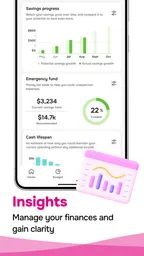
I also would not compare FloatMe with a full personal-finance manager as though they solve the same problem. A budgeting tool can help track categories and plan monthly spending; this app’s defining purpose is access to a cash advance. If you want a complete picture of bills, savings goals, and spending habits, you may need a separate budgeting approach alongside it.
What the version history can—and cannot—tell you
The move to version 8.28.0 shows that the app is being maintained as a current product, while its release date establishes that it has been around for several years. That is useful context for someone wary of a brand-new financial app. Still, I would not infer a particular feature, policy change, or improvement from the version number alone. The current facts establish the version and the app’s general purpose, not a detailed changelog.
For existing users, the most practical approach is to review the screens and terms inside the app after an update, especially before requesting an advance. Financial products can change their flows and explanations over time, and a familiar interface should not encourage you to skip a fresh look at repayment details. If an update changes how an option is presented, rely on the current in-app wording rather than on memory or an old review.
The product’s basic promise remains easy to understand: it aims to help users handle a short stretch before payday without interest or a credit check. What matters day to day is whether you are eligible, what the app offers for your situation, and whether the repayment fits your next paycheck. Those are individual decisions, so I would treat the app as a possible tool—not as guaranteed emergency funding.
Points I would check before relying on it
First, work out when you need the money and when you can realistically repay it. The gap between those dates is more important than the convenience of seeing an advance option. If the timing is uncertain, or your income varies, build in room for essentials rather than assuming the next deposit will cover everything.
Second, read every cost and service explanation shown during the process. The absence of interest does not answer every question a cautious user should ask. Look for any disclosed fees, optional services, or conditions attached to the amount and timing available to you. Make the choice based on what is actually displayed for your account, not on a general impression that all cash advances work alike.
Third, keep a simple record of the advance and its effect on your budget. Even a note in your calendar can remind you that a portion of the next paycheck is already spoken for. This is a small but important workflow: it prevents the app from feeling like a separate pool of money and keeps the upcoming repayment visible alongside rent, groceries, and other priorities.
Who will benefit, and who should skip it
I can see FloatMe being useful for someone with steady income who has a one-off timing mismatch, understands the repayment impact, and has checked the terms before proceeding. It may also be worth exploring for a person who wants to avoid an interest-bearing option or a credit check, as long as they do not assume that access is automatic.
I would skip it if you need a large amount, have no reliable way to repay, or are using advances repeatedly to cover ordinary monthly expenses. It is also not the right answer if what you really need is a spending plan, debt restructuring, or help negotiating bills. In those cases, borrowing against the next paycheck may make the immediate moment easier while leaving the underlying problem untouched.
My overall view is that FloatMe has a clear and potentially useful niche, but its best use is deliberately limited. Its 4.5 average and broad adoption make it a familiar option to evaluate, not a promise that it will be the best fit for everyone. I would install it only with a specific expense in mind, read the current terms closely, and decide in advance how repayment will affect the next paycheck. If that plan works on paper, it may help bridge a short gap; if it does not, I would look for a solution that addresses the cash-flow problem more directly.
What to watch as you use it
For current and future users, I would watch for clear explanations of eligibility, timing, repayment, and any costs or optional services in the app itself. Those details matter more than a new version number when deciding whether an advance is suitable. FloatMe’s version 8.28.0 is the current release identified here, but the number is not evidence of a specific feature change. I would judge future updates by whether they make the choices and consequences easier to understand.
That is also how I would assess the app’s longer-term usefulness. If it helps you handle an occasional timing problem and you can repay without sacrificing essentials, it has served a practical purpose. If using it becomes routine, treat that pattern as a signal to revisit bill dates, spending, income, or available support. A cash-advance app can provide a bridge; it cannot make an unstable budget stable by itself.
Overall, FloatMe is best approached as a focused emergency cushion for a temporary mismatch, with careful attention to repayment and the terms shown in your own account. I would consider it when the need is specific and the plan is realistic, but I would choose savings, a payment arrangement, or financial guidance when the shortfall is recurring or too large to bridge safely.
What we like
- The app offers a quick way to request a small cash advance.
- A clear repayment date can make planning easier.
- Eligibility checks can help users see available advance options.
- Automatic repayment can reduce the chance of missing a due date.
- The interface is designed to make account details easy to review.
What could be better
- Advances are subject to approval and may not be available to every user.
- A subscription fee may apply for access to membership features.
- Repayment is generally collected automatically from a linked account.
- The advance limit may be too low for larger emergency expenses.
- Users may need to link a bank account to use the service.





