



FantacyStory: novels, fictions review
 Analysis by Appsdrops
I would give FantacyStory a fair trial if I were looking for serialized fiction to read in small pockets of the day. Its appeal is easy to understand: open a reading app, browse for a story, and have something ready for a commute, a lunch break, or the few minutes before sleep. The harder question is whether that routine stays enjoyable once the initial excitement of discovering new novels wears off. For me, that depends less on the promise of a huge library than on whether you enjoy exploring stories and can be comfortable with a reading experience that may invite ongoing spending.
What makes the first week appealing
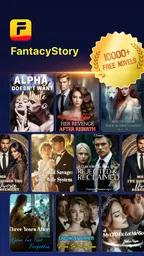
This is a Books & Reference app from Novel Studio, built around fiction rather than reference material or the broad mix of books you might expect from a general ebook reader. The store summary promises a large selection and open-ended reading; I would treat that as a sign of the app’s intended appeal, not a guarantee that every reader will find a favorite immediately. A wide pool of novels can make browsing feel like part of the entertainment, especially if you arrive without a particular title in mind.
That discovery-first approach is a good fit for readers who like sampling genres and following a story in short sessions. Instead of choosing one book in advance and committing to it, you can approach the app as a place to look for your next serial. In the first few days, that sense of possibility can be refreshing: a story that does not suit your mood does not have to define your whole reading experience.
There is also a useful distinction between this kind of fiction app and a conventional ebook library. A traditional reader is often best when you already know which book you want, own a collection, or need dependable tools for reading long-form text. FantacyStory is more compelling if you want to browse and discover fiction inside one dedicated app. If your reading habits center on a carefully curated personal library, that difference may feel like a limitation rather than a benefit.
The app is free to install, with in-app purchases ranging from $1.99 to $49.99 per item. That makes it easy to try without paying upfront, but I would not confuse free entry with an assurance that every reading path will remain free. Before settling into a serial, check how its continued reading works and whether the costs suit your budget. For someone who wants a predictable, one-time purchase for a complete book, a conventional ebook store may be the more comfortable choice.
One practical way to test the app is to sample more than one kind of story before getting attached to a single series. Give each a little time, notice whether its tone and pacing suit you, and then decide where to spend your attention. This avoids the common trap of judging a whole fiction app by one opening chapter. It also helps answer the question that matters most in the first week: does browsing lead you to stories you genuinely want to return to?
Make discovery work for your reading habits
I would use the first few sessions to identify the kinds of fiction I actually finish, not just the ones whose descriptions sound exciting. If you have a short daily break, a story that is easy to pick up and resume may serve you better than one that demands a long uninterrupted stretch. If you prefer to read for an hour at a time, pay attention to whether the app’s story presentation feels comfortable over a longer session. Those are personal-fit tests, not features to assume from a catalog’s size.
A small but useful habit is to stop browsing once you have found a story you want to continue. Endless searching can make a large selection feel like work: you spend your reading time comparing possibilities instead of reading. I would shortlist a couple of promising stories, choose one for the week, and return to browsing only when it no longer holds my attention. That simple boundary can make a discovery-oriented app feel more like a reading companion and less like a feed competing for your focus.
Does it keep earning a place after the novelty?
A rating of 4.6 from around 74,000 ratings and more than 1 million installs suggests that many readers have tried it and responded positively. That is useful context, but it cannot tell me whether the stories match your tastes or whether you will enjoy the payment model. I would read those figures as a reason to consider giving the app a chance, not as proof that it will become your regular reader.
Month to month, the strongest reason to keep it installed is a reliable reading habit. For example, imagine taking the same train each weekday: you could use the ride to read a few portions of one ongoing novel instead of reopening a news feed or scrolling through unrelated recommendations. The routine gives a serial a chance to build momentum, while the dedicated fiction focus makes it easier to keep reading rather than switch among unrelated media.
The trade-off is that a serial needs to earn your return. A book you can finish at your own pace has a clear endpoint; an ongoing story can keep asking for another visit. If you like that anticipation, it can be a welcome reason to read regularly. If you dislike waiting, prefer complete books, or find it frustrating to stop at a point chosen by the story’s release or access structure, a standard ebook reader may fit better.
For readers who rotate between several novels, I would be deliberate about avoiding a pileup of unfinished stories. Pick one main read and perhaps one backup for a different mood. When a story loses its pull, pause it rather than feeling obliged to catch up. This is a practical way to preserve the app’s value over time: the goal is not to consume the largest possible number of titles, but to keep a few reading choices that you are happy to revisit.
The app’s audience is also worth considering. It carries an Everyone 10+ age rating, so it is not positioned as content exclusively for adults. Families should still make story choices with the individual reader in mind, rather than treating an age label as a substitute for checking whether a particular novel feels suitable. That is especially sensible in a fiction catalog where readers may encounter a variety of themes and styles.
The upkeep is mostly about attention and spending
FantacyStory does not demand the kind of maintenance associated with a tool you must configure, update manually, or organize into a personal archive. Its ongoing cost is more about attention: deciding what to read, keeping track of stories you care about, and noticing when browsing starts replacing reading. If you like discovering new fiction, that light curation can be enjoyable. If you want an app that simply opens to a known book and stays out of the way, the discovery side may feel like extra effort.
Spending deserves the same kind of routine check. Since the app offers purchases at several price points, I would decide in advance what a story is worth to me and avoid buying more simply because I have already invested time in it. A useful rule is to assess each novel before continuing: am I paying because I want the next part, or because stopping feels like wasting what I have already read? If it is the second reason, taking a break is usually the better choice.
That approach also answers a common concern about trying a free fiction app: you can explore the experience without committing to a purchase, but you should pay attention to the point at which a particular reading path asks for money. I would not assume that every title or every continuation has the same terms. Check the in-app details for the story you choose, then decide whether the value makes sense for your own pace and budget.
Keeping the app is a separate decision from paying inside it. You may find that it is useful to have even if you read only occasionally, provided browsing remains pleasant and it gives you access to stories you cannot easily replace elsewhere. On the other hand, if you repeatedly open it, spend time searching, and leave without reading, it may not deserve a permanent place on your home screen. A reading app earns space through actual pages read, not through the size of its promise.
Where reading fatigue can set in
The biggest risk for me is not that a fiction app has too little to do, but that too many choices and ongoing stories can dilute attention. The novelty of exploring a large selection fades when every session becomes another search for something better. That is why choosing a story and giving it a fair chance matters. It turns a potentially tiring browsing loop into a simple habit with a clear purpose.
Another possible source of fatigue is the structure of serialized reading itself. Readers who enjoy cliffhangers and gradual development may find the format motivating; readers who want a complete arc before investing their time may feel held at a distance. Before making a story your daily read, consider whether you enjoy returning to an unfinished narrative. If you would rather choose a book, read at your own speed, and reach an ending without interruptions, a standard ebook collection is likely a better match.
There is also a difference between “unlimited” as an inviting idea and unlimited as a personal experience. A broad catalog does not automatically mean that the right book is easy to find, nor does it erase the cost of in-app purchases. I would judge value by how often I find fiction I want to continue and whether the way it is offered feels fair to me. That is a more grounded test than expecting every title to be equally appealing or every reading session to be free of friction.
Version 3.2.5 requires Android 7.0 or later, so an older device below that minimum will not be suitable. If your phone meets the requirement, the next question is less about technical capability than reading comfort: can you comfortably read on that screen, and does the app fit your preferred pace? A good fit should make it easy to return to a story without turning every short break into another round of browsing.
Who should keep it, and who should move on
I would recommend giving FantacyStory a try if you enjoy discovering fiction, are happy to read through a dedicated story app, and like the momentum of following novels over multiple sessions. It is especially suited to readers who want something to dip into during regular gaps in the day and who are willing to be selective about what they start. The free download lowers the barrier to trying that routine, while a little care around purchases helps keep it under your control.
I would skip it if you mainly want a polished shelf of books you already own, a clear one-time price for each complete title, or a reading experience built around finishing books without serial-style commitment. It may also be the wrong fit if browsing drains your energy or if you prefer to avoid in-app purchases altogether. In those cases, a conventional ebook reader or library service will better support a settled reading list and a more predictable sense of cost.
For a reader deciding between this and a general book app, I would ask one question: do you want to find fiction here, or do you want to bring a chosen book here? FantacyStory makes more sense for the first. A general reader is usually more practical for the second, especially if you already have a preferred source for books and value a stable personal collection. Neither approach is automatically better; the right one depends on whether discovery or ownership is the main part of reading you enjoy.
My long-term verdict is cautiously positive. FantacyStory has a clear role for readers who want an ongoing supply of fiction to explore, and its strong rating and broad reach make it worth considering. But it earns lasting space only if you find stories you genuinely return to and remain comfortable with the way purchases fit into that routine. Try it with one or two carefully chosen novels, set a sensible spending boundary, and judge it by whether it makes your ordinary reading breaks better. If it does, keep it. If it turns into a search habit without much reading, you can let it go without feeling you missed out.
What we like
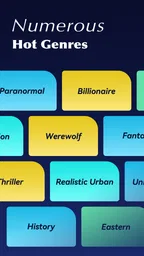
- A broad range of fiction genres helps readers find stories to suit their tastes.
- Personalized recommendations can make discovering new novels easier.
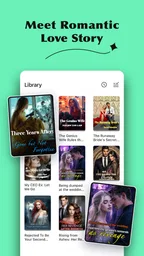
- Reading progress tracking helps you pick up where you left off.
- A clean reading layout keeps the focus on the story.
- Regularly updated content can give readers fresh stories to explore.
What could be better
- The quality of writing may vary between stories.
- Some novels may require paid chapters to continue reading.
- Frequent notifications can become distracting.
- A stable internet connection may be needed to access new content.
- The available catalog may differ by language or region.





