
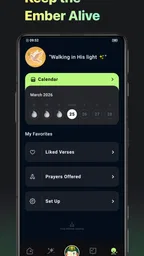
Ember: Walk With God review
 Analysis by Appsdrops
I would reach for Ember: Walk With God when I want a small, focused way to engage with Scripture rather than another app that tries to organize my entire spiritual life. Its mix of Bible reading, prayer, and quiz-style learning gives it a clear purpose: helping faith fit into ordinary pauses in the day. The important caveat is that these activities may feel different when a connection is weak, so I would treat it as a useful companion rather than assume every part is ready whenever my phone is.
What the experience is built around
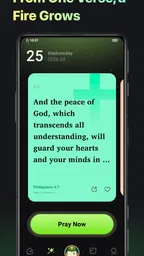
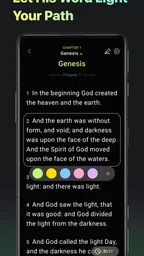
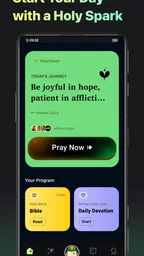
Ember is a free Books & Reference app from WiseWakeTech, with a general-audience age rating. Its central combination is practical: Scripture gives you material to read, prayer makes room for personal reflection, and quizzes offer a more active way to revisit what you have encountered. I like that these elements point toward different kinds of attention instead of making the app solely a reading library or solely a devotional prompt.
That combination also shapes who is likely to enjoy it. If you already want a brief daily rhythm—read a passage, pause to pray, then test what stayed with you—the format makes sense. If you mainly need a comprehensive study tool with extensive reference works, detailed translation comparisons, or a large set of research aids, I would look at a specialist Bible study app instead. Ember’s appeal is its approachable scope, not an implied promise to replace every resource.
The app has a 4.5 average from around 2,700 ratings, and it has passed 100,000 installs. Those figures suggest that it has found an audience, but they do not tell me whether its particular approach suits an individual reader. I would use them as background, then judge the app by whether its reading, prayer, and quiz elements fit the way I actually make time for faith.
Reading and reflection in the same routine
A helpful way to use Ember is to keep the three activities connected rather than treating them as separate destinations. After reading, I can take a moment to formulate a prayer in response to what stood out; a quiz can then turn a quick look into a more attentive revisit. That sequence is a practical suggestion, not a claim that the app automatically links one activity to another. The value comes from bringing the pieces together intentionally.
For example, during a quiet moment before the day starts, I might read first and avoid jumping straight to the quiz. Then I can note a thought or question for prayer before checking what I remember. This order helps the quiz serve as a prompt for attention instead of making the experience feel like a score-chasing exercise. It is a small distinction, but it can make a faith app feel more reflective and less like another task list.
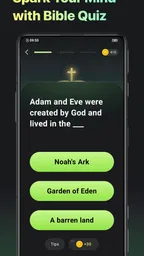
Another useful approach is to use the quiz when concentration is limited. A short interactive exercise can be easier to begin than an open-ended reading session, especially during a spare break. I would still return to the Scripture itself when I want context: a quiz can reinforce recall, but it should not become a substitute for reading a passage thoughtfully or checking its surrounding meaning.
When the network becomes part of the experience
Connectivity matters most when I am trying to begin an activity at a particular moment. A strong connection is the sensible choice if I want to open the app and move directly into reading, prayer, or a quiz without troubleshooting. On a commute, in a basement room, or while moving between networks, I would avoid assuming that every screen or resource will behave the same way. The safest plan is to open Ember while the connection is reliable and see whether the material I want is available before I depend on it elsewhere.
This matters for a realistic daily routine. Imagine having a few minutes between appointments and wanting to use them for a reading and prayer. If the phone has a stable signal, Ember’s focused mix may suit that pause well. If the signal is dropping in and out, I would not make the app the only plan for that moment; a saved personal note or a familiar printed passage can keep the routine from depending on a successful load.
I also think it is worth distinguishing the activity from the connection. Prayer itself does not need a network, but any app-based prompt or screen used to guide that moment may. If I am heading somewhere with unreliable reception, I would prepare the wording or reflection I want to carry with me while I am connected, rather than count on being able to retrieve it later. This is a sensible habit for a connectivity-conscious routine, not a claim about a particular offline mode.
Using it across different mobile situations
On a phone, Ember’s three-part focus is best suited to short sessions with a clear starting point. I would use it in a quiet corner at home, during a lunch break, or while waiting for an appointment, rather than expect it to support a long research session. The app’s combination of reading and interaction gives a brief session some shape, but the user still has to choose whether the moment calls for study, prayer, or a knowledge check.
That choice is especially useful when routines are irregular. If I have only a few minutes, I can choose one activity rather than feeling obliged to complete a full sequence. On a less hurried day, I can connect them. This flexibility is a genuine advantage of the concept, though it also means users who want a strongly guided, step-by-step devotional plan may prefer an app designed around a fixed program.
For families or mixed-age households, the general-audience rating makes Ember easier to consider as an app that is not restricted to adults. Still, a rating is not a substitute for deciding whether its content and style are right for a particular child or family. I would preview how the app presents its material and use it together if the goal is a shared learning moment. A quiz can invite conversation, but a correct answer alone is not the same as understanding a passage.
Compared with a conventional Bible reader, Ember places more emphasis on combining Scripture with prayer and quizzes. A plain reading app may be the better fit for someone who wants minimal extras, a particular translation, or study tools that are central to their workflow. Conversely, if a quiz helps you stay engaged and you value having prayer alongside reading, Ember’s broader mix is a reason to try it rather than install several separate apps immediately.
What to do when something stalls
If a screen takes longer than expected, I would first check whether the phone is connected, then try again after the connection settles. Moving from weak mobile reception to a dependable network can be more useful than repeatedly tapping the same control. If the app still does not respond, closing and reopening it is a reasonable next step before deciding that the content itself is unavailable.
For an important routine, I would also keep a simple fallback. A written prayer intention, a note with a passage reference, or a book already at hand can preserve the moment if the app cannot load. This is not a criticism unique to Ember; it is a practical way to avoid letting a phone connection determine whether a quiet pause happens at all. The app works best as a prompt and companion, not as the only place a person can keep their devotional routine.
When a quiz or reading session is interrupted, I would resist rushing through the activity just to get back to where I was. Taking a breath and returning to the passage or question with attention is more useful than treating a temporary interruption as lost progress. I cannot infer how the app handles session recovery in every situation, so my advice is about the user’s workflow: keep the activity small enough that restarting it does not become a burden.
Keeping mobile data use in perspective
If you are watching a limited data plan, the prudent approach is to use a trusted Wi-Fi connection for initial exploration and to observe how the app behaves during normal use. I would not assume that reading, quizzes, or other screens all consume data in the same way, nor would I rely on an unverified offline capability. A quick check of your device’s data settings after a few sessions can help you decide whether Ember fits your own plan.
There is also a simple habit that helps regardless of the app: avoid opening several sections repeatedly just to see what they do when reception is poor. Choose the activity you want, use it when the connection is steady, and return to the app when you have a better signal if a screen does not load. This reduces frustration and makes it easier to tell whether a delay is a temporary network issue or a broader problem.
Ember is free, which lowers the barrier to trying its approach, but free access does not automatically answer questions about connectivity or mobile data. I would make those decisions based on how it behaves on my own device rather than assume that no-cost means no data use. The app’s current version is 1.2.6, and it supports devices running Android 8.0 or later, so compatibility is worth checking before building it into an older phone’s routine.
Who I would recommend it to
I would recommend Ember to someone who wants Scripture, prayer, and a light quiz element in one focused place, and who is comfortable using an app as a prompt rather than expecting a complete study library. It can suit a beginner who wants a low-pressure way to establish a brief routine, as well as a regular reader who likes to add a quick recall exercise after reading. WiseWakeTech has kept the concept easy to understand: a reader can decide whether they want reflection, learning, or both.
I would suggest a different option to someone who needs a particular Bible translation, extensive scholarly references, dependable access in places with no signal, or a highly structured course. Those needs call for checking a more specialized tool and its exact capabilities. I would also skip Ember if quizzes make spiritual reading feel like a test; the feature is most helpful when it encourages curiosity, not when it distracts from reflection.
Overall, Ember: Walk With God makes a sensible case for combining reading, prayer, and active recall in a mobile routine. Its strongest practical quality is that the mix can be adapted to a short break without requiring every session to look the same. My main caution is to plan around connectivity: use a steady connection when you want to explore, keep a simple fallback for low-signal moments, and do not assume access behavior that you have not checked yourself. If that balance suits you, Ember is an approachable app to try; if uninterrupted access or deep reference work is essential, a different tool will serve you better.
What we like
- Offers daily Bible readings in a simple guided format.
- Encourages reflection through prompts tied to Scripture.
- Helps users build a consistent faith routine.
- Provides a calm and focused reading experience.
- Makes devotional content easy to access on a phone.
What could be better
- The devotional approach may not suit every Christian tradition.
- Some users may prefer a wider range of Bible translations.
- Daily content can feel repetitive over time.
- A regular routine may be difficult to maintain.
- The app may offer limited value to users seeking in-depth study tools.





