



DailyPay On-Demand Pay review
 Analysis by Appsdrops
Getting paid before the usual payday can make a tight week easier, but it also changes how I think about the money still to come. That is the central appeal of DailyPay: it gives eligible workers a way to access wages they have already earned instead of waiting for the next scheduled paycheck. I see it as a timing tool, not extra income or a substitute for a budget. Used for a specific short-term need, it can help; used automatically to cover a recurring gap, it may leave the next payday feeling just as tight.
What early access changes
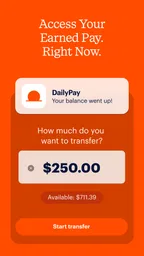
DailyPay is a free finance app from DailyPay Inc, built around earned-wage access. Rather than applying for a conventional loan, a worker can use the app to request available pay before payday. That distinction matters: the core idea is to move part of the timing of income, not to create new earnings. The app’s usefulness therefore depends on whether the work and pay information connected to it makes wages available for access.
In everyday terms, the benefit is control over when some earned money arrives. A bill due before payday, an unexpected trip to the pharmacy, or a grocery run that cannot wait may be easier to handle when there is an option to draw on wages already earned. I would still treat the amount as part of the next paycheck, because taking money early means there is less left to arrive later.
The app is a focused service rather than a broad banking dashboard. Its purpose is not to replace a bank account, build a savings plan, or make a low income stretch further. If the real problem is that monthly expenses consistently exceed earnings, moving pay dates around can soften an individual crunch but cannot solve that underlying mismatch. That is the most important expectation to set before installing it.
From a request to a payday decision
The practical workflow begins with checking what the app makes available, then deciding whether to access it now or wait. I would make that decision against the next few days of bills and spending, not just the current account balance. An early transfer can feel like found money if I look only at what is in front of me; comparing it with the upcoming paycheck makes the tradeoff clearer.
One useful habit is to reserve early access for a named expense. If I need to cover a necessary bill before payday, I can judge the request by whether that bill is urgent and whether the reduced paycheck will still cover essentials. By contrast, using an advance for routine discretionary purchases makes the timing benefit harder to notice and can turn the app into a way of pulling future income forward without a clear reason.
Another sensible check is to revisit the plan after using the service. I would note what the early money paid for and how the next payday felt. If the same shortfall appears every pay cycle, that pattern is a sign to review recurring bills or spending rather than simply requesting access again. That small bit of tracking is more valuable than treating each request as an isolated fix.
It is also worth thinking through a request before pressing ahead, rather than assuming that every earned dollar should be available immediately. Some money may already have a job in the next pay period: rent, transport, food, or a scheduled payment. Keeping those commitments visible helps prevent a short-term convenience from creating a new squeeze later. The app can improve timing, but the user still has to make the cash-flow decision.
Where it can make a real difference
Picture a worker whose car needs an unexpected repair a few days before payday. Without early access, they might have to postpone the repair, borrow from someone, or use a credit option that adds a separate repayment obligation. If DailyPay shows wages available, access could provide another route to handling that immediate cost. The important question is not simply whether the money can be requested, but whether the remaining paycheck can still cover the worker’s next essential expenses.
This is the kind of one-off timing problem where the app makes the clearest sense: a necessary cost arrives between paychecks, and the worker has already earned enough to make an early request useful. It may also suit someone who wants more say over when income is received, provided they are comfortable managing the smaller amount that comes later. For either person, I would use it deliberately, not as a standing assumption that every pay period should be split.
Compared with a credit card or personal loan, earned-wage access is conceptually different because it draws on pay already earned instead of borrowing against future income in the usual way. Compared with simply waiting for payday, it offers more timing flexibility. But neither comparison makes it automatically the best choice: existing savings may be simpler for a short emergency, while a lender or other support may be more appropriate for a larger cost that cannot be covered by available wages. The right alternative depends on the urgency and the consequences of having less pay later.
The tradeoffs I would keep in view
Early access can make a single difficult week more manageable, but it can also shift pressure forward. If I regularly need wages before payday for ordinary expenses, the next paycheck may arrive already partly spoken for. That can create a cycle in which the app addresses the immediate symptom while making it harder to build a cushion. I would regard repeated reliance as a prompt to reassess the budget, not as proof that the timing tool is working well.
Availability is another practical consideration. A worker should not plan a bill payment around money they have not yet confirmed they can access in the app. The service is tied to earned wages and an eligible work arrangement, so the experience is not necessarily interchangeable with a standard bank transfer or a cash advance anyone can request. Before depending on it for a deadline, I would check what the app actually shows for my situation and allow for the possibility that the amount available does not match what I hoped to draw.
There is also a behavioral tradeoff. Because the money has already been earned, requesting it can feel less consequential than borrowing. Yet the reduced balance on payday is consequential all the same. I find it helpful to think of an early request as changing the calendar, not increasing the paycheck. That framing makes it easier to separate a genuinely urgent need from a purchase that can wait.
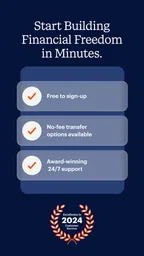
DailyPay is free to install, but I would not assume that the word “free” answers every question about the cost or delivery terms of a particular transaction. Before making a request, I would read the details shown in the app and compare them with the urgency of the expense. If waiting until payday is manageable, waiting may be the simpler choice. If the expense cannot wait, understanding the terms first is part of using the service responsibly.
Who is likely to benefit most
The strongest fit is a worker whose employer and pay arrangement support the service, who has a clear short-term cash-flow need, and who can plan around receiving less on payday. It may also appeal to someone who values having an option available for an occasional surprise, even if they do not intend to use it every cycle. In that case, the app is best viewed as a reserve route for timing problems rather than a routine part of income.
I would be more cautious if my budget has no room for a smaller next paycheck, if I am unsure what bills are due, or if I would use early access for expenses that happen every month. Someone facing a persistent income shortfall may get more lasting help from reviewing fixed costs, seeking appropriate financial guidance, or considering support designed for a longer-term problem. DailyPay can rearrange when earned wages arrive; it cannot make an insufficient overall income sufficient.
The app is rated for Everyone and has a 4.7 average from around 251,000 ratings, with about 20,000 written reviews and over one million installs. It was released on December 7, 2018, and version 56.0.0 requires Android 9 or later. Those figures suggest that many people have encountered the service, but popularity is not a substitute for checking whether it fits a particular workplace or personal budget. I would use the app’s own eligibility and transaction details as the practical test.
My overall view is that DailyPay addresses a narrow but real problem: the gap between earning money and receiving it. I like the idea most when a specific, necessary expense falls before payday and the worker has a plan for the remaining paycheck. I would skip it as a routine patch for a budget that is short every month. For someone who can keep that distinction clear, it can offer useful control over timing; for someone who cannot, waiting or choosing a more sustainable form of help may be the better move.
What we like
- Access earned wages before the regular payday.
- Request transfers through the mobile app.
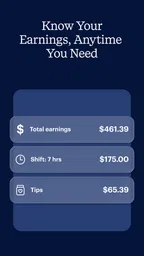
- Track available earnings and transfer activity.
- Use funds for unexpected expenses between paydays.
- Employer participation can make setup straightforward.
What could be better
- Availability depends on your employer offering DailyPay.
- Instant transfers may involve a fee.
- Transfers can reduce the next regular paycheck.
- Not all earned wages may be available to withdraw.
- Account setup may require identity verification.





