



Copper: Earn Cash Rewards review
 Analysis by Appsdrops
Copper: Earn Cash Rewards is best understood as a small-reward app built around everyday receipts and optional play, not as a serious way to earn income. I like the idea of turning purchases you already make into a chance at a little extra cash, but the value depends on patience: the stated cash-out threshold is $25. If you want a side activity that can sit alongside your normal shopping routine, Copper may appeal. If you need money quickly or want predictable earnings, I would look elsewhere.
Where Copper fits into a money routine
Developed by Next Financial, Copper is a free finance app for Android. Its central appeal is simple: use receipts and games as routes toward cash rewards. That combination makes it different from a traditional budgeting app, which helps you track spending but does not promise rewards, and from a cash-back card, which ties returns to eligible purchases and payment methods. Copper is more of a lightweight rewards companion than a tool for managing your finances.
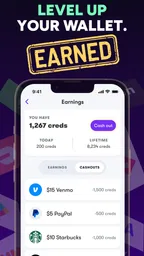
That distinction matters. I would not install it expecting it to lower my bills, organize a budget, or replace a savings habit. I would consider it only if I am comfortable doing a little extra app-based activity for rewards that build over time. The app offers a $10 starting amount, but that should not be mistaken for immediate cash in hand: the cash-out point is $25, so the practical question is how much effort it takes to get from the starting balance to a withdrawal.
The app is rated for Everyone, and its current version is 4.63.0. It has a 3.8 average from around 21,000 ratings, alongside roughly 4,300 written reviews and over one million installs. Those figures suggest a sizeable audience, but not universal enthusiasm. I read that as a reason to approach the rewards model with realistic expectations rather than treating it as effortless income.
Receipts are most useful when they fit an existing habit
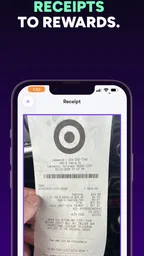
The receipt idea works best if you already collect or photograph receipts for returns, expense tracking, or household budgeting. In that case, checking whether a receipt can also contribute toward rewards is a small extra step. If you normally throw receipts away, Copper asks you to create a new habit, and that habit is only worthwhile if the reward progress feels meaningful to you.
A practical workflow is to make receipt checking part of a routine you already have: after unpacking groceries, for example, keep the receipt briefly, open Copper, and see whether it is useful there before disposing of it. This is more reliable than trying to remember several days later, when the paper may be gone or the purchase details are harder to recall. I would also avoid treating a receipt as guaranteed earnings; the app’s overall pitch is about earning rewards, but individual progress can depend on what the app accepts and the available opportunities.
There is a trade-off between convenience and attention. A quick scan may feel negligible once in a while, but repeated manual steps can make a rewards app feel like another chore. My advice is to test the receipt routine for a short stretch and judge it by the time it takes, not by the most optimistic picture of what the balance might eventually become.
Games add variety, but they change the value calculation
Playing games gives Copper another route to rewards, which may suit someone who already enjoys casual mobile games. The key question is whether you would have played those games anyway. If the answer is yes, reward progress can feel like a bonus attached to leisure time. If you install and play only to earn, the time spent becomes the real cost, and the experience may compare poorly with simply using that time for something you value more.
I would keep the two activities mentally separate: receipts are tied to purchases you already made, while games ask for additional attention. That distinction helps prevent a common mistake—assuming every activity has the same value simply because it appears in one rewards app. Before committing to a game, consider whether you actually like its style and whether continuing feels worthwhile without focusing on the reward. If it becomes a grind, stopping is a sensible choice even if you have already spent time on it.
This also makes Copper a poor fit for anyone who dislikes mobile-game prompts or wants a strictly practical finance tool. A dedicated receipt organizer is a better choice if your priority is record keeping, while a straightforward budgeting app is more useful for tracking where money goes. Copper’s appeal is narrower: it brings rewards and entertainment together, with the possibility of earning something for participation.
The cash-out threshold calls for patience
The biggest limitation I see is the distance between a starting balance and a usable withdrawal. A $25 cash-out threshold means rewards below that point cannot yet serve as spendable money. For someone who wants occasional pocket money and does not mind waiting, that may be acceptable. For someone counting on a quick payout, it is a meaningful obstacle.
I would check progress periodically rather than making Copper a daily obligation. If you find yourself opening it repeatedly to see whether the balance has moved, the app may be taking more attention than the reward is worth. A weekly check after scanning receipts or playing a game is a calmer approach: it keeps the app in the background and lets you decide whether the pace is satisfactory.
Another useful habit is to keep your expectations conservative. Treat rewards as a possible extra, not as part of a monthly budget or a substitute for dependable earnings. This is especially important if you are deciding whether to spend time on a game: the threshold can make small increments feel less satisfying until they accumulate. Copper is easier to enjoy when you are not relying on it to meet a particular expense.
Privacy and everyday practicality
Receipt-based rewards naturally involve sharing purchase information with an app, so I would pause to review Copper’s privacy details and the permissions it requests before making scanning part of my routine. This is a general precaution for any receipt rewards service, not a claim about a particular Copper policy. I would scan only receipts I am comfortable submitting and avoid uploading documents that contain unrelated personal information.
There is also a simple household use case: if several people shop for the same home, decide in advance who will keep and scan the receipts. Otherwise, it is easy to duplicate effort or lose track of which purchases have already been handled. A small envelope or a designated spot near the keys can make the routine less fiddly, though it is only worthwhile if the app’s reward progress feels fair for the time involved.
For an occasional shopper, receipt opportunities may arise too slowly to make the app feel active. For someone who buys groceries regularly and enjoys casual games, there are more natural chances to engage. Even then, I would not change shopping habits just to generate receipts: spending more to chase rewards defeats the purpose of a money-saving activity.
Who I would recommend it to
I would suggest Copper to a patient user who already keeps receipts, enjoys trying casual games, and sees small rewards as a pleasant extra. It is also a reasonable experiment for someone curious about rewards apps who is willing to test the routine without expecting a reliable income stream. The free price makes trying it less of a financial commitment, though your time and purchase information still matter.
I would skip it if you need fast, predictable cash, dislike scanning receipts, or prefer a finance app focused on budgets and spending reports. It is also not a great match if you are likely to buy things you do not need or keep playing a game you do not enjoy simply to move toward cash-out. In those cases, a standard cash-back option connected to purchases you already make—or a conventional budgeting tool—may better match your goal.
My overall view is that Copper: Earn Cash Rewards has a clear, modest purpose: it tries to turn receipts and game time into rewards, but it asks users to accept a wait before cashing out. Its strongest case is convenience for someone who can fold it into existing habits; its weakest is the temptation to value activity by a future payout rather than by the time it consumes. I would try it casually, keep spending unchanged, and stop if the process starts feeling like work.
What we like
- Offers cash rewards for completing eligible activities.
- Provides a way to earn small rewards in spare time.
- The app is free to download.
- Reward progress can be tracked in the app.
- May suit users who enjoy trying new offers.
What could be better
- Earnings are unlikely to replace a regular income.
- Some offers may require purchases or subscriptions.
- Rewards may take time to qualify or process.
- Offer availability can vary by location.
- Users may need to share personal information to participate.





