






ChoreReward: Family Habits review
 Analysis by Appsdrops
I look at a family chore app differently from a game or a simple checklist: its real test is whether it makes everyday expectations clearer without turning home life into constant supervision. ChoreReward: Family Habits is aimed at that middle ground, bringing chores, routines, rewards, allowance, and a sense of family progress into one parenting-focused app. That combination is appealing, but it also makes trust and setup important. Parents need to decide what the app should help manage, while children need to feel that the system is understandable and fair.
My overall impression is that this is best approached as a shared family tool, not a substitute for conversations about responsibility. The useful question is not whether an app can make a child do a chore; it is whether a family can agree on a simple routine and use the app to keep expectations visible. When that is the goal, a dedicated tool can be more practical than a household message thread or a chart that gets lost on the fridge.
Where trust begins: a family tool, not a surveillance promise
The app is made by Kidslox, Inc., a developer name associated here with a parenting product. It is free to install, with optional in-app purchases priced from $2.99 to $49.99 per item. That range is worth noticing before a family builds its habits around the app: the basic entry point costs nothing, but some purchase options can be a meaningful expense. I would decide together whether a paid option is worth considering rather than treating an upgrade as a necessary part of getting started.
Its audience is broad: the content rating is Everyone, and the app sits in the parenting space. That rating describes the content, not whether every family will find its routines or reward approach suitable. I would still involve children in deciding what counts as a completed task and what a reward means. Clear rules are more important than a polished chore list, especially if siblings have different responsibilities or abilities.
ChoreReward: Family Habits has a 4.2 average from 281 ratings, alongside 100K+ installs. Those figures suggest that families have tried it, but I would not treat popularity as proof that it fits a particular household. There are also four written reviews, a small sample of detailed commentary compared with the rating count. For a family tool, the best test is whether its actual setup supports the routine you want—not whether the headline numbers make the decision for you.
One trust-minded way to begin is to keep the first trial deliberately small. Pick a single recurring task and one routine, then see whether everyone understands the arrangement without repeated parent reminders. This reveals whether the app is helping the family coordinate or merely moving the same argument onto a screen. It also limits the amount of household information you need to enter before you know the tool is useful.
What I would check before building a routine
I would start by reading the choices the app presents during setup and using only the information needed to organize the family’s tasks. I would also pay attention to who can make or change assignments, how a child sees what is expected, and whether the family can keep rewards modest and easy to explain. These are practical questions to check in the app itself; I would not assume an account control or privacy setting exists unless it is visibly offered.
That distinction matters because chore and allowance tools can involve sensitive family decisions even when the entries seem ordinary. A task list might reveal a child’s schedule or responsibilities, while a reward plan can expose differences in how parents handle money. Before entering details, consider whether the same goal can be achieved with a simpler, less personal description—for instance, a general evening tidy-up rather than a detailed record of a child’s movements through the day.
I would also check the current permission prompts and make a choice based on what the app asks to access. Permissions are a concrete point of control: if a request does not make sense for the way your family plans to use the app, pause rather than approving it automatically. I cannot judge a permission or data practice from the product’s general purpose alone, so the useful habit is to review what is actually shown on your device and revisit it if your use changes.
Turning chores into a routine without making them a scorecard
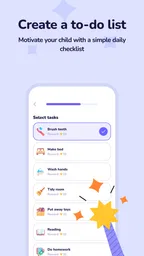
The strongest use case is a family that already knows which jobs need doing but struggles to keep the expectations consistent. A shared place for chores and routines can make the next step easier to remember, while rewards and allowance can give children a concrete reason to follow through. The family-progress idea may also help parents talk about contribution as something everyone participates in, rather than a list of jobs that belongs only to one child.
For example, imagine a weekday evening when a child needs to pack a school bag, put away dishes, and get ready for bed while a parent is making dinner. A household can agree in advance which tasks count, when they should happen, and what reward—if any—is connected to them. The app’s role is to make that agreement easier to refer back to. It should not become an excuse to debate every missed tick when the child is tired, sick, or facing an unusually busy day.
A useful, less obvious approach is to separate habit-building from rewards at first. Begin with a routine that matters to the family, then decide whether attaching allowance or another incentive improves follow-through or distracts from the goal. If a child starts asking only about the reward, the family can revisit the arrangement. Keeping the routine and its incentive conceptually separate makes it easier to change one without abandoning the other.
Another practical tip is to make tasks specific enough that two people would agree on completion. “Clean your room” can mean very different things to a parent and a child; “put clothes in the hamper and clear the floor” is easier to understand. This is not an app feature, but it is the kind of setup decision that determines whether a chore app reduces friction or creates a new argument. A short, concrete list is usually a better first experiment than trying to document every household responsibility.
Allowance and rewards need family rules of their own
Putting allowance alongside chores can make the relationship between effort and reward visible, but families should decide whether money is payment, a learning tool, or simply one possible incentive. Those approaches are not interchangeable. If allowance is tied to every small task, children may come to view basic shared responsibilities as paid work; if it is not tied to tasks, a reward system may be clearer when it uses privileges or another agreed benefit instead.
I would write down the family’s rule in plain language before using the app to track it. For instance, decide whether a missed task can be made up, whether the reward depends on a whole routine or individual chores, and how exceptions work during a busy week. This is especially helpful with more than one child, since a system that looks equal on a screen may not feel fair if the jobs differ in effort or age-appropriateness.
That is also where a dedicated family app differs from a paper chart or a general to-do list. A chart is easy to see and needs no device, but it can be awkward to update or carry between caregivers. A generic checklist is flexible, though it may not naturally connect household tasks with rewards and family habits. ChoreReward’s particular appeal is that it brings those ideas together; the trade-off is that it asks the family to make deliberate decisions about incentives rather than simply recording errands.
Where the app may not be the right fit
Families who want a simple, private-feeling routine without screens may be better served by a whiteboard or paper chart. The same is true if a child responds poorly to visible tracking, or if chores are already a source of conflict. In that situation, adding a system can make the disagreement feel formal rather than solve it. I would first agree on a few expectations face to face, and only then decide whether an app makes them easier to maintain.
It may also be a poor match for households looking for a comprehensive parental-control product. ChoreReward is presented as a parenting app focused on habits and household contributions, not as a general device-management solution. Families should choose a tool for the job they actually need and avoid assuming that a chore organizer will replace other forms of family coordination.
There is some setup work in any system that combines chores, routines, rewards, and allowance. Parents need to define tasks, explain the rules, and adjust them as children grow or schedules change. If nobody is willing to maintain those agreements, the app could become one more abandoned list. I would treat it as a lightweight family process that needs occasional conversation, rather than expecting the software to settle questions of fairness by itself.
Version, age fit, and a cautious decision
The current version is 1.9.0, and the minimum operating-system requirement is 12. Before planning to use it across several family devices, check that each device meets that requirement and that the app is available for the platform your household uses. The release date is Jul 8, 2026, so I would also check the app store’s current listing when installing, particularly if you are comparing compatibility or purchase choices.
For younger children, a parent may need to explain the tasks and rewards rather than expecting the app to make the arrangement self-explanatory. Older children may appreciate having expectations laid out clearly, but they should still have a voice in whether the chores are reasonable. A fair system is one children understand and can discuss—not simply one that is easy for a parent to administer.
ChoreReward: Family Habits is worth considering if your household wants one place to organize chores and routines while exploring whether rewards or allowance help children build consistency. I would start with a small trial, keep entries minimal, inspect the permissions and choices presented on your device, and agree on the rules before tracking anything. The app’s focused combination is more compelling than a bare checklist for families that want habits and incentives connected, while a paper chart or a simpler task app is likely better for those who want less setup or no reward system.
My cautious recommendation is to use it as a prompt for clearer family agreements, not as an authority on what a child owes or deserves. The free starting point makes a limited trial approachable, but optional purchases and the ongoing work of maintaining fair rules deserve consideration. If the first routine makes evenings calmer and expectations easier to remember, the app is serving a real purpose. If it adds negotiation, screen time, or pressure, stepping back to a simple conversation may be the better choice.
What we like
- Turns household tasks into a reward system for children.
- Helps families keep chores and routines organized.
- Can encourage kids to take responsibility for daily tasks.
- Lets parents tailor chores to their family's needs.
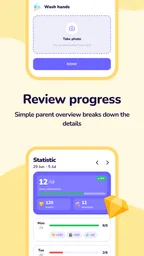
- Makes progress easier to review as a family.
What could be better
- Children may focus on rewards more than the value of helping.
- Parents need to set up and maintain the chore list.
- Rewards can create disagreements if expectations are unclear.
- The system may be less effective for children who dislike routine.
- Families may need time to agree on fair rewards and rules.





