




Atlas - Rewards Credit Card review
 Analysis by Appsdrops
I would judge Atlas less by the promise of rewards than by the choices it asks me to make along the way. A finance app can touch spending habits, credit-building goals, and personal information, so convenience alone is not enough to earn my trust. My practical test is whether I can understand the role it is meant to play, decide if that role suits me, and keep it separate from financial habits I do not want to change.
Where Atlas fits in a financial routine
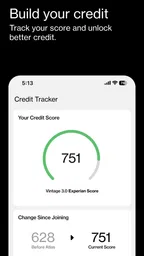
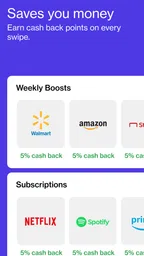
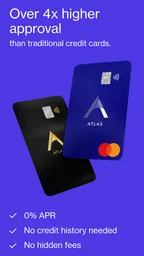
Atlas - Rewards Credit Card is a free finance app from Exto Inc., built around a credit-card experience that connects cash-back rewards with the aim of building credit. That combination is appealing if you want one place to think about everyday purchases and credit progress, but it is important to treat those as two different goals: rewards are a spending benefit, while credit building depends on using credit responsibly over time.
The app has been available since June 28, 2022, and its current version is 6.4.8. It has a 4.6 average from around 199,000 ratings, with roughly 36,000 written reviews and more than a million installs. Those figures suggest that many people have tried it, but popularity is not a substitute for checking whether a credit product matches your circumstances. I would use the app’s own terms and account details to make that decision rather than relying on a rating alone.
For a realistic example, imagine you are buying groceries and household basics each week and want to use a credit card without letting the balance become an afterthought. Atlas may be worth considering if the rewards help motivate you to track that routine and the credit-building purpose is already part of your plan. I would not add purchases just to chase cash back. A reward is useful only when it sits on top of spending you would have done anyway and can manage comfortably.
That distinction is where Atlas differs from a basic budgeting app or a general-purpose rewards card. A budgeting tool usually starts with categories, cash flow, and spending limits; a conventional rewards card may focus mainly on earning value from transactions. Atlas brings the credit-building intention into the picture, which can make it more relevant to someone thinking about establishing or strengthening credit. It is less compelling if your main need is detailed household budgeting or if you simply want the highest-value rewards without a credit-building focus.
Trust begins with the role you give it
I would approach Atlas as a financial product, not as a casual shopping app. Before entering personal or financial details, I would read each screen carefully, understand what is being requested, and consider whether the account’s purpose fits my broader financial routine. That is a more useful trust test than assuming that an app is safe or unsafe based on its category or its popularity.
The app is rated for Everyone, but that content label should not be confused with a recommendation that every person should use a credit product. Credit decisions involve individual needs and circumstances. If you are helping a younger family member learn about money, I would explain that the age label describes the app’s content classification, not the financial judgement required to manage credit.
I also would not treat cash back as guaranteed savings. Rewards can make ordinary spending feel more rewarding, but they do not automatically make a purchase worthwhile. My rule would be to decide what I can afford first, then consider any reward as a secondary benefit. If a card makes it easier to spend beyond a plan, the rewards angle is working against the very discipline that credit-building requires.
Make account choices deliberately
When setting up any finance app, I recommend slowing down at the points where it asks for information, permissions, or account decisions. Read the wording on each screen instead of tapping through by habit, and grant device access only when you understand why it is being requested. I would not assume that Atlas needs access to any particular phone feature; the useful practice is to assess each request when it appears and decline anything that does not make sense for the task in front of you.
It is also sensible to review the app’s in-app settings and account controls after setup. Look for the choices that affect notifications, security, and how you manage your account, then adjust what is available to match your preferences. I would keep essential account alerts enabled if they help me notice activity or payment responsibilities, while turning off nonessential prompts that could make the app feel like a reason to spend. The important point is to make those choices intentionally rather than letting default settings shape your routine.
A small but useful workflow is to separate “checking rewards” from “deciding to buy.” If I open a finance app immediately before a purchase, I can easily let the reward influence the decision. Instead, I would review my planned spending at a calm moment, then use the card only for purchases already in that plan. This gives the rewards feature a supporting role and keeps it from becoming a shopping prompt.
Another practical habit is to check the account after a purchase rather than waiting until the end of the month. A quick review can help you notice whether your actual use matches your intended use. If the balance is growing faster than expected, pause new card spending and address that pattern before focusing on reward totals. This is not a special feature claim; it is a sensible way to use a credit account without allowing the interface to distract from the cost of borrowing.
Handle sensitive moments with care
Finance apps naturally involve moments when the information on screen may be private: signing in, reviewing account activity, or making a decision about a transaction. I would avoid using Atlas on a shared device, keep my phone’s lock protection in place, and take care not to expose account details when someone else can see the screen. Those habits matter even when an app is convenient, because privacy also depends on how and where a person uses a device.
Before linking any financial information or completing an application flow, I would read the relevant explanations and make sure I understand what I am agreeing to. If a request feels unclear, I would stop and review it rather than guessing. This is especially important when an action could affect a credit account or authorize a transfer of information. A quick pause is better than discovering later that I misunderstood a choice.
I would also make a routine of checking account activity and keeping my contact and security details current. If something looks unfamiliar, use the account’s available support or security route promptly rather than waiting for a monthly review. The precise steps should come from the controls shown in the app and the account terms, not from assumptions about how a particular incident will be handled.
One trade-off to keep in mind is that a card-focused app may not replace a full view of your finances. If you already rely on a bank app for balances and a separate tool for budgeting, Atlas may become one more place to check. That can be worthwhile if the credit and rewards purpose is clear, but it can also fragment your routine. I would decide in advance what Atlas is for—such as reviewing card use—and keep budgeting and bill planning in the system I already trust.
Who is likely to benefit—and who should look elsewhere
I can see Atlas suiting someone who wants a credit card experience with a rewards angle and is prepared to manage credit thoughtfully. It may be particularly relevant if you are beginning to pay attention to credit-building and would value an app centered on that goal rather than a rewards card designed only around points or perks. Its free price makes it easier to explore, though “free” does not mean that every possible cost or account condition is irrelevant; read the card terms before making a commitment.
I would be more cautious if you are trying to reduce debt, have trouble sticking to a spending limit, or tend to buy more when an offer is attached. In those situations, a debit card or a budgeting-first tool may support your needs better. Likewise, if your priority is comparing several credit products for fees, rates, or a specific rewards structure, I would compare the actual terms directly rather than choosing Atlas based on the app’s broad purpose alone.
For someone new to credit, the most helpful approach is to decide on a personal spending limit before using the account and to check whether you can pay what you owe according to the terms. I would not use a cash-back figure as a reason to carry a balance or spend more. If you cannot explain how the account fits your monthly budget, it is worth waiting until that part is clear.
A measured recommendation
Atlas is worth a closer look if you want a finance app tied to a credit-card experience and the idea of combining rewards with credit-building fits a goal you already have. Its large audience and strong average rating offer context, while its free availability lowers the barrier to exploring it. Neither point removes the need to understand the account, protect your information, and make deliberate choices about how you use credit.
My recommendation is cautious rather than automatic. I would consider it for planned everyday spending, review the account and privacy choices carefully, and check my usage regularly so rewards do not become an excuse to spend. I would skip it if I needed a budgeting tool first, wanted to avoid credit, or knew that a rewards prompt could weaken my spending discipline. Used with a clear purpose, it may be a useful part of a credit routine; without that purpose, a simpler financial tool may be the better fit.
What we like
- Earns rewards on eligible purchases without an annual fee.
- Offers tools to track spending and manage card activity.
- Can help build credit when payments are made on time.
- Provides access to a digital card for convenient online use.
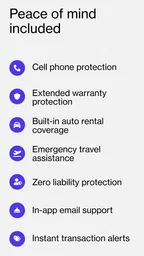
- Includes alerts that can help users monitor account activity.
What could be better
- Approval is subject to credit and eligibility requirements.
- Late payments may lead to fees and harm your credit score.
- Rewards may have limits or redemption conditions.
- The card may carry a high interest rate on unpaid balances.
- Some features may require the Atlas app and an internet connection.





