

AL Quran Kareem - Holy Quran review
 Analysis by Appsdrops
AL Quran Kareem makes sense as a focused choice for someone who wants a Quran recitation experience on a phone rather than a broad event-planning app. Its appeal is the intention behind it: to make reading feel personal and attentive, not like checking another item off a screen. I’d consider it most useful as a companion for an existing routine, while keeping expectations measured because its short store description offers little detail about the reading tools or other features.
A Quran-focused app with a clear purpose
Although it sits in the events category, the app’s identity is unmistakably religious and centered on the Quran. It is free to install, aimed at an Everyone audience, and developed by Jolt Global Apps - VPN, Ai, Keyboard & Learning. The name is direct, and the store’s brief “AL Quran Kareem” description reinforces that this is intended for people seeking a digital Quran experience, not a general calendar or event-discovery service.
The strongest case for trying it is simple: a phone is often close at hand when a dedicated printed copy is not. That can make a Quran app convenient for a short reading break, a quiet moment between errands, or keeping a personal practice in view while travelling. I would treat that convenience as the main reason to try this one—not assume that a digital edition automatically replaces a printed mushaf or a teacher’s guidance.
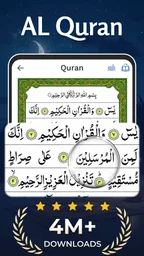
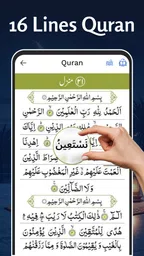
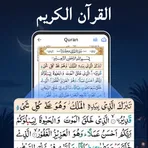
The title suggests a devotional reading experience, and the store summary evokes the feeling of holding a Quran. I read that as an aspiration, not a guarantee that the app reproduces every detail of a physical copy. If visual fidelity, a particular script style, translation, reciter, or study tool matters to you, check those details in the app itself before making it your main resource.
What its early reception can—and cannot—tell you
The app has a 4.5 average from around 39,000 ratings and has passed 1 million installs. That scale suggests many people have considered it worth trying, but ratings alone do not tell me whether the experience suits a particular reading habit. Someone who needs a specific translation or audio option should judge those essentials directly rather than relying on popularity as a substitute.
There are 36 written reviews, so I would distinguish the broad rating signal from the smaller pool of comments. A large number of ratings can help a new user feel that the app is established enough to investigate, but written feedback is where practical questions often surface. In this case, I would still test the reading flow personally: whether text is comfortable to follow, whether navigation feels clear, and whether the app fits the way I actually recite.
The current version is 4.7, and the app requires Android 7.0 or later. Its release date is Jan 31, 2024. Those details give a useful baseline for device compatibility and how long it has been available, but they do not tell you how it behaves on your particular phone. I would open it and check text legibility, responsiveness, and any settings that affect reading comfort before relying on it for a long session.
Where a phone-based Quran can be genuinely handy
A realistic use case is a commuter who has a few quiet minutes before a train arrives. Rather than opening a social feed and losing that time, they can use the phone for a short passage. Another is someone who travels light and wants access to reading during a lunch break or while waiting for an appointment. Those are modest situations, but they are precisely where having a devotional resource nearby can help a routine feel more consistent.
One useful habit is to choose a small, repeatable reading window instead of opening the app only when there is a large block of free time. A few minutes after a regular daily activity can be easier to sustain than an ambitious plan. I would also decide beforehand whether the phone is helping me focus or tempting me toward notifications; putting it on silent or using a distraction-reducing setting on the device can make the reading session more intentional.
Another practical consideration is screen comfort. A long stretch of reading on a bright phone may be less pleasant than using a printed Quran, especially in strong light or late at night. I’d adjust the device’s brightness and text settings where available, and take a break if my eyes tire. That is not a criticism unique to this app, but it matters when choosing a phone as the reading surface.
The main limitation is how much you need from it
The clearest trade-off is that the app’s public description is very brief. It communicates a Quran-centered purpose, but does not lay out the reading, listening, translation, bookmarking, or study options a careful user might want to compare. I would not assume any particular feature exists just because it is common in other Quran apps. If one of those tools is essential to your practice, confirm it inside the app before depending on it.
This matters most for readers with specific needs. A learner who relies on transliteration, a person following a teacher’s chosen translation, or someone who wants audio recitation should compare the available options carefully. A general-purpose Quran app with clearly documented translations or reciters may be a better fit if those are central to the experience. Similarly, if you prefer the tactile layout and uninterrupted attention of a printed copy, a phone version may be best kept as a convenient backup.
There is also a purchase consideration. The app is free, but it includes in-app purchases ranging from $0.49 to $28.99 per item. That does not mean a purchase is necessary, and I would first explore what is available without paying. If a paid item appears, check what it unlocks and whether it addresses a real need rather than buying simply because it is presented during setup or use.
For a devotional app, clarity and trust matter as much as convenience. I would verify the displayed text and any translation against a source I already trust, particularly if I plan to study rather than simply read. That is a sensible practice for any digital religious text, not an implication that this app is inaccurate. It keeps the app in the role of a useful reading aid while preserving care around interpretation.
Who I think should give it a try
I’d recommend trying AL Quran Kareem if you want a Quran-focused app that you can reach for during short gaps in the day, and if you are comfortable evaluating its available tools for yourself. Its free entry point makes that trial relatively easy, while its broad audience rating means it is not presented as an app limited to a narrow age group. The most suitable user is someone who values convenient access and already knows what they need from a digital Quran.
It is less likely to be the right choice for someone seeking a comprehensive study suite without first checking its contents, or for a reader who needs a particular reciter, translation, or accessibility option. In those cases, compare alternatives on the exact feature that matters rather than choosing by name or rating. A printed mushaf, a teacher’s recommended resource, or an app with explicit details about a needed tool may be a better primary option.
Compared with the usual alternatives, the difference is less about replacing every Quran resource and more about having a phone-based option ready when a physical copy is not nearby. A printed Quran offers a familiar page and can avoid the distractions of a phone; a feature-rich study app may serve learners better; this app is worth considering if your priority is a straightforward devotional reading companion. The right choice depends on whether convenience or specialized support matters more in your daily routine.
My verdict: useful when convenience is the point
My view is that this is a promising option for readers who want to keep Quran access close at hand, but I would approach it as a practical companion rather than assume it is a complete study solution. Its purpose is clear, its free installation lowers the barrier to trying it, and its rating and install reach give a reason to take a look. The real test is whether its actual text presentation and tools match your own practice.
I would install it, spend a few minutes checking the reading experience, and decide whether it supports the way I want to recite. If it does, it can earn a place in a daily routine—especially for brief moments away from home. If I needed specific audio, translation, or learning support that it does not provide, I would choose a more specialized alternative instead. That is the fair balance: useful for accessible Quran reading, with the right fit depending on the details you personally need.
What we like
- Clear Arabic text supports focused reading.
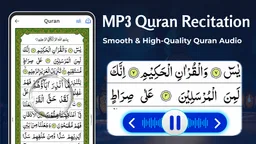
- Audio recitation helps with listening and memorization.
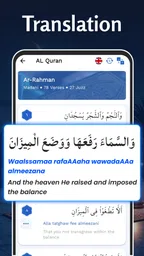
- Translations make verses easier to understand.
- Bookmarks help you return to a chosen passage.
- Useful for daily reading at home or on the go.
What could be better
- Some features may require an internet connection.
- Audio files can use significant storage space.
- Translation wording may differ from other editions.
- Small text may be difficult to read on compact screens.
- The available reciters or translations may not suit everyone.





