



Wood Quiz Blast: Trivia Blocks review
 Analysis by Appsdrops
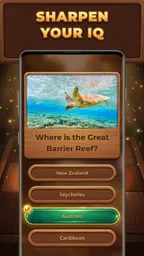
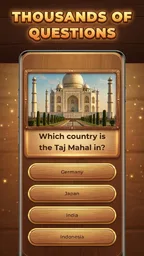
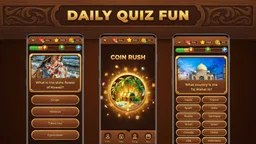
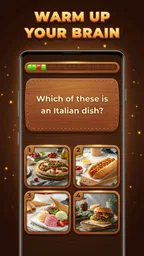
Wood Quiz Blast: Trivia Blocks is easiest to understand as a trivia game built around a cozy wooden look and quick brain-teaser sessions. I like that its basic appeal is straightforward: open it when you want a little mental activity, answer quiz puzzles, and leave when you have had enough. That makes it less demanding than a long-form quiz challenge, though it also means it is best approached as a casual diversion rather than a deep study tool.
Why the puzzle-first approach matters
The game’s defining idea is to make trivia feel approachable through its wood-themed presentation and puzzle framing. Instead of treating general knowledge like a formal test, it gives the activity a lighter, more tactile mood. In my experience, that kind of presentation can make a short quiz feel less like homework and more like a small break between other tasks.
That distinction matters if you are choosing between this and a conventional trivia app. A standard quiz format often puts the emphasis on categories, timed rounds, or competing against other players. Wood Quiz Blast: Trivia Blocks is better suited to someone drawn to a relaxed puzzle atmosphere and the simple satisfaction of working through a question. It is not the obvious pick if your main goal is live competition or a structured course in a particular subject.
The game is listed in the trivia category, and Quiz & Trivia Games by Mno Go Apps is its developer. Its store page describes it as a free game, with optional in-app purchases ranging from $0.59 to $19.49 per item. I would treat “free” as a low-commitment way to try the basic experience, while keeping in mind that purchases may matter if you decide to spend more time with it.
How the quiz experience fits into a real day
The most practical way to use a game like this is in a short gap that does not justify opening a more involved game: while waiting for someone, during a quiet break, or when you want to shift attention away from a routine task. I would play a few puzzles and stop rather than planning a long session. That keeps the experience in its natural lane and avoids expecting a quick trivia game to deliver the depth of a dedicated learning app.
A useful habit is to treat each puzzle as a prompt to think before tapping, rather than rushing simply to clear it. When I do that with trivia games, I get more value from the question itself: I can notice what I knew, what I guessed, and what I might want to remember. The wood-style presentation supports a calmer pace, but the benefit still depends on how deliberately you engage with the questions.
One small trade-off follows from the compact format: a quick session can be convenient, but it may not satisfy someone who wants a carefully organized progression through a subject. If you are trying to revise history, science, or vocabulary in a systematic way, a study-focused app with topic selection and review tools would be a better fit. Here, I would come for puzzle solving and casual knowledge checks, not a complete learning plan.
The store summary presents the game as a way to test your brain and boost IQ. I would read that as playful positioning, not as a promise of measurable cognitive improvement. Trivia can be enjoyable and mentally engaging, but a game session alone is not evidence that your intelligence has changed. That distinction helps set a sensible expectation: play for the questions and the moment-to-moment challenge.
Where it works best—and where it does not
For a realistic everyday scenario, imagine having a few minutes before an appointment and wanting something more active than scrolling through a feed. This is the sort of gap where a short quiz puzzle can work well: it gives your attention a clear task without asking you to settle into a long story or coordinate with other people. If you are interrupted, the casual nature of the game makes it easier to return to your day.
It is also a reasonable option for someone who enjoys trivia but finds competitive quiz formats stressful. There is no need to make every session about beating another person or proving expertise. The trade-off is that players who thrive on leaderboards, multiplayer rivalry, or intense timed rounds may find a quieter puzzle-oriented experience less motivating. If those social stakes are what keep you playing, a competitive trivia alternative is likely the stronger choice.
Another useful way to approach it is as a shared, low-pressure activity. You can take turns considering a question with a friend or family member, especially if you want an easy conversation starter rather than a serious contest. The Everyone content rating makes the game broadly suitable by age classification, but that does not guarantee that every question will match every player’s interests or knowledge. For younger players, I would still join in and treat tricky answers as a chance to talk them through.
For solo play, the best value comes from staying curious rather than judging yourself by the number of answers you get right. If a puzzle catches you out, take a moment to think about why the answer makes sense. That turns a passing question into a small learning moment without pretending the game is a substitute for a reference book. It is a simple workflow, but it makes casual trivia feel more worthwhile.
What to expect before installing
The game has an average rating of 4.8 from around 56,000 ratings, alongside roughly 350 written reviews and over 1 million installs. Those figures suggest that many players have tried it and that its reception is strong, but popularity cannot tell you whether its pace or puzzle style will suit you personally. I would use them as a reason to consider trying it, not as a guarantee that it will become a favorite.
Its current version is 2.14.108, and the listed minimum operating system is 7.1. It was released on June 29, 2026. The date is worth checking against your own device’s app-store display if you are comparing release history, while the OS requirement gives you a straightforward compatibility point to verify before installing.
Because the game is free to download but includes optional purchases, I would decide in advance whether you are comfortable spending inside a casual game. The listed purchase range runs from $0.59 to $19.49 per item. You do not need to treat those items as part of the core appeal when deciding whether to try it; instead, first see whether the puzzles and presentation hold your attention. If you prefer games with no in-app spending at all, that difference may be enough to choose another option.
I would also avoid expecting the wooden theme to change the underlying nature of trivia. It gives the game a distinct mood, but the lasting appeal still depends on whether you enjoy answering quiz questions. Players who want elaborate worlds, character-driven stories, or action mechanics should look elsewhere. Those are not shortcomings so much as a reminder that this is a compact, quiz-centered choice.
Who is likely to enjoy it most
Wood Quiz Blast: Trivia Blocks makes the most sense for someone who likes general-knowledge puzzles, prefers a relaxed presentation, and wants a game that can fit around everyday interruptions. It is also a sensible first try for a casual player who wants trivia without committing to a long match or a formal learning schedule. The wood styling gives the experience a recognizable feel, while the puzzle focus keeps the basic reason to play easy to understand.
I would recommend skipping it if your priority is a competitive community, detailed progress tracking, or dependable subject-by-subject study. A dedicated quiz platform may serve those needs better, and a learning app will usually be more appropriate if you want structured revision. Likewise, if you dislike optional purchases in free games, check the app-store purchase information before installing so you can make that choice comfortably.
My overall take is that this is a pleasant, low-pressure way to spend a short break when you want to think rather than simply watch or scroll. Its strongest appeal is the combination of trivia puzzles and a cozy wooden presentation, not a promise that it will transform your memory or replace other quiz formats. If that modest, focused experience sounds right to you, I think it is worth trying; if you need competition or a serious study system, your time is better spent with a more specialized alternative.
What we like
- Quick rounds make it easy to play in short breaks.
- The wood-block theme gives the quiz a relaxed visual style.
- Trivia questions add a knowledge challenge to block puzzles.
- Simple controls are approachable for new players.
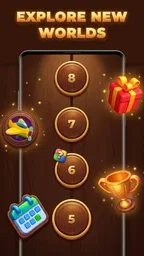
- Progressive challenges can keep regular play engaging.
What could be better
- Some questions may feel too easy for trivia experts.
- Repeated block layouts can make later rounds feel familiar.
- Timed challenges may frustrate players who prefer a relaxed pace.
- A wrong answer can interrupt an otherwise strong puzzle run.
- The game may offer limited appeal to players who dislike quizzes.







