

Toddler Drawing Games For Kids review
 Analysis by Appsdrops
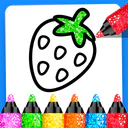
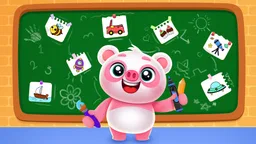
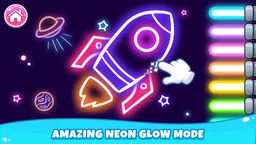
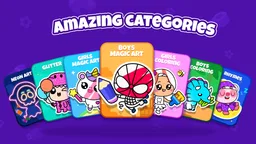
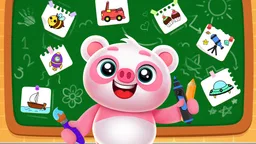
At first glance, Toddler Drawing Games For Kids sounds like exactly what it aims to be: a welcoming place for young children to explore color, painting, and simple creative play. Piggy Panda Inc describes it as drawing games for kids, with a preschool coloring-book feel, and that focus gives the game an easy-to-understand identity. I like that the idea is direct rather than dressed up as a complicated adventure. For a little one, opening a game and quickly recognizing that it is about making pictures can be a big part of the appeal.
The game sits in the educational category, but its creative premise matters just as much as the learning label. Drawing and coloring invite children to pay attention to shapes and colors while making choices of their own. That is a gentle foundation for play: there is room to experiment, and the activity itself can feel rewarding without needing a score or a challenge to carry the experience. My overall first impression is that this is intended to make creative play approachable for preschoolers, with a child-friendly tone at the center.
Toddler Drawing Games For Kids is free to download, is rated for Everyone, and is available for devices running Android 8.0 or later. It has reached over five million installs, giving parents a sense of how widely it has been picked up. The game’s average rating is 3.5 from around 2,200 ratings, so the public response is mixed rather than overwhelmingly glowing. I see that as a reason to approach it with sensible expectations: the premise is appealing, though a simple drawing game will not suit every child or every family’s idea of an ideal screen-time activity.
A playful visual language
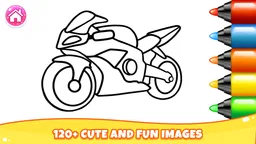
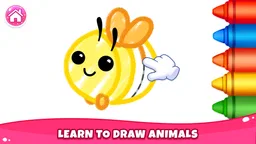
The coloring-book concept is the clearest part of the game’s identity. A familiar art activity can make a digital experience feel less intimidating to a young child, especially when the main invitation is simply to draw, color, and paint. That kind of framing helps keep the mood light. Instead of asking children to learn a complicated fictional world before they can begin, the game puts creative expression in the foreground.
For me, that is a sensible choice for a preschool drawing game. Children can be drawn to bright colors and recognizable pictures, but the most important thing is that the creative task feels understandable. A digital coloring activity can also make it easy to try different visual choices without the usual need to gather paper and art supplies. The appeal is not that the screen replaces drawing altogether; it is that it offers another accessible way to play with color and pictures.
The art direction needs to serve that simple purpose. In a game for young children, a clear visual presentation can help keep attention on the activity instead of overwhelming the player with busy decoration. The coloring-book framing suggests a familiar, inviting setting, and I think that is a good fit for the intended audience. A young child does not need an elaborate story to enjoy making marks or choosing colors. The creative act can be the whole point.
That simplicity also shapes the game’s mood. Toddler Drawing Games For Kids does not need to feel competitive or high-pressure to be engaging. A calm, playful atmosphere is a better match for a child who is still learning how to explore a touchscreen and make deliberate choices. When a game puts coloring at its center, the visual world should feel like an open invitation rather than a test. That is the tone I would want from a preschool-focused creative game.
Coloring as the setting
Some games build their identity around a large cast of characters, a dramatic setting, or a long sequence of goals. Here, the coloring-book idea provides the setting in a more everyday sense: the child is invited into a space for making pictures. That makes the game’s world feel close to the real activity it represents. It is an approachable concept, and parents can explain it in a few words: this is a game for drawing and coloring.
I find that clarity useful because it sets expectations for both the adult and the child. The game is not presented as a broad collection of unrelated activities; its public description keeps attention on drawing, painting, and coloring for toddlers and preschoolers. That focus can make it easier to decide whether it matches a child’s interests. A child who already enjoys filling pictures with color may understand the appeal right away, while one who prefers stories or fast action may not be as captivated.
In a creative game, the best visual moments are often the ones that leave room for the player’s own choices. The value of coloring comes from being able to make a picture feel personal, even when the starting point is a familiar kind of page. That is why I see the game’s art direction as most effective when it supports experimentation. Children should feel encouraged to try, change their minds, and enjoy the result without worrying about getting everything “right.”
Sound and a gentle pace
Sound can make a children’s game feel lively, but it can also affect whether the experience feels relaxing or distracting. For a drawing-focused title, I prefer an audio mood that supports concentration and keeps the activity pleasant. The core appeal is visual and hands-on, so sound should help create a welcoming atmosphere without competing with the child’s attention. That balance matters especially when the game is being used during a quiet moment at home.
The pacing implied by the coloring-book format is naturally more measured than a game built around quick reactions. A child can take time with a picture, make a choice, and continue at their own speed. I consider that a strong match for preschool creative play. There is no need to rush through a drawing activity; in fact, slowing down can be part of the enjoyment. A gentle rhythm gives children the opportunity to notice colors and explore what happens when they make different visual choices.
That slower pace may also make the game feel more suitable for short, casual play sessions. Parents can introduce it as a creative option rather than a demanding task, and a child can spend a little time painting without needing to keep up with a stream of fast events. I would still treat any screen-based activity as something to balance with offline play, but the basic premise has a softer tempo than many action-oriented mobile games.
Because the experience is centered on art, atmosphere is not just decoration around the mechanics. It influences whether a child feels comfortable lingering over a picture or wants to move on quickly. A friendly visual tone and an unhurried feel can make a simple activity more inviting. The game’s identity gives it a clear opportunity to create that kind of mood, even though the strongest reason to try it remains the straightforward promise of drawing and coloring.
How the mechanics fit the audience
The mechanics should be judged against the game’s purpose, not against the complexity of a larger adventure. Toddler Drawing Games For Kids is meant to be a drawing game for young children, so the central question is whether the activity feels accessible and enjoyable. Coloring is a familiar creative action, and that familiarity can help a child begin without needing a long explanation. It gives the game an easy entry point for families looking for a simple art-themed activity.
There is also a useful difference between a game that merely labels itself educational and one that gives children a reason to explore. Here, the creative premise does most of the work. Choosing colors and applying them to a picture can encourage attention, personal expression, and a willingness to experiment. Those are modest, age-appropriate benefits, not a substitute for hands-on art or adult guidance. I would describe the educational value as connected to creative practice rather than formal lessons.
For parents, the game’s child-friendly positioning is reassuring in a broad sense. Its content rating is Everyone, and its focus is preschool coloring and drawing. That makes the intended audience easy to understand. Still, I would take a moment to check the game’s in-app purchase options before handing over a device, particularly if a child will be exploring menus independently. Optional purchases range from $1.99 to $35.99 per item, so a free download does not mean every part of the experience is necessarily included at no cost.
That point does not erase the appeal of the basic concept, but it is worth factoring into a family’s decision. A parent may be comfortable with a free creative game and still prefer to manage purchases through device settings or stay nearby while a young child plays. This is practical housekeeping for any family app, not a reason to dismiss the game. The useful approach is to match the game’s creative activity with the boundaries that work for your household.
The current version is 4.8, and the game was released on April 13, 2023. Piggy Panda Inc is the developer behind it. I mention those details because they give the game a clearer place in the mobile-app landscape, but they do not change the most important question: will a particular child enjoy coloring on a screen? For a preschooler who likes pictures and color, the concept is easy to grasp. For a child who wants a more varied or story-driven experience, the focused design may feel limited.
That focus can be a strength as well as a constraint. A young child may benefit from an activity that does not demand constant decision-making or quick reactions. On the other hand, a simple drawing game depends heavily on the child finding the creative activity satisfying. If the child is not in the mood to color, there may be little else in the core premise to hold their interest. I would treat it as one option in a wider mix of play rather than expecting it to become a universal favorite.
The game’s audience is clear, and its central activity fits that audience at a high level. A coloring-book approach can help make digital art feel approachable, while the slower rhythm gives children space to play at their own pace. Those qualities make the concept easy to recommend as something to consider for families looking for an educational drawing game. The more measured average rating, however, suggests that the experience may not land equally well for everyone. I would keep expectations grounded and let the child’s interest in drawing guide the decision.
What the first session may feel like
For a child, the ideal first session is one where the goal is obvious: look at a picture, choose a color, and start creating. A clear creative invitation can help reduce friction, particularly for a young player who is still becoming comfortable with mobile controls. The fewer distractions around that activity, the easier it is for the game to feel like a playful art corner rather than another busy screen competing for attention.
Parents can help shape that first impression, too. Sitting with a child and asking what colors they want to use turns the game into a shared creative moment instead of passive screen time. A grown-up can also encourage the child to describe the picture or make up a small story about it. Those simple prompts give the drawing activity a personal dimension and keep the emphasis on the child’s imagination, not just on tapping through a game.
I like that this kind of app can work as a low-pressure starting point for creative play. Not every child wants to draw on paper at every moment, and a digital coloring activity may be an appealing alternative during a brief break. At the same time, children learn in different ways, and some will be happier with physical crayons, paints, or toys. The best use of a game like this is to offer it as an option, then pay attention to whether the child is genuinely engaged.
A warm idea with a focused appeal
My overall impression is that Toddler Drawing Games For Kids has a coherent and easy-to-understand identity. Its preschool coloring-book premise, educational framing, and creative emphasis all point in the same direction. Rather than relying on a complicated world or an elaborate progression to create interest, it puts drawing and painting in the spotlight. That gives it a gentle mood and makes its intended audience clear.
The game’s strongest appeal is its accessibility as a digital art activity. Children who enjoy color and pictures may find it inviting, while parents can understand what it is meant to offer before a child starts playing. The slower creative pace is another good fit for the subject. I appreciate that the basic idea does not need a competitive hook to make sense: sometimes a quiet opportunity to make a picture is enough.
There are practical considerations, of course. The title includes in-app purchases, and the average rating of 3.5 indicates that players’ experiences are not uniformly enthusiastic. Those details encourage a little caution without changing the game’s central appeal. Families should consider whether a focused coloring activity suits their child, and parents may want to keep purchase controls in mind. A child who loves making pictures is more likely to connect with the game than one looking for varied challenges or a strong story.
Ultimately, I see it as a simple, child-oriented option for families exploring educational drawing games and preschool coloring apps. It is not necessary to expect a deep adventure from a game built around painting and color. Its value is in offering a playful, familiar creative activity in a mobile format. For the right child, that can make it an enjoyable little outlet for imagination; for others, it may work best as an occasional change of pace rather than a regular favorite.
If you are considering a toddler coloring game, I would start with your child’s own interests. A preschooler who likes choosing colors and filling pictures may find the concept appealing, while a child who prefers faster or more varied play may move on quickly. Piggy Panda Inc has shaped the game around a straightforward creative mood, and that clarity is its main strength. With sensible expectations and an eye on the purchase options, it is a reasonable title to explore for a young artist in the making.
What we like
- Simple controls help toddlers draw without needing to read instructions.
- Bright colors make the drawing activities appealing to young children.
- Short activities suit brief play sessions and developing attention spans.
- Drawing games encourage creativity through hands-on play.
- The child-friendly design is easy for young users to explore.
What could be better
- Some activities may feel repetitive after extended play.
- Young children may need help navigating menus and choosing games.
- Ads or purchase prompts may interrupt play depending on the version.
- The app may collect or share data as described in its privacy policy.
- A touchscreen is needed for the drawing activities.







