
Sprunki Monster Music Beats review
 Analysis by Appsdrops
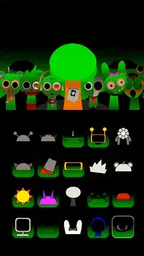
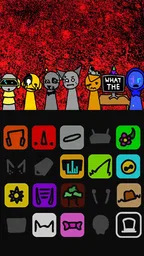
I’d describe Sprunki Monster Music Beats as a playful music game built around making sound, not mastering a conventional rhythm challenge. That distinction matters: I found it most appealing when I treated it as a quick creative toy, experimenting with the game’s monster theme and seeing what kind of musical mood I could make. If you want a polished path of levels, precise scoring, or a deep music-making studio, this is probably not the right pick. If you want a light, approachable way to fiddle with music on your phone, it has a clearer case.
A music game that favors playful experimenting
Made by Dinosaur House, this free music game has a simple premise: spend time with Sprunki Monster and make music. Its appeal is less about following a demanding performance test and more about curiosity—trying things, listening to the result, and deciding whether the sound works for you. I think that makes it easier to dip into than music games that expect sustained concentration or fast reactions.
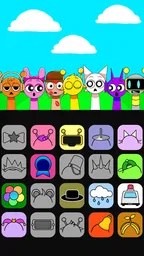
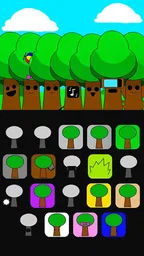
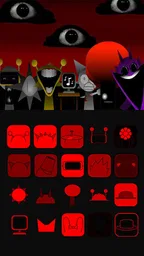
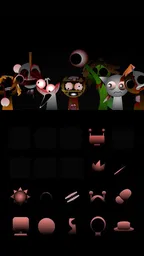
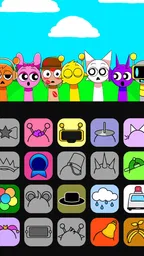
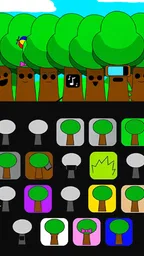
The game’s identity is tied to its monster theme, which gives the music-making idea a distinctive, slightly mischievous tone. That can be a welcome change from rhythm games built around familiar songs or a realistic instrument interface. The trade-off is that players who want a conventional beat game may find the experience looser than they expected. It’s best approached as a playful music activity rather than a test of musical skill.
The central strength is low-pressure experimentation: you can approach it with no particular musical plan and simply explore. That makes it suitable for a short break, a casual shared moment, or a first taste of interactive music play. I wouldn’t recommend it as a replacement for a proper music editor, but it can make the act of trying sounds feel less intimidating.
What makes the experience worth trying
The most useful way to judge a creative game is by asking whether it gives you a reason to return after the first novelty wears off. Here, the draw is the invitation to keep testing musical possibilities rather than treating each session as a race toward a score. That suits players who like tinkering and listening closely, even if they have no musical training.
A practical tip is to play in short, attentive sessions instead of leaving it running while doing something else. With music-focused play, small changes are easier to notice when you give the sound your attention. If a combination feels crowded or doesn’t match the mood you want, pause and try a simpler approach rather than adding more just for the sake of activity. That listening-first habit can make a casual session feel more intentional.
It may also work well as a low-stakes activity to share with a friend or family member. Rather than asking someone to compete or learn a complicated control scheme, invite them to take turns exploring and describing what they hear. This is a better fit for relaxed company than for a group looking for a fast, score-driven party game. The monster styling gives the experience a recognizable hook, while the music focus gives people something to react to together.
That said, “creative” does not automatically mean “deep.” Players who want detailed control over composition, recording, or arranging should look to a dedicated music-making app instead. Likewise, someone who enjoys rhythm games mainly for tight timing, increasingly difficult stages, and clear performance feedback may prefer a more structured alternative. The appeal here depends on enjoying the act of exploring, not on expecting a full production toolkit or a traditional rhythm-game campaign.
Where expectations can get in the way
The biggest potential friction is a mismatch between the broad label of music game and what an individual player wants from one. Some people hear “music game” and expect familiar tracks, note patterns, and a score to beat. Others expect a synthesizer-like playground with extensive control. Sprunki Monster Music Beats is easier to appreciate when you don’t impose either expectation too strongly and instead treat it as a themed, casual music experience.
That open-ended quality can be freeing, but it can also leave goal-oriented players unsure what to do next. If you need a clear checklist, a ranked challenge, or a steady sense of progression to stay engaged, the looser creative premise may not hold your attention. I’d make that decision early: try it when you’re in the mood to explore sound, not when you want a structured challenge to work through.
Another sensible consideration is where and how you play. A music game is most rewarding when you can hear its output clearly, so a noisy commute or a place where sound would disturb others may not be ideal. It can still suit a brief phone break, but the musical element is the point; playing without being able to listen closely makes the experience less satisfying. I’d save it for a quieter moment rather than expect it to work like a silent, menu-based pastime.
It is also worth being realistic about the “make music” promise. Casual experimentation can be enjoyable without giving you the control or precision needed to shape a finished track. If your goal is to compose something for a project, build a polished arrangement, or learn an instrument, use a tool designed specifically for that purpose. This game is better for curiosity and light entertainment than for serious production.
Who will enjoy it most
I’d point this toward players who enjoy sound-based toys, unusual character themes, and activities they can pick up without preparing for a long session. It could suit someone who wants a change from conventional match, platform, or tapping games, especially if the idea of making playful music sounds more inviting than chasing a high score. The Teen content rating is useful context for choosing it for a younger player; as with any app, I’d still make the choice based on the individual and the setting.
For an everyday scenario, imagine having a few minutes between tasks and wanting something more interactive than scrolling but less demanding than a level-based challenge. This is the kind of moment when I’d try a short session: explore, listen, make a few choices, then put the phone away. It may also be a fun option when a child or friend asks what is different about a music game, provided they are happy to experiment rather than receive a formal lesson.
By contrast, I’d steer away anyone who primarily wants a large song library, exact timing grades, or deep controls for arranging and exporting music. Those are reasonable expectations in other parts of the genre, but they point toward different kinds of apps. The best alternative depends on what you value: choose a rhythm game for challenge and performance, or a dedicated music app for control and composition.
Its audience size suggests that plenty of players have been willing to give it a try: it has passed ten million installs, with a 4.7 average from around sixty-nine thousand ratings. I see that as a useful sign of broad appeal, not proof that its open-ended style will suit everyone. The game has 161 written reviews, but I’d still base the decision on whether its particular blend of monsters and casual music play matches your taste.
Practical details and a clear recommendation
Sprunki Monster Music Beats is free, and the current version is 1.0.46. It first appeared on November 29, 2024, and supports Android 7.1 and later. Those details make it straightforward to check basic compatibility before installing. Since it costs nothing to start, it is easy to sample if you are curious, though “free” alone should not be mistaken for a promise that it will meet every music-making need.
My advice is to try it with a specific, modest expectation: spend a few minutes exploring the game as a music-focused diversion. If the process of listening and experimenting is enjoyable in its own right, it has done what you came for. If you quickly find yourself wishing for song challenges, rigorous scoring, or more production control, that is a good sign to switch to a different kind of music app rather than force this one into a role it wasn’t meant to fill.
Overall, I see it as a distinctive casual option for people who want music play with a monster-themed personality and little pressure. Its strength is that it invites curiosity; its limitation is that the same freedom may feel directionless to players who need clear goals or more detailed tools. I’d recommend it to relaxed experimenters, but not to anyone shopping for a serious rhythm challenge or a full music studio.
What we like
- Quick sessions make it easy to play in short bursts.
- The colorful monster designs give the game a distinctive look.
- Experimenting with sounds encourages creative play.
- Simple controls are approachable for younger players.
- Unlockable content can add goals beyond basic music creation.
What could be better
- The music-making options may feel limited to experienced players.
- Repetitive sounds can reduce the appeal over longer sessions.
- Some content may require progress before it becomes available.
- Ads may interrupt play depending on the version.
- Compatibility and performance can vary across devices.







