


Sesame Street Alphabet Kitchen review
 Analysis by Appsdrops
I like educational games best when they give a child something clear to do rather than turning learning into a lecture. Sesame Street Alphabet Kitchen takes that approach through familiar characters and playful literacy activities. In my view, it is most useful as a short, shared activity: a grown-up can sit nearby, let a child explore, and turn a few minutes of screen time into conversation about letters and words.
Small literacy goals make a friendly starting point
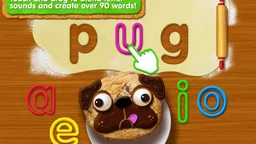
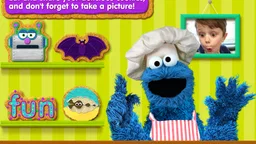
Sesame Street Alphabet Kitchen is an educational game from Sesame Workshop, built around early literacy and vocabulary practice with Elmo and Cookie Monster. That focus gives the play a practical purpose without asking a young child to approach reading like homework. The characters provide a welcoming frame, while the central appeal is the chance to engage with letters and words through play.
The most useful way to introduce it is to keep the first session simple. Rather than expecting a child to master everything at once, I would offer the game as one small activity and ask them to notice what they recognize. A child who is still learning letter names may enjoy spotting familiar shapes; one who already knows some letters can use the same playtime to talk about how letters relate to words. The adult’s questions can make the activity more meaningful without taking over.
It is also a good fit for a specific everyday moment: a short wait at home while dinner is being prepared, or a quiet break when a child wants a little screen time before moving on to something else. In that situation, the game’s literacy theme is more purposeful than handing over a general entertainment app, but it is still approachable as play. I would keep the session brief and follow it with an offline prompt, such as asking the child to find a letter on a book cover or a familiar package.
The game is free to download, which makes it easy to try before deciding whether it belongs in a family’s routine. It is rated Everyone, and its current version is 3.3. The listed minimum operating-system requirement is version 8.0, so it is worth checking device compatibility before planning to use it on an older phone or tablet. The app has been available since September 16, 2016, and its long-running presence suggests it has had time to find an audience, though that alone does not tell me whether its activities suit every child.
Why the Sesame Street setting helps—and where it matters less
Elmo and Cookie Monster are not just decorative names for parents who already know Sesame Street. Familiar characters can make the first step into an educational activity feel less intimidating, especially for children who respond well to recognizable faces. That can help when a child is reluctant to try a new learning game or is more interested in a character-led activity than in a plain alphabet exercise.
Still, I would not assume that character familiarity will hold every child’s attention. Some children want open-ended play, while others prefer a clear challenge or a sense of collecting and unlocking things. This game’s confirmed purpose is early literacy and vocabulary, so I would judge it on whether it supports those interests rather than expect it to behave like a broad adventure game. It is best approached as a focused learning companion, not an all-purpose entertainment choice.
Compared with a basic alphabet flashcard app, the Sesame Street identity gives this experience a warmer, more playful feel. Compared with a full phonics curriculum, it is a lighter option and is easier to use casually, but that also means I would not rely on it as a complete reading program. A parent or teacher looking for structured instruction, detailed progress reports, or a carefully sequenced course should choose a resource designed for those needs. The value here is the approachable bridge between play and literacy practice.
Progress is best noticed through conversation
One thing I would watch for is not simply whether a child spends time in the game, but whether the play leads them to talk about letters or words afterward. For a young learner, saying a letter aloud, recognizing it in a familiar word, or asking what a word means can be a more useful signal than finishing an activity quickly. That is why I recommend staying close enough to notice reactions, even if the child is holding the device independently.
A practical routine is to invite the child to explain one thing they noticed when a session ends. If they point out a letter, ask where else they have seen it. If they mention a word, connect it to something in the room or a storybook. This turns a digital activity into a prompt for real-world practice, without making the child feel quizzed. It is a small adjustment, but it helps the game serve a larger learning goal.
There is a trade-off here: a child who plays alone may still enjoy the characters and activity, but an adult’s brief follow-up can make the literacy connection clearer. Families who want an app that independently tracks a child’s mastery or tells a parent exactly what to teach next may find this less suitable. I would treat it as a source of engaging practice, then use everyday reading and conversation to fill in the broader picture.
The game’s audience is broad enough to include children at different points in early literacy, but that does not mean every activity will feel equally challenging to each child. If a child already reads confidently, basic letter-focused play may feel too simple. If a child is just beginning to notice letters, the familiar presentation may be encouraging, but they may still need an adult to explain or repeat ideas. Matching expectations to the child’s current stage matters more than expecting the app to adapt perfectly to every learner.
A gentle pace suits short sessions, not every learning goal
For a preschool-age child or an early reader, a gentle pace can be a strength. There is less pressure to perform, and a parent can let the child explore at a comfortable rhythm. I would resist turning the game into a timed test or insisting on a long session. A few engaged minutes followed by a story, drawing, or letter hunt can be more useful than extending screen time after attention has faded.
The same relaxed quality can be a limitation for children who need more challenge to stay interested. A child who enjoys difficult puzzles, visible milestones, or a steadily rising level of complexity may prefer a more structured learning game. I would also look elsewhere if the main aim is to teach a complete phonics sequence or build independent reading skills from beginning to end. Sesame Street Alphabet Kitchen can support early exposure, but a single casual game should not carry the full burden of literacy teaching.
Parents may also wonder whether the game is entirely free in everyday use. It is free to start, but in-app purchases are listed at $2.99 per item. I would check the purchase settings on the device before handing it to a child, particularly if the child can navigate menus without supervision. The existence of paid items does not mean a family must buy them, but it is a sensible point to consider when deciding how freely the app can be used.
What keeps children returning, and when to move on
The strongest reason to return is likely the combination of a familiar Sesame Street world and a learning purpose that fits naturally into short play. I would use it as an occasional literacy activity rather than a reward that must be earned or a daily requirement. That approach avoids putting unnecessary pressure on learning and makes it easier to notice whether the child is genuinely interested.
There is a real retention trade-off in any child-focused game: characters can encourage a child to come back, but repeated play is not automatically the same as progress. I would vary the experience with ordinary activities—reading a picture book together, tracing a letter with a finger, or spotting letters on signs—so that screen play remains one tool among several. If the child starts tapping through without engaging or asks for a different activity, that is a good cue to stop rather than push for another round.
The game has an average rating of 3.8 from around 16,000 ratings, with 927 written reviews, and has been installed over 10 million times. Those figures show that it has reached many families, while the rating also leaves room for mixed experiences. I would not use popularity as a substitute for trying it with a particular child. A character-led literacy game can be a hit for one learner and feel too slow or too simple for another.
Who I would recommend it to
I would recommend Sesame Street Alphabet Kitchen to families who want a low-pressure way to bring early letters and vocabulary into a child’s screen time, especially when the child already enjoys Elmo or Cookie Monster. It can also suit a caregiver looking for a short activity to share, because a few questions before and after play can connect the game to real reading and conversation. Its educational focus is clear, and the free entry point makes it reasonable to try.
I would skip it if you need a complete, teacher-like literacy course, a demanding challenge curve, or detailed evidence of a child’s progress. In those cases, a structured phonics app, a guided reading program, or an adult-led book activity is likely to be a better match. I would also choose something else for a child who has little interest in Sesame Street characters and prefers less guided, more open-ended play.
My overall view is that this is a friendly supporting activity, not a replacement for shared reading or instruction. Its best role is a short, cheerful invitation to notice letters and words, followed by a real-world conversation that makes those ideas stick. If that is what you want from an educational game, it is worth trying; if you expect a full curriculum or substantial progression on its own, I would set expectations lower and pair it with more structured learning.
What we like
- Letters are introduced through familiar Sesame Street characters.
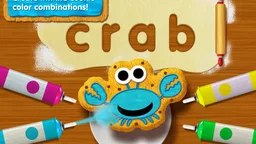
- Baking activities make letter practice feel playful.
- Simple interactions suit young children.
- Short activities work well for brief play sessions.
- The kitchen theme gives learning a clear context.
What could be better
- The activities may be too easy for children who already know the alphabet.
- Repeated baking tasks can feel predictable over time.
- Young children may need help navigating the app.
- Some content may require an internet connection.
- Availability and features can vary by device and region.







