
Rhythm Fire-EDM Shooting Game review
 Analysis by Appsdrops
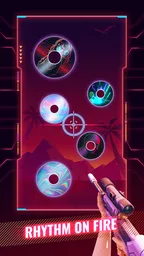
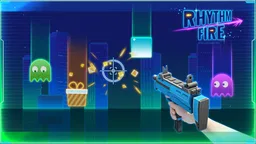
I went into Rhythm Fire-EDM Shooting Game expecting a music game with a shooting theme, and that is the right way to think about it: it asks you to connect aiming and firing with a song’s pulse. That small twist makes it feel different from a conventional rhythm game, where the main job is usually tapping notes, and from a standard shooter, where accuracy matters more than musical timing. My first useful goal would be simple: learn how the game wants you to line up an action with the beat before worrying about playing perfectly.
What to expect from its rhythm-and-aim mix
This is a music game from Adaric Music, built around the idea of using a weapon in time with the soundtrack. The premise is easy to grasp, but it changes how I approach each moment: I’m not just reacting to something on screen; I’m trying to make my response fit the music. That makes the game appealing if you enjoy following a beat and also like the focus involved in aiming.
The key expectation to set is that this is not a realistic shooting game or a deep music-production tool. Its identity comes from combining rhythm play with target-focused action. If you want a familiar instrument-based rhythm experience, this may feel unusual. If you want music to shape the timing of a quick action game, the blend is the point.
The game is free to install, with optional in-app purchases listed from $7.99 to $49.99 per item. I’d treat those purchases as something to consider only after deciding whether the core play suits you, rather than as a necessary first step. The age rating is Everyone 10+, which gives families a useful starting point when deciding whether it is suitable, though I’d still check the store page and device settings before handing a game to a younger player.
It has an average rating of 4.8 from around 15,000 ratings and over 10 million installs. Those figures suggest it has reached a broad audience, but they can’t tell you whether its particular combination of music and aiming will click for you. I’d use the premise itself as the better guide: people who enjoy timing-based challenges are more likely to appreciate it than players looking for a conventional shooter campaign.
Getting ready for a first session
On Android, the listed minimum operating system is version 6.0, and the current version is 1.011. Once it is installed, I’d begin with a short, low-pressure session rather than making a long play session the test. The first few attempts are most useful for understanding how the game connects the beat to your actions; treating them as practice takes the sting out of missed timing.
Before starting, choose a place where you can hear the music clearly. The rhythm is part of the play, not just background decoration, so competing audio can make the central task harder to read. If you usually play with other sound playing nearby, pause it for your first attempt. You can then tell whether a mistake came from your timing or from not hearing the pulse clearly.
I also recommend holding the phone in a comfortable, steady position before you begin. This is a small practical choice, but it helps separate two skills that can otherwise get tangled: keeping your aim under control and responding at the right musical moment. If you keep shifting your grip during a run, it becomes harder to tell whether you need to adjust your timing or simply settle your hands.
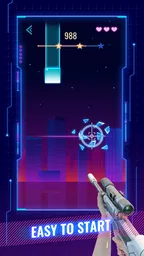
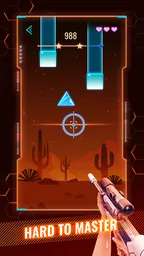
Don’t assume that a familiar rhythm-game habit will transfer perfectly. In a tap-focused game, players often watch for notes and react with repeated finger movements. Here, the shooting theme gives aiming a role, so I’d pay attention to the screen as well as the sound. The useful starting question is not “How fast can I act?” but “What cue tells me the moment is right?”
How to reach a first satisfying success
For a first meaningful win, I’d focus on one clean action rather than trying to perform a whole session flawlessly. Listen for the pulse, keep your attention on the target, and make your response when those two cues feel aligned. If you act too early or late, resist the urge to compensate by rushing the next moment. Reset your attention to the music and try to make the next action deliberate.
This is where the game’s concept can be more rewarding than a basic reaction test. A quick shot may seem like the obvious goal, but a shot that lands in time is the more satisfying one. I found it useful to think in short cycles: listen, line up, act, then listen again. That gives you a simple routine to follow instead of trying to solve the entire game at once.
A realistic everyday use case is a brief break between tasks. If I had a few minutes while waiting for a ride or unwinding after work, I’d use one short session to reset my attention: the music gives me something to follow, while the aiming element keeps the experience active. It is less suited to a moment when I need silence, have only one hand free, or can’t give the screen and audio any attention.
For a more useful practice routine, change only one thing at a time. First, concentrate on hearing the beat; on a later attempt, pay more attention to where you’re aiming. If you alter your grip, volume, and approach all at once, it’s difficult to know what helped. This simple method turns a string of attempts into feedback and can make early progress feel less random.
Where first-time players can get confused
The main source of confusion is likely the overlap between timing and aim. When an action feels wrong, it may be tempting to blame the music or the target immediately. I’d pause for a moment and ask which part slipped: did I lose the beat, or was I not lined up when I acted? Separating those questions gives you a clearer next attempt than repeating the same movement faster.
Another possible mismatch is expecting the music itself to do all the work. A rhythm game can train you to watch for visual prompts, while a shooter encourages you to focus on targets. Rhythm Fire asks you to combine those kinds of attention. If you find yourself staring only at the target, deliberately listen for the pulse; if you’re following the music but missing the action, bring your focus back to the aiming task.
It is also worth distinguishing “I understand the idea” from “I’m already consistent.” The concept is approachable, but timing and aim are separate demands. A rough first attempt doesn’t mean the game is a poor fit. Try a calmer session with fewer distractions before deciding. On the other hand, if you dislike games that require you to coordinate sound with screen action, practice may not change your preference.
Because the game is free with optional purchases, I’d avoid making a purchase simply because an early attempt feels difficult. Give yourself time to decide whether the basic loop is enjoyable. The listed item prices span a wide range, so check the purchase details carefully if you later choose to spend. My rule would be to pay only for something I understand and genuinely want, not as a shortcut around learning the timing.
Who will enjoy it, and what to try instead
I’d recommend it to someone who wants a more active spin on music games, especially if they enjoy aiming challenges and don’t mind learning a slightly unfamiliar rhythm. It may also suit players who like short, focused sessions rather than a long narrative. The premise gives each attempt a clear purpose: use the music to guide the timing while keeping the action in view.
It is probably not the best choice if you want a pure shooting game with realistic weapons, tactical depth, or a story-led campaign. Nor would I choose it for someone who prefers rhythm games built around singing, instrument performance, or tapping a predictable stream of notes. A more traditional rhythm title is the better fit when the music performance is the main attraction; a conventional shooter makes more sense when aiming and combat should stand on their own.
Compared with those usual alternatives, this game’s trade-off is clear. The hybrid idea can make a simple action feel musically expressive, but it asks you to divide attention between audio, target, and timing. That extra coordination is a strength when the pieces come together and a source of friction when you want an uncomplicated game. I’d judge it by whether that combination feels engaging after a few focused tries, not by whether it behaves like either genre in isolation.
What I’d do after the first session
If the first attempt feels promising, make the next one a controlled follow-up: keep the same listening conditions and focus on improving one part of your play. Notice whether you are hearing the beat more clearly or placing your aim more confidently. That small comparison helps you identify what is actually improving and gives you a reason to continue beyond simply repeating attempts.
If you’re still unsure, try it again in a different everyday setting. A quiet break may reveal that the audio is easier to follow than it was in a noisy room, while a short session may show whether the basic loop holds your attention. Don’t force it into every situation: it needs enough focus for the music and screen to work together, so it is a poor pick for distracted play.
Overall, I see Rhythm Fire-EDM Shooting Game as a distinctive free option for players curious about rhythm-based aiming, not a replacement for every music or action game. Adaric Music has built its appeal around a specific mix, and that means the best way to decide is to try a few deliberate attempts. If coordinating beat and aim sounds satisfying, it is worth exploring; if you want either genre without the other, a more traditional alternative will probably suit you better.
What we like
- Rhythm-based aiming makes each level feel active and engaging.
- A wide range of EDM tracks supports varied play sessions.
- Bright visual effects make successful hits easy to spot.
- Short stages suit quick gaming breaks.
- Simple controls are easy for newcomers to learn.
What could be better
- Repeated shooting patterns can make some stages feel predictable.
- Fast effects may be uncomfortable for motion-sensitive players.
- Enjoying the music may depend on personal taste in EDM.
- Accurate timing can be difficult on smaller screens.
- Progress may feel repetitive during longer play sessions.







