
Logo Quiz - World Trivia Game review
 Analysis by Appsdrops
I like logo trivia most when it turns a familiar-looking symbol into a small mystery: I can picture the brand, yet the name refuses to come to mind. Logo Quiz - World Trivia Game is built around that moment, making it a straightforward choice for quick rounds of visual recall rather than a broad collection of trivia subjects. The appeal is easy to understand, but the experience depends on how much you enjoy identifying brands from their marks and how patient you are when a guess does not click.
Getting started and finding your rhythm
This is a trivia game from PrizePool Studios, focused on recognizing logos. It is free to install, with optional in-app purchases priced from $0.99 to $49.99 per item. Its Teen content rating is worth noting for families deciding whether it suits younger players. The game is listed for Android devices running version 6.0 or later, and version 2.0.4 is the current version.
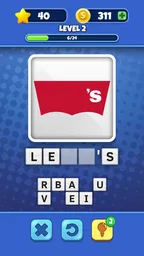
The basic idea needs little explanation: look at a logo and try to identify it. That simplicity is useful when you want to play without learning a complicated rule set, but it also means the fun is concentrated in the puzzle itself. If you already enjoy brand quizzes, you will know quickly whether the format works for you. If you prefer trivia that tests history, science, or general knowledge, this narrower focus may feel repetitive.
One common sticking point with logo games is that recognition and recall are not the same thing. You may know exactly which company a mark belongs to but still struggle to produce the name. I find it helpful to pause and describe what I remember before guessing: the product type, where I have seen it, or a distinctive color or shape. That small mental step can turn a frustrating blank into a useful clue without relying on random answers.
Another source of hesitation is that brands can look different across products, countries, and time. A logo that seems obvious in a familiar context may be harder to place when shown by itself. Rather than treating every miss as a failure of memory, consider whether you have encountered that particular brand often enough to recognize it. The game is most satisfying when a puzzle sparks a genuine “of course” moment, not when success depends on knowing an obscure mark.
Make a quick check before a session
Before blaming the game for a slow start, check the basics: confirm that the device meets the Android minimum, that the app has finished installing, and that the game is running on its latest available version. Keeping the operating system and app reasonably up to date is a sensible first step if something behaves unexpectedly. These checks are simple, but they can prevent a device or installation issue from being mistaken for a puzzle problem.
If you are installing it for a child or sharing a device, review the Teen rating and the purchase controls available through your device’s app store. The game costs nothing to download, but optional purchases are available. I would make that distinction clear before handing over a phone, especially if the device is used by more than one person. You can enjoy the quiz without treating a purchase prompt as part of the challenge.
For a first session, I would choose a moment when you can give the puzzles a little attention rather than opening the game while rushing between tasks. Logo recognition can be surprisingly context-dependent: a distracted glance may make an obvious answer feel unfamiliar. A short, focused play is a better way to judge whether the questions suit your memory and interests than trying to play while switching constantly between messages or other apps.
There is also a useful way to decide whether this is a game you will return to. Notice which misses are enjoyable: do they teach you to recognize a brand next time, or do they feel like arbitrary gaps in your knowledge? That distinction matters more than whether you get a long run of answers right. A logo quiz works best when the challenge feels fair to your everyday experience, even when you need a moment to remember.
Recovering when a round stalls
When I get stuck, I avoid cycling through guesses based on one vague resemblance. Instead, I narrow the possibilities in a fixed order: what kind of company might use this mark, what visual detail stands out, and where might I have seen it? This is particularly helpful for logos that use a simple shape or a familiar color, since those clues can fit many brands. Separating the visual clue from the brand category reduces the temptation to guess the first name that comes to mind.
If a session is interrupted, the safest approach is to return to the game normally and see whether it resumes as expected before repeating actions or making purchases. I would not assume that a lost moment means an answer or progress has been erased; first check what the screen currently shows. If the app appears frozen, closing and reopening it is a reasonable general troubleshooting step. If the issue continues, restarting the device and checking for an available update can help distinguish a temporary hiccup from a persistent problem.
For a puzzle that seems impossible, take a brief mental reset instead of staring at it indefinitely. Look away, then return and search for a different feature: outline, spacing, letterform, or the relationship between the symbol and any visible text. This is not a guaranteed shortcut, but it changes the kind of recall you are using. The practical insight is that a logo can be easier to identify from its structure than from the brand category you first assumed.
It is also worth separating a genuine answer problem from an input problem. If your intended answer is not being accepted, check that you entered it as the game expects and that no stray character or typing mistake slipped in. If the interface itself is not responding, move to basic app and device checks rather than repeatedly submitting the same guess. Treating those as two different problems saves time and avoids concluding that a puzzle is unfair when the issue may be interaction or performance.
What this quiz does well—and where it narrows
The strongest reason to try it is the immediate, recognizable premise. I do not need to set aside a long block of time or prepare for a complex competition; I can test my visual memory in a casual session. That makes it a natural option for a quiet break, a short wait, or a low-pressure challenge with someone nearby. You can take turns proposing answers aloud, which gives the puzzle a social angle without needing the game to become a full party activity.
Compared with general-knowledge trivia, this game asks for a more specific kind of familiarity. A broad quiz can reward reading, recall across many subjects, or educated guesses; a logo puzzle rewards exposure to brands and the ability to retrieve their names from visual cues. That focus is a strength if you like visual recognition, but a limitation if you want every round to feel different in subject matter. Players who prefer word puzzles or questions with explanatory answers may find those alternatives more rewarding.
There is a practical trade-off in choosing a game centered on logos: familiarity varies greatly between players. Someone who follows consumer brands closely may find certain marks easy, while another person may have seen them without ever learning their names. I would not use a score as a measure of general intelligence or trivia skill. It is better understood as a playful test of what brands have made it into your memory.
Logo quizzes can also lose momentum if a player feels pushed to spend whenever progress slows. Since this title includes optional purchases, I recommend deciding in advance whether you want to spend anything and treating the free experience on its own terms. If you are the kind of player who dislikes purchase prompts or prefers games with no optional spending, that may affect your enjoyment even if the core idea appeals to you. The listed purchase range runs from $0.99 to $49.99 per item, so it is sensible to pay attention before confirming anything.
Who will enjoy it, and who should choose something else
I would recommend giving it a try if you enjoy naming brands from a visual clue, like compact casual puzzles, or want a light game to share in conversation. It may also suit someone who enjoys noticing packaging and symbols in everyday life, because the challenge encourages that same kind of observation. The game is free to install, and its audience is substantial: it has passed 10 million installs, with an average rating of 4.8 from around 222,000 ratings and roughly 1,400 written reviews.
Those figures suggest that many players have found the premise appealing, but they cannot predict whether its particular mix of logos will match your own experience. I would skip it if brand recognition is not enjoyable for you, if you want a quiz that teaches a wide range of facts, or if you prefer a narrative game with a sense of progression beyond solving visual prompts. A more varied trivia app is likely a better fit for someone who wants each session to move between different subjects.
For an everyday scenario, imagine waiting for a friend at a café with a few spare minutes. This is the kind of situation where a short logo puzzle can fill the gap without demanding a plan. If you are playing with a companion, take turns identifying what each person notices before saying a brand name; one player may recognize the shape while the other recalls the industry. That makes the activity more conversational and helps keep a difficult prompt from becoming a solo guessing contest.
My practical verdict
My view is that Logo Quiz - World Trivia Game is worth trying if you want a focused, accessible test of visual brand memory. It does not need an elaborate pitch: the central pleasure is recognizing a mark and recovering its name. The developer, PrizePool Studios, has kept the concept easy to approach, and the game’s strong average rating and large player base make it a familiar option in casual trivia, though neither is a substitute for deciding whether you like this kind of puzzle.
The best way to approach it is with modest expectations and a clear preference: treat it as a quick recognition game, not a comprehensive trivia course. Check your device compatibility before installing, keep purchases intentional, and use a calm clue-by-clue method when a logo stalls you. If you enjoy the small satisfaction of suddenly remembering a brand, it can make an ordinary break more engaging. If you would rather learn broad facts or solve varied puzzles, another kind of quiz will probably hold your attention longer.
What we like
- Recognizable logos make questions easy to approach.
- Short rounds suit quick play sessions.
- Hints help when a logo is difficult to identify.
- Progress gives players a clear reason to keep going.
- Trivia can help sharpen visual recognition.
What could be better
- Some logos may be unfamiliar to players outside certain regions.
- Repeated guesses can make later levels feel predictable.
- Hints may be limited or require in-game resources.
- Small logo details can be hard to see on compact screens.
- The experience may feel repetitive for players who prefer varied puzzles.







