



HATSUNE MIKU: COLORFUL STAGE! review
 Analysis by Appsdrops
I can see HATSUNE MIKU: COLORFUL STAGE! working well as a shared-device game when different people in a household enjoy music, anime, or rhythm challenges. It is free to start, easy to pass between players for a quick song, and more focused than a general music app: you follow notes as they arrive and try to keep your timing steady. I’d recommend it to a friend who wants an active, character-led music game, but I would agree on how the device and any purchases are handled before several people take turns.
Taking turns without mixing up the experience
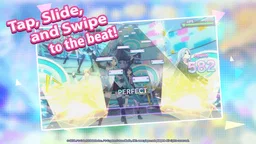
The game is a music title from SEGA CORPORATION, built around Hatsune Miku and other anime-style presentation. Its appeal is not simply listening to songs; the player has to respond to a stream of prompts on screen. That makes a short turn feel like a complete activity, even if someone else is waiting. A child can play a song, hand over the phone, and let an older sibling try the same kind of challenge without needing a long setup between turns.
In a practical household routine, I’d treat it like a shared game rather than a shared music library. One person might play while waiting for dinner, then another can take a turn after chores. The format suits brief sessions, but the timing demands make it less suitable when the room is noisy or when someone needs to keep stopping mid-song. A player who wants background music while doing something else will likely prefer a conventional streaming app.
The useful distinction is that the screen is the activity. Watching the notes and keeping time asks for attention, so I wouldn’t expect a player to supervise another task at the same time. If several people are sharing one phone, agree on turns rather than trying to play around each other. That simple boundary avoids the most likely source of frustration: someone interrupting a run just as the song gets difficult.
One device, different expectations
People sharing a phone may not want the same thing from the game. A fan of Hatsune Miku may care about the characters and musical atmosphere, while a rhythm-game player may focus on accuracy and improving at a song. New players can also find the visual flow busy at first. I’d let each person try a few rounds before deciding whether it works for them; the game’s distinctive style is a real draw for some, but it will not appeal to everyone.
A small practical tip: hand over the device only after the current song and any immediate result screen are finished. That gives the next player a clear start and reduces accidental taps or confusion about whose turn it is. It also makes the game easier to fit into a family’s ordinary routine without inventing a complicated schedule.
Account and purchase boundaries
Because a single device can be used by several people, it is worth deciding who is responsible for the game’s account and store purchases. The title is free to download, with in-app purchases ranging from $0.49 to $79.99 per item. That is a broad enough range that I would not leave purchase decisions to chance on a shared phone. Before handing it to a younger player, make sure the household’s usual app-store purchase protections and expectations are in place.
I would also avoid assuming that a shared device automatically means separate progress or separate player identities. The safest approach is to check how the game is currently set up and decide whether one person is the main player, or whether everyone is comfortable taking turns within the same setup. If keeping each person’s progress distinct matters, verify that arrangement before investing time or money. This is a general setup check, not a reason to avoid the game; it simply prevents a predictable household disagreement later.
For coordination, agree on who can make purchase decisions and whether anyone should spend at all. A child might enjoy playing without needing paid items, while an enthusiast could be more interested in optional spending. I wouldn’t frame an in-app purchase as necessary to enjoy a quick rhythm session. Keeping spending separate from casual turns makes it easier for the game to remain a shared pastime rather than an argument about who bought what.
Learning the rhythm-game feel
The main challenge is translating what appears on screen into consistent timing. My advice for a newcomer is to begin with a song and difficulty that feel manageable, then build confidence before chasing a more demanding run. Trying to match an experienced player immediately is a poor test of whether the game is enjoyable; rhythm titles reward familiarity, and a first attempt can feel much harder than a later one.
On a shared device, this creates a good coaching opportunity: an experienced player can demonstrate how they read the incoming prompts, then let the newcomer try without pressure. But coaching should stay light. The player needs room to find a comfortable rhythm and make mistakes. If someone gets frustrated, a shorter turn or a break is better than insisting on repeating the same challenge.
Another useful trade-off is sound and setting. The musical presentation is central, so playing in a quiet moment with the volume at a considerate level makes the experience more satisfying. In a busy household, headphones may help the player focus, but the game is not a good fit if headphone use would prevent them from hearing people who need their attention. Choose the moment, not just the song.
Age, suitability, and trust
The game has an Everyone content rating, and its music-game format makes it approachable for a wide range of ages. That rating is a helpful starting point, not a substitute for a parent’s judgment about screen time, spending, or a child’s comfort with anime-style characters and fast-moving visuals. I’d let a younger player try it nearby at first, especially if they are new to rhythm games, and see whether they enjoy the pace rather than feeling pressured by it.
For a household, trust comes from clear expectations more than from assuming every player uses the device in the same way. Explain that the game includes optional purchases, decide who can approve them, and set a sensible stopping point for play. Those are practical boundaries for any shared mobile game and are particularly useful here because quick songs can make it tempting to keep taking “just one more” turn.
The game was released on December 6, 2021, and its current version is 6.1.0. It requires Android 8.0 or later. I’d check that the household device meets that minimum before making it the shared option, and keep the app updated through the app store when appropriate. This avoids planning a group session around a device that cannot run the current release.
How it compares with other music games
Compared with a standard music player, this is much more hands-on: you are responding to the music rather than choosing a playlist and letting it run. Compared with a generic rhythm game, its Hatsune Miku identity gives it a more specific anime and character-oriented flavor. That focus is a strength for fans, but it also narrows the audience. If someone in the household wants a broad collection of unrelated music styles or a simple listening experience, another option will suit them better.
For people who already enjoy rhythm games, the appeal is the combination of familiar timing-based play with a distinctive character presentation. For a newcomer, the best comparison is not “a music app with a game mode,” but a game that uses music as its core challenge. Knowing that difference helps set expectations before downloading: it is designed for active play, not for controlling what the whole room listens to.
Its scale is substantial: it has passed 10 million installs, with an average rating of 4.5 from around 166,000 ratings and about 10,000 written reviews. Those figures suggest that many players have found an audience for it, though they cannot tell you whether your household will enjoy its particular songs, visual style, or difficulty. I’d use them as reassurance that it is an established choice, not as a guarantee that it suits every age or taste.
Who I’d recommend it to
I’d suggest HATSUNE MIKU: COLORFUL STAGE! to a household with at least one person who likes Hatsune Miku, anime aesthetics, or games that reward timing and repetition. It is also a reasonable pick for a curious beginner who wants a music game with more personality than a bare score-chasing interface. The free entry point lets someone try the basic experience before deciding whether it deserves a regular place on the device.
I would skip it if the shared phone is mainly used for uninterrupted music, if the players dislike anime presentation, or if no one wants to manage optional purchases and turns. I’d also choose another activity when a player needs to pause frequently, since the rhythm format works best when they can give a song their attention. Those are not flaws that can be fixed by a clever setup; they are genuine differences in what people want from a mobile game.
A sensible household verdict
Overall, I think this is a strong shared-device choice when the household treats it as a turn-taking game and agrees on account and spending boundaries first. Its music-focused play offers a clear reason to pick it up, and the Hatsune Miku identity gives it a personality that ordinary rhythm alternatives may not have. The trade-offs are equally clear: active concentration, a specific visual style, and optional purchases need to fit the family’s habits.
My practical recommendation is to try it during a calm moment, let each interested person take a short turn, and decide together whether the timing challenge and presentation feel fun. Keep purchase approval with the adult or account holder, and do not assume that one shared setup will suit everyone’s progress preferences. If those boundaries feel easy to maintain, it can be an enjoyable addition to a household’s game rotation; if they do not, a simpler, non-purchase-focused music activity is likely the better fit.
What we like
- The rhythm gameplay offers a satisfying challenge for music game fans.
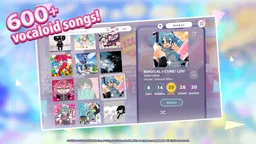
- A wide song selection includes Vocaloid hits and original tracks.
- Live shows add a social element to the experience.
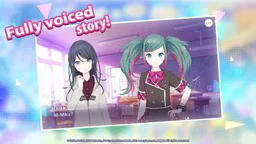
- Character stories give the cast more depth.
- Adjustable note speeds help players find a comfortable pace.
What could be better
- Some songs and features require substantial progress to unlock.
- High difficulty charts may frustrate newcomers.
- Gacha pulls make access to specific cards unpredictable.
- Live shows depend on a stable internet connection.
- Frequent updates can use considerable storage space.







