
Coloring games for kids: 2-5 y review
 Analysis by Appsdrops
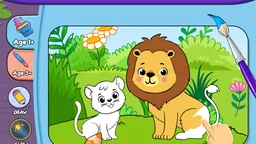
For a young child, a coloring game works best when the first step is obvious and the result feels rewarding right away. Coloring games for kids: 2-5 y, also presented as Glow Doodle!, is built around that approachable idea: little artists can color and draw while exploring a playful, educational activity. I like how the concept makes creative play the starting point rather than asking a child to learn complicated controls before getting to the fun.
A simple first move into coloring
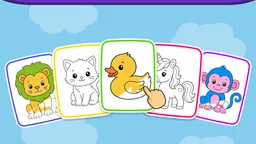
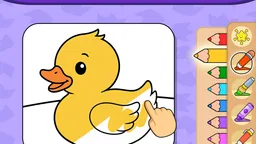
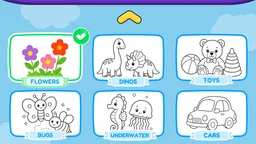
The opening appeal is easy to understand: choose a coloring activity, make marks, and watch a picture take shape. For preschoolers, that direct connection between action and result matters. A child can experiment with colors and drawing without needing to follow a long set of instructions, while an adult can introduce the game in a few simple words: pick a color, draw, and see what happens.
The game is aimed at children aged two to five, so the idea of a low-pressure creative activity feels especially relevant. At this age, a screen-based game does not need to be packed with challenges to hold attention. A clear purpose and room to try things can be enough. Here, coloring and drawing offer a familiar starting point that can suit a quick play session or a quieter moment in the day.
The app’s full name, Coloring games for kids: 2-5 y, makes its intended audience plain, and its store description highlights baby coloring and drawing games for toddlers. That positioning helps parents quickly see what kind of play to expect: an educational game centered on early creative activity, rather than a fast-paced action game or a complex lesson tool.
Making creative play feel approachable
One thing I appreciate about coloring games for this age group is that they give children permission to explore without needing to get an answer right. A child can choose a color, make a line, and decide whether to keep going. That freedom makes the first interaction feel less like a test and more like play. It can also give caregivers an easy way to join in, name colors, or chat about what the child is drawing.
That does not mean every child will use the game in the same way. Some may focus on filling in a picture, while others may be more interested in drawing and experimenting. The central appeal is the creative action itself: a small choice leads to a visible mark, and that mark becomes part of the child’s own work. For preschool play, that simple cause-and-effect is a strong foundation.
Feedback that keeps the activity moving
Coloring naturally provides its own feedback. The child makes a choice and can see the result on the screen, which helps connect an action with an outcome. That rhythm—choose, draw, look, and choose again—is easy to grasp and leaves space for a child to set the pace. It is a gentler kind of engagement than a game that constantly demands a quick response.
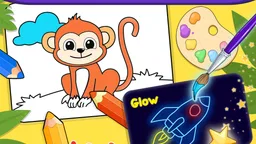
The store summary describes the app as “Glow Doodle!” and presents it as a coloring and drawing experience for toddlers. That wording points to a playful creative mood, while the core promise remains straightforward: color and learn. I would treat the learning aspect as part of the activity rather than expect a structured preschool curriculum. The game’s appeal is the chance to play with color and drawing in an accessible format.
For a parent or caregiver, the visible result can also make it easier to participate without taking over. You can ask a child what color they chose or invite them to describe the picture, then let them continue at their own pace. The game can provide a shared focus for a brief conversation, but the child remains in charge of the creative choices.
The reward is the picture taking shape
In some games, the reward is a score, a new level, or a prize. Here, the most natural reward is the drawing itself. Each mark adds something to the child’s activity, and seeing a picture develop can make the next action feel worthwhile. That kind of payoff is immediate and easy to understand, which suits short attention spans and early creative exploration.
I also like that drawing can be satisfying even when a child does not have a particular goal in mind. There is no need to finish a perfect picture for the activity to have value. Trying a color, changing direction, or simply making another mark can be the reward. This makes the game feel welcoming to children who are still learning how to control their movements and express ideas through art.
For families looking for a preschool coloring game, that emphasis on making something can be more useful than a stream of unrelated distractions. It gives children a clear activity to return to, and it gives adults a simple way to encourage creativity. The best results may come from treating the app as one option in a broader mix of play, alongside drawing on paper, reading, and hands-on activities.
Why another session can begin
A coloring session can end when a child is ready to stop, then begin again later with the same easy premise: choose a color and start creating. That reset is part of the appeal. The activity does not depend on remembering a complicated sequence of moves, so a child can return to it without needing a detailed refresher. A fresh session can feel like another chance to explore rather than a continuation of a demanding challenge.
That repeatable structure is especially practical for families. Some children may want to draw for only a short time; others may enjoy returning to the activity on another occasion. Since the core loop is based on coloring and drawing, the game has a simple reason to invite another try: there is always room to make a new picture or approach the activity differently.
The listing promotes the experience as having no ads, which is a reassuring part of its stated appeal for parents choosing a children’s game. The app is free to download and includes in-app purchases, with individual items priced from $1.99 to $49.99. It is worth keeping that purchase structure in mind when deciding whether the game fits your household’s preferences.
A family-friendly option with a clear purpose
Glow Doodle! is an educational game from Bebi Family, a developer focused on preschool learning games for children. The app has an Everyone content rating and supports devices running Android 7.1 or later. It was released on December 25, 2020, and its current version is 1.07.27. These details make it easier for parents to check whether it suits their device and the child who will use it.
Its reception suggests that plenty of families have tried it: it has more than five million installs, around thirty-five thousand ratings, and about 3,600 written reviews. Its average rating is 4.3. Those figures give a quick sense of its reach and general response, although a rating alone cannot tell you whether its style will appeal to your child. A short supervised try is often the best way to find out whether the coloring approach fits their interests.
What stands out to me is the clarity of the idea. The game is not trying to be everything at once; it presents coloring and drawing as the main activity and places that activity in a preschool-friendly context. That focus can make it easier for a parent to judge whether it belongs in a child’s collection of creative apps.
How it fits into everyday play
For a child between two and five, a useful app is not necessarily one that keeps them occupied for the longest possible time. It can be one that makes a creative activity easy to begin, provides an understandable response, and lets the child stop without frustration. The coloring loop here has those qualities in its basic concept: act, see the result, enjoy the picture, and decide whether to keep going or return another time.
Caregivers can make the experience more engaging by joining the child for a few moments. Rather than directing every choice, try asking what they are drawing or letting them pick the next color. That kind of conversation can turn screen time into a shared creative pause. It also keeps the focus on the child’s ideas, which is often more rewarding than aiming for a polished finished picture.
At the same time, it helps to keep expectations grounded. A coloring app can support playful exploration, but it is not a substitute for every kind of early learning or hands-on art. Children benefit from different experiences, and a digital drawing session works best as one small part of a varied routine. Used that way, this game has a clear role: offer a simple, creative activity when a child wants to color and draw.
My verdict on the play loop
The core loop is easy to sum up: a child chooses to color or draw, sees the result appear, gets the satisfaction of making a picture, and can start fresh whenever they want to play again. That chain gives the game a natural rhythm without requiring a complicated goal. For preschoolers, the freedom to experiment may be the biggest reward.
I would recommend Coloring games for kids: 2-5 y to parents looking for a straightforward kids’ coloring game with an educational, creative focus. Its concept is simple to explain, its intended age range is clear, and the act of making marks gives children an immediate reason to keep exploring. The free download is balanced by in-app purchases, so families should consider that before handing the device over.
Overall, this is a focused option for little ones who enjoy coloring and drawing. It is strongest when treated as a relaxed creative activity rather than a lesson with formal targets. If your child likes making pictures, experimenting with color, and returning to familiar play at their own pace, the app’s action-feedback-reward-reset cycle makes sense—and gives another short session an easy starting point.
What we like
- Simple controls help toddlers color without needing to read.
- Ages two to five can enjoy activities suited to early learners.
- Coloring offers a calm activity for quiet time.
- Pictures give children a chance to explore colors creatively.
- Short activities can fit into brief play sessions.
What could be better
- Some children may need an adult to get started.
- Young users can tap menus by accident.
- Digital coloring offers less hands-on practice than paper and crayons.
- Screen time may need limits for younger children.
- The age range may feel too simple for older preschoolers.







