






Vagaro review
 Analysis by Appsdrops
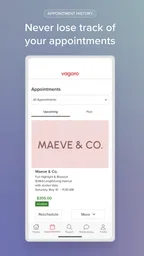
When I need to fit a haircut, massage, or workout into a crowded week, the hard part is often not deciding what I want; it is finding a suitable place and appointment without juggling several business pages. Vagaro is a lifestyle app from Vagaro Inc that brings beauty and fitness bookings into one place. I find it most useful when I have a particular service in mind but am flexible about which local salon, spa, gym, or fitness studio can provide it.
From “I need an appointment” to a shortlist
Vagaro is free to use, and its purpose is straightforward: help people find and book appointments with businesses in beauty and fitness. That focus makes it different from a general calendar or a broad local-search app. Instead of starting with every nearby business, I can approach it with a service in mind and use the app as a booking route.
That service-first approach is handy when I am planning something ordinary, such as a haircut before a busy week, as well as when I want to try a new studio. In the first case, I can look for a business that fits my needs and schedule. In the second, the app gives me a way to explore options without first committing to a phone call or a separate account on every business’s own site.
My practical advice is to begin with the decision that matters most: the service, the area, or the time. If the appointment is urgent, keep the search narrow and be ready to choose among available options. If it is a routine visit, spend more time comparing businesses before booking. This small distinction can save effort: a directory is useful for discovery, but a booking tool is only as helpful as the choices that suit your actual plans.
Choosing a business without rushing
Finding a possible appointment is only the beginning. I would treat the shortlist as a chance to check whether a business is the right fit, rather than choosing the first result that seems convenient. For a beauty appointment, that may mean considering the kind of service and the location; for fitness, it may mean whether the studio’s offering matches the activity I want. The right choice depends on the purpose of the visit, not just the fact that a slot appears.
A useful workflow is to separate “available” from “suitable.” A time that works on a calendar does not automatically make the provider a good match, especially for a service where style, experience, or setting matters to me. I would compare a few plausible options, then narrow down based on the details shown for each business. That is a more reliable way to use a booking app than treating it as a race to tap the earliest appointment.
Vagaro sits in a specific middle ground between calling businesses one by one and using a business’s own booking system. Calling can be better when I need to explain an unusual request or ask several questions before choosing. A business’s own system can be the most direct option when I already know exactly where I want to go. Vagaro makes more sense when I am still comparing and want the appointment search and booking process to happen in one app.
Booking as part of a real week
Imagine I have a free stretch between work and another commitment and want to book a salon visit. I would use that window as a constraint, look for a suitable business, and check whether an appointment fits before I shape the rest of the day around it. That is where a booking app can make a practical difference: it turns a vague plan into a decision I can act on.
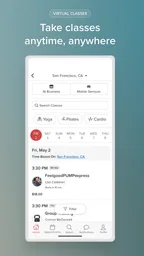
The same process applies to a fitness class or studio visit, though the choice is less about a one-off grooming need and more about whether a place fits a regular routine. I would avoid booking simply because a time is open if getting there would make the rest of the day stressful. Convenience includes the journey and the schedule around the appointment, not only the booking screen.
One non-obvious benefit of keeping discovery and booking together is that it can reduce the number of mental handoffs. When I search in one place, then switch to a browser, then call to ask about availability, it is easy to lose track of which option looked promising. A single app-based path can make comparisons easier to manage, particularly when I am deciding among several businesses rather than returning to a familiar one.
The handoff from app to business
Booking does not remove the business from the process. The appointment is ultimately with the salon, spa, gym, or studio, so the business remains the important point of contact for service-specific details. I would make sure I understand what I am booking before treating the app’s confirmation as the end of the planning. If I have an unusual request or need reassurance about a detail, speaking directly with the business may be the better handoff.
This is especially worth remembering when the service itself has choices or expectations that matter. A booking interface is good at helping me arrange a time; it is not a substitute for explaining what I want to a person when the request needs discussion. I see that as a sensible boundary rather than a flaw unique to Vagaro: convenience is strongest for straightforward appointments, while personal questions can still call for direct communication.
For a routine visit, the flow can be pleasantly simple: identify a business, choose a fitting appointment, and keep the plan in mind for the day. For a first visit, I would give myself more breathing room. I would compare the options carefully and make sure I am comfortable with the choice before committing, rather than assuming that a polished digital path guarantees the experience will suit me.
What the result feels like
The main payoff is practical: I can move from wanting a beauty or fitness appointment to arranging one without treating each business as a separate research project. Vagaro has a 4.0 average from around 7,800 ratings, with roughly 2,700 written reviews, and it has passed one million installs. Those figures suggest a well-used app, but I would still judge it by whether the businesses and appointment options near me match what I need.
I appreciate that its scope is clear. It is not trying to be a general-purpose planner or a broad directory for every kind of local service. The emphasis on personal care and fitness gives the search a useful context. If I am already looking for a salon, spa, gym, or studio, that focus is more relevant than opening a general map and sorting through unrelated places.
Vagaro is also a reasonable fit for someone who books these services occasionally and does not want to remember a collection of separate business systems. It can be useful to keep the discovery and appointment process together, even if I ultimately return to a favorite provider. For someone who books with the same business every time, though, the app’s discovery role may matter less; the business’s own channel could be simpler once that relationship is established.
Where the flow can lose momentum
The biggest limitation is that a convenient booking path cannot make every listed choice equally suitable. If I am particular about a provider, need a special arrangement, or want to discuss the service in detail first, searching and tapping through options may not answer the questions that matter. In those situations, I would contact the business directly before booking, or use its own booking route if that feels clearer.
Availability can also shape the decision more than preference. If I need a specific time, I may have to compromise on the business; if I care more about the business, I may need to be flexible about timing. That trade-off is familiar from appointment booking, but it is worth deciding which side matters before searching. Otherwise, I can spend time browsing options that were never realistic for my schedule.
Another point to keep in mind is that a booking app is only part of the experience. It can help organize the appointment, but it cannot guarantee that the service will meet my expectations or that the chosen location will suit me. For a first visit, I would use the app to arrange the appointment and make my own judgment about the business, rather than treating convenience as a recommendation by itself.
The app is listed for Everyone, and its current version is 5.5.5, with a minimum operating-system requirement of 8.1. It has been available since June 16, 2012, so it is an established option rather than a brand-new experiment. That background may reassure someone looking for a dedicated booking app, although the real test remains whether it works well for the businesses they want to visit.
Who I would recommend it to
I would suggest Vagaro to people who want to compare beauty and fitness businesses and arrange appointments from one place, especially when they are open to trying a new provider. It suits the person who thinks, “I need a service, and I want to see what fits my week,” better than someone who already has a fixed routine with one business and never needs to search elsewhere.
I would skip it as my first choice if I needed a long conversation before booking, if my request was unusual, or if I already preferred a business’s own booking process. In those cases, calling or going directly to the provider’s system can be more reassuring and may avoid an extra step. The app is most useful when the appointment is clear enough to book and the main challenge is finding a suitable option.
Overall, I see Vagaro as a practical tool for turning a beauty or fitness plan into a scheduled visit. Its strongest use is the path from search to shortlist to booking, with the business taking over when personal details need attention. If you approach it as a way to organize choices—not as a guarantee that every option is right for you—it can make appointment planning feel less scattered and more manageable.
My recommendation: try it when you want to compare local salons, spas, gyms, or studios and book a straightforward appointment. Keep direct contact in the plan for questions that need a human answer, and choose based on fit as well as available time. That balance is what makes Vagaro genuinely useful rather than merely convenient.
What we like
- Clients can book appointments online at any time.
- Automated reminders help reduce missed appointments.
- The app supports multiple service businesses and specialties.
- Staff calendars make availability easier to manage.
- Clients can discover local providers through the marketplace.
What could be better
- Some features require a paid Vagaro subscription.
- Payment processing fees may apply to transactions.
- The many tools can take time to learn.
- Marketplace competition may make visibility challenging.
- Some options vary by region or subscription plan.





