
Scentbird Monthly Perfume Box review
 Analysis by Appsdrops
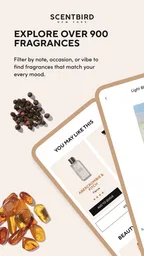
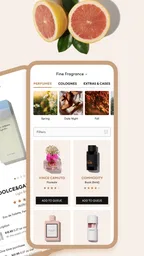
I think of Scentbird Monthly Perfume Box as a way to explore fragrance through an app rather than commit to a full-size bottle after a quick test at a counter. That distinction matters: perfume can smell different on skin than it does on a paper strip, and a scent you enjoy for a few minutes may not suit your routine all day. The app’s central appeal is making discovery the point, with a monthly subscription at the heart of the experience.
Scentbird, Inc. makes this free beauty app, and it is available to everyone. Its audience is sizeable: it has more than a million installs and a 4.7 average from around 41,000 ratings. Those numbers suggest that many people find the concept worthwhile, but they do not tell you whether a subscription suits your taste or habits. I would decide based on how often you like trying new fragrances, how sure you already are about your favorites, and whether you want discovery or a dependable repeat purchase.
Deciding whether a fragrance subscription fits
The first useful question is not “Is this a good perfume app?” but “Do I want a new scent to explore regularly?” If you wear one signature fragrance every day and already know what you like, a straightforward retailer or the brand’s own shopping app may be more convenient. If you enjoy comparing notes, moods, and occasions, Scentbird is a more natural fit because the subscription encourages sampling as an ongoing habit rather than a one-time search.
I would also think about how you make fragrance decisions. Some people can choose from scent descriptions and a shortlist; others need to wear a perfume through a workday, a commute, or an evening before deciding. The latter group is where a discovery service has its clearest practical value. It gives you a reason to assess how a fragrance feels in real life instead of relying only on a first impression in a shop.
The app itself is free to install, but the subscription is the important commitment to understand. “Free” describes access to the app, not a promise that monthly fragrance deliveries cost nothing. Before joining, I would look carefully at the current plan details and any renewal terms shown in the app store or during sign-up. That is a sensible step for any recurring service, especially if you are trying it as a short-term experiment rather than intending to continue.
There is also a difference between wanting variety and wanting a bargain. A subscription may feel worthwhile if the pleasure is in trying scents you might otherwise overlook. It is less compelling if your only goal is to get the lowest possible cost per wear or buy one familiar perfume in a size you already know you will finish. Treat the experience as guided discovery, not automatically as a cheaper replacement for your usual bottle.
Where Scentbird makes discovery easier
The strongest case for Scentbird is the change in scale: instead of making every fragrance purchase feel like a major decision, you can approach a new scent as a trial in your everyday life. That helps with the most common perfume-shopping problem—choosing based on a brief test and later finding the fragrance does not feel right after several hours. The monthly rhythm makes it easier to compare experiences over time, provided you take a moment to notice what you actually like.
My practical tip is to keep a small scent log, even if it is only a note on your phone. Write down the fragrance, when you wore it, the setting, and whether you wanted to reach for it again. This sounds simple, but it turns a sequence of deliveries into useful personal knowledge. After several trials, you may notice that you prefer lighter scents for work, or that a fragrance you liked at first becomes tiring over a long day. That information can make future choices more confident.
A second useful approach is to test each fragrance in a distinct situation rather than wearing a new one only when you are at home. For example, try one on a normal office day and another on a relaxed weekend. That makes the comparison more meaningful: you are evaluating comfort and suitability, not just asking whether a scent smells pleasant in isolation. If you have a sensitive nose or wear perfume sparingly, you can space out your testing rather than feeling obliged to try everything immediately.
The subscription can also help someone who wants a small rotation without owning several full-size bottles. A person who likes changing fragrance with their mood or plans may value the chance to explore more than one direction. I would not assume that every scent will become a favorite; the useful outcome can simply be learning what to avoid next time. In that sense, a disappointing trial is not necessarily wasted if it narrows your preferences.
There is a social use case, too. If you are choosing a fragrance for a new job, a special event, or a trip, trying options in advance is more sensible than buying an unfamiliar full bottle just before the occasion. Give yourself enough time to wear a candidate more than once. A perfume that seems exciting for a single evening might not be the one you want around you during a long day, and the app’s discovery premise works best when you allow that distinction to emerge.
The product has a 4.7 average across about 41,000 ratings, alongside roughly 10,000 written reviews. I take that as a useful sign of broad interest, not a guarantee that the selection or subscription model will match every person. Fragrance is unusually personal: a scent can be popular and still feel wrong on your skin, in your home, or in your workplace. The best test is whether the process of trying and evaluating new options sounds enjoyable to you.
When another way to shop is better
Compared with visiting a department-store fragrance counter, an app-based subscription is more convenient for people who prefer to explore at home and revisit a scent over time. A counter has its own advantage, though: you can smell several options immediately and ask for help in person. If you need a perfume for tomorrow or want to compare many fragrances in one visit, a physical shop is likely the faster route.
Compared with buying directly from a perfume brand, Scentbird is more suited to breadth than loyalty. Brand shopping makes sense when you already know the exact fragrance you want, need a particular product from that label, or prefer to keep your routine consistent. A discovery subscription makes more sense when you are still figuring out your taste. I would not use it to replace a reliable favorite unless I specifically wanted to experiment.
Another alternative is to buy samples or small formats from a retailer. That can be better for someone who wants complete control over which scents to test and when. The trade-off is that you must do the browsing and selection yourself, and a subscription may feel easier if you would rather make discovery a recurring routine. Neither method is universally superior; the key difference is whether you want the structure of a monthly service or the freedom to choose each trial individually.
Scentbird is also not the right pick for someone who dislikes recurring commitments, even when the app is free to download. Before starting, check how the current subscription works and make a note of when you want to review it. If you are only curious about one particular perfume, a one-off sample is probably the cleaner choice. If you are curious about fragrance as a category, a repeating discovery service has a stronger reason to stay in your routine.
One friction point is that app-based discovery still requires patience. You cannot know how a fragrance behaves on you before you try it, and reading about scents is not the same as smelling them. The app can make exploration more organized, but it cannot remove the uncertainty that makes perfume personal. I would approach each selection with curiosity rather than expecting every delivery to be an instant match.
Making the switch without wasting a trial
If you are moving from buying full bottles to exploring through a subscription, start by listing the fragrances you already enjoy and the ones you avoid. Include practical reasons, not just scent preferences: perhaps a perfume feels too strong at work, or you like something that stays close rather than filling a room. This gives you a useful reference when deciding what to try and makes it less likely that you repeat experiments that have already taught you little.
For a realistic routine, imagine someone who usually wears perfume only on weekdays. They could test a new scent on a typical workday, note how it feels after several hours, then wear it again on a weekend before deciding whether it belongs in their rotation. That is a better evaluation than spraying it once before leaving home and making a permanent judgment. It also avoids treating a subscription as a box to rush through rather than a tool for learning.
Another trade-off is choice overload. If you enjoy browsing but find it hard to decide, narrow your personal criteria to two or three things before selecting: the setting where you will wear it, the general mood you want, and whether you want something familiar or different. That small filter makes exploration more intentional. On the other hand, if choosing itself is part of the fun, do not over-plan; let a trial surprise you and record what you learn afterward.
The app’s current version is 3.75.0, and it requires Android 6.0 or later. Those details are helpful if you are checking device compatibility before installing. The app is categorized under beauty, which fits its focus on personal fragrance rather than general online shopping. I would still judge it primarily as a subscription and discovery experience: the practical question is whether its approach suits how you want to find and wear perfume.
Since the service is intended for everyone, it is not presented as an age-restricted app. That does not mean every fragrance choice will suit every wearer or setting; workplace expectations, personal sensitivity, and individual taste still matter. If you share a space with others, testing a scent lightly and checking how it feels over time is more considerate than assuming a fragrance that works for you will work equally well around everyone.
My recommendation for the right kind of fragrance shopper
I would recommend Scentbird to someone who enjoys variety, wants to learn their preferences through real wear, and is comfortable considering a monthly subscription rather than making isolated purchases. The app is most useful when you treat each fragrance as an experiment: wear it in a meaningful setting, give it time, and keep track of what worked. That turns discovery into a practical process rather than a succession of random picks.
I would skip it if you already have a dependable signature scent, want a particular bottle immediately, or dislike recurring services. In those cases, a direct purchase, a shop visit, or individually chosen samples may involve less friction. The right choice depends less on the app’s popularity than on whether you genuinely want a rotating fragrance experience.
Overall, I see this as a focused beauty app for curious perfume wearers, not a universal replacement for traditional shopping. It is free to download, has a strong 4.7 average, and has been available since September 11, 2019, but the more important point is the habit it supports: testing scents in your own life before deciding what deserves a lasting place. If that sounds enjoyable, the subscription-led discovery approach is worth considering; if you value certainty and convenience above novelty, stick with the buying method that already works for you.
What we like
- Try new designer fragrances without buying full-size bottles
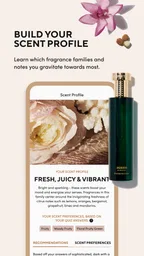
- Choose scents that match your personal preferences
- A travel-friendly atomizer is easy to carry
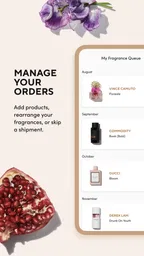
- Monthly deliveries make it simple to explore new fragrances
- The subscription can be paused or canceled
What could be better
- The monthly fee adds up over time
- Fragrance preferences can be difficult to match online
- Some popular scents may be unavailable
- Shipping times can vary by location
- A sample may not last the entire month





