
RentRedi for Tenants & Owners review
 Analysis by Appsdrops
I can see why RentRedi would appeal quickly: rent, tenant screening, and property-related tasks all sit under one roof rather than being scattered across messages, paper records, and separate apps. But a property-management tool earns a lasting place on a phone through routine, not novelty. Its real test is whether tenants and owners can keep using it month after month without turning simple rental tasks into extra admin.
Where the first week can make a difference
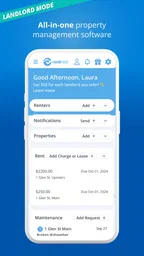
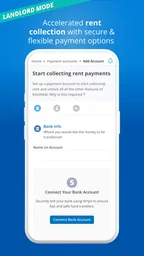
RentRedi is a free House & Home app from RentRedi Inc, built around the relationship between landlords and tenants. The central idea is practical: use a shared digital service for rent collection and tenant screening instead of relying entirely on manual coordination. For someone beginning a rental arrangement, having a dedicated place to handle those responsibilities can feel tidier than juggling texts, reminders, and separate paperwork.
The first-week benefit is strongest when both sides are ready to use the same process. An owner who already wants a digital approach can invite a tenant to follow that routine, while a tenant can have a clearer place to check the app when a rental task comes up. That shared expectation matters: an app cannot make communication organized if one person keeps making separate arrangements elsewhere.
I would treat the first setup as a chance to establish habits, not as a reason to move every conversation into the app. Agree on which rental tasks belong there and which still need a direct conversation. That simple boundary can prevent confusion later, especially when a tenant has a question that needs a human answer rather than another app check.
For a prospective tenant, screening is relevant before move-in, while rent collection matters repeatedly afterward. That gives the app a broader role than a one-time application tool. Still, tenants should ask the landlord how they expect RentRedi to fit into the rental process; the usefulness depends partly on whether the owner actively uses it rather than merely having it installed.
A practical routine for owners and tenants
Imagine an owner managing a rental while handling work and household commitments. A payment is due, and the owner wants to avoid searching through old messages to remember what was agreed. A shared rental-management app can make that routine easier to keep in view. The benefit is not magic automation; it is reducing the number of places the two people need to consult for recurring rental business.
For tenants, the same scenario has a different payoff. Rather than wondering whether a rental task was handled through a message, a phone call, or a paper note, they can make the app part of their normal check-in. I would still keep personal records of important agreements and payments. A convenient app is useful, but it should not be treated as a reason to stop reading confirmations or keeping documentation.
One useful trade-off is that a shared system creates consistency only when both parties honor it. If an owner changes the process from week to week, the app may become one more stop instead of the main one. Before relying on it, tenants can ask what they should use for payment-related questions and how the landlord wants other concerns reported.
Why recurring use matters more than a polished start
Rent is not a task most people want to think about every day. That is precisely why a rental app should make the occasional, important check straightforward. RentRedi’s lasting value is likely to come from being the familiar place to return to when a recurring obligation comes around, rather than from offering constant reasons to open it.
The app’s role also changes over time. Screening belongs mainly to the beginning of a rental relationship, while rent collection remains relevant throughout it. That split is worth considering before installing: an owner may find the screening function useful during tenant selection but judge the app mostly by the ongoing payment routine afterward. A tenant may never need screening at all, so their experience rests more heavily on whether the landlord’s use of the app makes ordinary rental life clearer.
With a 4.4 average from around 4,700 ratings, RentRedi has attracted a substantial audience, and it has more than 100,000 installs. Those figures suggest that many people have considered it for rental management, but they do not tell me whether it suits a particular lease or household. The better question is whether the landlord and tenant can agree on a reliable routine and stick with it.
The small habits that keep it useful
I would make the app more dependable by pairing it with a simple personal routine: check it when handling rent, review any relevant confirmation, and keep essential rental documents somewhere you can find them independently. This avoids two common mistakes—forgetting to check a service that is meant to centralize tasks, or assuming that the app replaces every record-keeping responsibility.
Owners can also make the experience easier by explaining the expected workflow before a tenant needs to use it. A brief conversation about what goes through RentRedi and what should be raised directly can head off avoidable back-and-forth. That is a particularly useful step when a tenant is not accustomed to app-based rental management.
For tenants who manage several household apps already, restraint is important. I would not install RentRedi simply because a landlord mentions it and then expect it to organize the entire tenancy by itself. Use it for the tasks the owner actually handles there, and keep direct communication available for anything that needs explanation or judgment.
Maintenance, friction, and the risk of app fatigue
No rental app removes the need for clear communication, and a digital process can add friction if the people involved are not aligned. A tenant may prefer to speak directly with an owner, while an owner may want a more consistent digital routine. Neither preference is automatically wrong, but a mismatch can lead to duplicated messages and uncertainty about which channel matters.
There is also a difference between an app being available and a landlord maintaining a useful process around it. If the owner does not keep the rental workflow consistent, the tenant has little reason to build a habit around the app. That is a genuine limitation of shared property-management tools: their value depends on participation, not just installation.
App fatigue is another consideration. People already use their phones for banking, work, household planning, and communication. A tenant who only needs to interact with RentRedi occasionally may not want to check yet another app unless it clearly reduces confusion. Owners have a stronger reason to keep it in their routine because rent collection and screening are directly tied to their responsibilities, but even they should avoid creating duplicate processes that make the app feel optional.
The app is rated for Everyone, and it is free to download. That lowers the initial barrier to trying it, but it does not mean every owner-tenant arrangement is a good match. Cost is only one part of the decision; convenience depends on the rental process, the other person’s willingness to use the same system, and whether a dedicated app feels simpler than the arrangement already in place.
Who should choose it—and who may be happier without it
I see RentRedi as a better fit for landlords who want a digital home for recurring rental tasks and tenants whose owners actively use that system. It may be especially useful when an owner wants tenant screening and ongoing rent collection to sit within one property-management approach, rather than treating each as an unrelated task.
It is less compelling for a tenant whose landlord does not use it consistently, or for someone who has a straightforward arrangement already handled clearly through another agreed method. An owner with very limited rental needs may also decide that a dedicated app adds more routine than it removes. In those situations, a simple, mutually understood payment and communication process may be preferable.
Compared with the usual alternatives—messages, spreadsheets, paper notes, and separate tools for different rental tasks—RentRedi’s main advantage is having a purpose-built place for rental management. The trade-off is that a dedicated system asks everyone to learn and maintain one more channel. A spreadsheet can be flexible for an owner who likes manual tracking; direct communication can feel more natural for a tenant who prefers personal contact. Neither alternative automatically offers the same shared structure, but either can be the better fit when both parties already use it reliably.
What to expect as the app evolves
RentRedi was released on May 8, 2017, and its current version is 6.671. It supports Android 7.0 and later, which may matter to someone using an older device. Those details make it easier to judge basic compatibility, but the practical decision should still come down to whether the app fits the rental workflow you and the other person have agreed on.
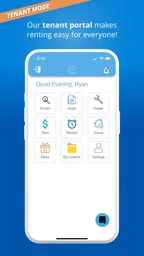
Because tenants and owners use the app for different parts of the relationship, I would not judge it from the perspective of only one side. Owners should consider how consistently they will manage their rental tasks there. Tenants should find out what their landlord expects them to do in the app and whether they can still get a clear answer when a situation needs personal attention.
My long-term take
RentRedi has a plausible reason to stay installed after the first week: rent-related responsibilities recur, and a shared place for handling them can be more orderly than a trail of scattered messages. The strongest case is for an owner committed to a consistent digital process and tenants who want to follow that process. Its central weakness is just as practical: if people use it inconsistently, it risks becoming an extra chore rather than a dependable habit.
I would recommend trying it when both sides are prepared to make it part of the rental routine, while keeping important records and direct communication in good order. If the landlord will not use it consistently, or if the existing arrangement is already clear and reliable, there is little reason to add another app simply for its own sake. For the right rental relationship, though, its recurring role can justify the space it takes on a phone long after the initial appeal wears off.
What we like
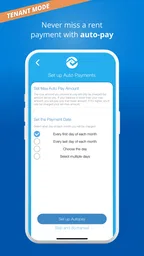
- Tenants can pay rent online through the app.
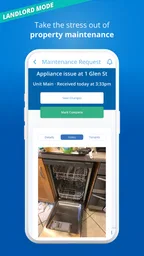
- Maintenance requests can include photos and status updates.
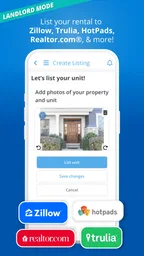
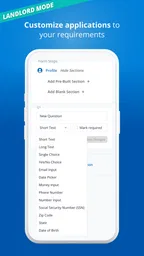
- Owners can screen applicants and manage leases in one place.
- Rent reminders help tenants keep track of upcoming payments.
- The app supports communication between tenants and property owners.
What could be better
- Some features require an active RentRedi account.
- Available tools may depend on the owner's subscription plan.
- Rent payment processing may involve additional fees.
- App performance can vary across devices and operating system versions.
- Users may need to contact their property owner to resolve account issues.





