




Quran Audio Player: Quranify review
 Analysis by Appsdrops
I see Quran Audio Player: Quranify as a focused companion for people who want the Quran to be part of a quiet daily routine, rather than another all-purpose lifestyle app. Its appeal is the pairing of reading with recitation: you can turn to the text when you want to follow along, or listen when your eyes and hands are occupied. That makes it especially appealing for reflective moments, winding down, or creating a calmer space at home. My main reservation is that listeners looking for extensive controls or a highly customizable study tool may want to compare it with a dedicated Quran app before settling in.
Reading and listening in one routine
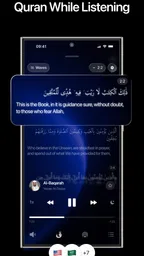
The practical strength of Quranify is its clear focus on Ayat and the Holy Quran, with reciters intended to support concentration and sleep. That focus matters. Many people switch between a text app, an audio player, and a separate bedtime routine; an app built around both reading and listening offers a more direct path from one mode to the other. I would use it when I want the words in view during a short reading session, then continue listening without turning the moment into a search for another tool.
Audio can also make Quran engagement easier to fit around ordinary tasks. If I am preparing for bed, for example, I can choose listening over scrolling through unrelated media. During a quiet break, reading gives me a more deliberate experience; at the end of the day, listening can feel less demanding. Those are different needs, and the value here is having both under the same Quran-centered purpose.
There is a useful distinction between listening for focus and listening for sleep. Focus listening tends to work best when I am alert enough to follow a recitation or keep the text nearby. Sleep listening is a different habit: I want a peaceful atmosphere, not an interaction-heavy session. I would treat the app as a way to start that routine, while keeping the phone’s sound level and bedtime settings under my own control. An audio app cannot make a room quiet or guarantee better sleep, but it can give the wind-down period a more intentional soundtrack.
The app is in the Lifestyle category, and that feels appropriate because the strongest use case is a regular personal practice rather than a one-off reference lookup. Media Content Labs, LLC is the developer. The app is free to install, while optional in-app purchases are listed from $9.99 to $49.99 per item. I would begin with the free experience and decide whether any paid option is worth considering only after checking what it offers inside the app and whether it fits my routine.
Where the combined format helps
Reading and listening serve different attention levels. Reading is better when I have a few uninterrupted minutes and want to follow the text closely. Audio is more convenient when I am resting or doing a simple task. A combined approach also helps avoid a common friction point: deciding whether a moment is “long enough” to engage. A short pause can be a listening moment; a quieter stretch can become reading time.
One practical tip is to decide what kind of session you want before opening the app. If the goal is rest, avoid turning the session into a prolonged search for the perfect recitation. If the goal is attentive reading, settle somewhere comfortable and keep distractions out of reach. This small choice helps preserve the difference between a soothing background and a focused encounter with the text.
Another useful approach is to use audio as a bridge rather than a substitute for reading. I might listen first to ease into a calm state, then read when I am ready to give the words fuller attention. On another day, the reverse may suit me: read briefly, then listen while preparing to sleep. The app’s central idea supports both patterns without requiring a rigid schedule.
What the audience response suggests
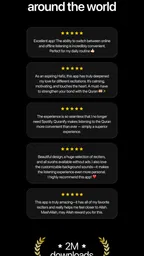
Quranify has a 4.8 average rating from around 100,000 ratings, and it has passed one million installs. Those figures suggest that it has reached a substantial audience and that many users respond positively. They are useful context, but I would not treat popularity as proof that it suits every listener. A person who wants a simple devotional audio-and-reading routine may value the same focus that a detail-oriented learner finds limiting.
It is rated for Everyone, which makes it broadly accessible as an app listing, but that does not answer every personal question about fit. A family choosing a shared device should still consider how each person uses audio and reading apps, and whether the available experience meets their needs. The useful test is not simply whether the app is popular; it is whether its approach matches the way you want to read or listen.
The current version is 2.4.0, and the app was released on March 7, 2026. For a new user, those details are less important than trying the basic flow: open the app, see whether reading and listening feel straightforward, and assess whether the sound experience works in your usual setting. If a feature or paid option matters to you, check it directly in the app before building a routine around it.
The trade-off: a focused tool is not automatically a study suite
The same narrow purpose that makes Quranify easy to understand can also set limits. Its central promise is reading and listening, so I would not choose it on the assumption that it also provides every tool found in a specialist study or memorization app. People who need detailed search, learning aids, extensive organization, or precise playback controls should verify those needs before relying on it. I would rather see a focused app judged on the experience it actually offers than assume a broad feature set from its subject matter.
There is also a practical tension in using an audio app for sleep. If you need to adjust the phone repeatedly, browse around, or keep the display active, the device itself can interrupt the calm you are trying to create. I recommend setting up the session before settling down, lowering the volume to a comfortable level, and using the phone’s own sleep or sound settings where appropriate. That is not a criticism of the recitation; it is a reminder that the listening environment matters as much as the content.
Paid options deserve a similarly measured approach. The listed in-app purchases range from $9.99 to $49.99 per item, so the free starting point is useful for deciding whether the app belongs in your routine. I would not buy anything simply because I like the general idea. First identify a specific need that the paid option addresses, then confirm its contents and terms in the app store or within the app before paying.
Who will get the most from it
I would recommend Quranify to someone who wants Quran reading and recitation in one place and values a calm, uncomplicated purpose. It is a plausible fit for a person building a brief morning or evening habit, someone who prefers listening during a quiet household task, or a reader who wants an audio option when sitting down with text is not convenient. It may also suit a listener who wants to replace casual late-night scrolling with a more intentional routine.
For a realistic everyday example, imagine arriving home tired and wanting a few minutes away from messages. You could open the app for a short listening session while making tea, then switch to reading once you have settled. The advantage is not a special trick; it is that the same Quran-centered app can accommodate a change in attention. If you have only a few minutes, listening may be the easier entry point. If you have more time, reading can make the session more active.
I would be more cautious about recommending it to someone whose priority is academic research, memorization workflows, or granular audio management. In those cases, a dedicated Quran study or recitation tool may be a better match, provided it offers the controls and reference features that person needs. Likewise, if you already have a trusted reader and audio app that serve your practice well, switching may not add enough value to justify another installation.
Compared with the usual alternatives, Quranify’s clearest distinction is its combined reading-and-listening emphasis for focus and sleep. A general music or audio player can play sound, but it is not inherently organized around Quran engagement. A text-only reader supports reading but does not address the listening side in the same way. On the other hand, a specialist Quran app may offer a broader toolkit. The right choice depends on whether you want a calm, dual-mode companion or a deeper set of study controls.
A sensible way to try it
My advice is to test the app in two settings rather than judge it from a single quick visit. Try a reading session when you can give the text attention, then try listening at a time when audio would naturally fit, such as a quiet break or bedtime. Notice whether moving between those modes feels convenient and whether you can use the app without turning the session into phone browsing.
Then consider your own non-negotiables. If you need a particular reciter, a specific playback behavior, or an advanced reading aid, confirm that the app supports it before depending on it. If your needs are simply to read and listen in a focused setting, the central idea may be enough. Keeping that distinction clear can save both time and an unnecessary purchase.
For a first run, I would also separate the app’s role from the rest of the bedtime routine. Choose a comfortable volume, decide whether you want to follow along visually, and keep the screen interaction brief. If you are reading, give yourself a clear stopping point; if you are listening to unwind, avoid repeatedly changing selections. These small choices make it easier to tell whether the app itself suits you, rather than confusing the experience with a distracting setup.
My verdict: Quranify is most convincing as a focused lifestyle app for people who want Quran reading and recitation to fit naturally into everyday quiet moments. Its dual format gives it a clear reason to exist, and the large audience and strong average rating make it a reasonable app to try. Its limits are equally important: it should not be assumed to replace a specialized study tool, and its paid options deserve a deliberate look before purchase.
If you want a straightforward way to move between reading and listening, I would start with the free experience and see whether it supports a routine you will actually keep. If you need advanced study features or precise playback customization, compare alternatives first. For the right listener, Quranify can be a useful companion; its best quality is not doing everything, but keeping its attention on a specific and meaningful daily use.
What we like
- Offers a focused way to listen to Quran recitations on mobile.
- Audio playback can suit listening during commutes or quiet moments.
- A dedicated Quran player keeps recitation content easy to find.
- Can support regular listening without needing a physical Quran.
- Useful for listeners who prefer audio over reading on a screen.
What could be better
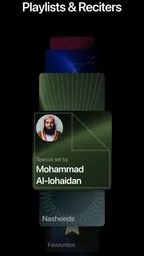
- Recitation choices may be limited compared with larger audio platforms.
- Audio streaming may use mobile data without a Wi-Fi connection.
- Playback quality can depend on the selected recording and connection.
- Listeners may need to verify translations and reciter details themselves.
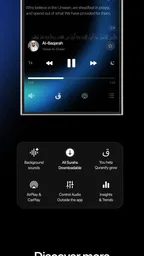
- Background playback and offline access may vary by device or app version.





