


Pocket Saga - Short Dramas review
 Analysis by Appsdrops
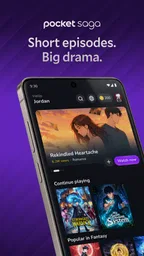
I can see why Pocket Saga might catch someone’s attention during a spare moment: it focuses on short-form dramatic storytelling rather than asking for a long evening in front of a screen. PocketFM’s entertainment app is built around serialized stories, with genres such as fantasy, romance, and romantasy. My first impression is that it suits people who like a strong emotional hook and a continuing plot, but its lasting value depends on whether those stories become part of your routine rather than a brief novelty.
Quick stories make a strong first impression
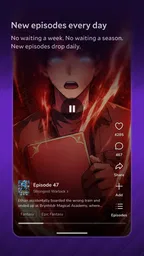
The central appeal is easy to understand. Instead of choosing a full-length film or committing to a lengthy show, I can open Pocket Saga and spend a short break with a drama that is designed to continue. That format fits the little gaps in a day: a quiet lunch, a few minutes before bed, or the pause between errands. The short-episode approach makes starting feel less demanding than pressing play on a long episode when I am not sure I have time to finish it.
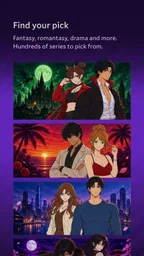
The genre mix gives the app a particular personality. Romance and fantasy are familiar ingredients, while romantasy brings them together for viewers who want both relationship tension and an imagined world. That combination is more specific than a general video library. I would try it if I enjoy heightened emotions, cliffhangers, and plots that are easy to pick back up. If I mainly want documentaries, comedy clips, live programming, or a broad catalogue of conventional television, this is unlikely to replace my usual streaming service.
In practical use, the short format works best when I treat it as a small piece of entertainment, not as a substitute for every kind of viewing. A useful habit is to choose one series for a particular part of the day and give it a few episodes before deciding whether its characters and premise have earned my attention. That avoids the common trap of sampling several dramatic openings and remembering none of them. It also helps reveal whether the app’s storytelling style suits me beyond the initial hook.
The first-week experience is likely to be driven by discovery: finding a premise that matches my mood and seeing whether the next installment keeps its promise. That is a genuine strength of serialized short drama, but it also creates a trade-off. A cliffhanger can make a brief session feel satisfying and leave me curious, yet it can also make stopping feel less natural. I would use the app when I have time for a deliberate break, rather than opening it automatically whenever I am trying to avoid a task.
Finding a place for it in a normal routine
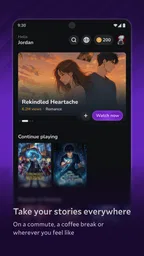
For an everyday example, imagine I have ten minutes after lunch and want something more absorbing than scrolling through disconnected clips. A short drama can give that break a clear beginning: I return to a continuing story, follow a scene, and leave with a sense of what is happening. Later, I can resume when I have another small window. That use case is more convincing to me than trying to watch several installments late at night, when a string of cliffhangers can stretch a quick visit into a longer session.
I would also match the genre to the moment. Romance may work when I want character tension, while fantasy or romantasy may be a better choice when I want a more escapist setting. The practical tip is to pick based on the kind of story I want, not simply whichever title looks most dramatic in the moment. With serialized viewing, a premise that genuinely interests me is more likely to keep its appeal after the opening scenes.
Whether it earns a place after the first week
Short dramas can keep their value when they turn into a light routine: a few minutes with a story during a break, then a return to it another day. That rhythm is the strongest reason I can see for keeping this app installed. Unlike a film that asks for a single uninterrupted block of time, a serialized format can fit around a busy schedule. The question is whether I enjoy the ongoing story enough to want that repeated visit, not whether the first episode ends on an effective hook.
I would judge month-to-month value by the range of stories I actually want to follow and by how often I reach for the app without feeling nudged into watching. The available focus on fantasy, romance, and romantasy gives it a recognizable lane, which is helpful if those are my genres. It may feel narrower if my tastes change often or I prefer a mix of scripted series, films, news, and creator videos in one place. In that case, a broad streaming or video platform is a more flexible everyday choice.
The app is free to install, and its in-app purchases range from nineteen cents to just under five hundred dollars per item. That wide spread makes it worth checking the cost attached to any purchase before confirming it, especially if I am testing the service rather than already committed to a series. I would set a personal spending limit in advance and treat optional purchases as a deliberate choice, not as an automatic part of following a story. The free starting point is useful, but it does not mean every way of continuing or using the app will have no cost.
That distinction matters because serial drama is naturally good at creating anticipation. When an episode leaves a question unresolved, I may feel tempted to continue immediately. My advice is to decide how I want to use the app before a cliffhanger makes the decision for me: perhaps one short visit during a break, or a chosen amount of time in the evening. If I find myself spending more than intended, I would pause and reassess rather than assume that every purchase is necessary to enjoy the app.
There is also a difference between a short episode and a short total session. Individual installments may be easy to fit into a schedule, but several in a row can add up. For anyone trying to protect sleep or reduce screen time, I would avoid starting a new chapter right before bed and choose a stopping point earlier in the evening. That is not a flaw unique to this app; it is a practical consequence of designing stories to make the next part appealing.
Keeping the app useful without making it a chore
Maintenance is relatively simple in concept: keep the app available for the moments when a continuing drama is what I want, and remove it if I stop returning to it. Pocket Saga is listed as version 1.46.2 and supports Android 8.0 or later. I would check that my device meets that requirement before downloading, then keep the app updated through the app store so I am using a current release. That is a basic upkeep step, not a reason to expect that every device will behave identically.
The app is rated Teen, so I would consider that when deciding whether it is suitable for a younger viewer, and I would still use my own judgment about specific stories. A broad age label can help set expectations, but it does not replace checking whether a particular drama’s themes fit the person watching. For a household sharing devices, that small check is more useful than assuming every title will have the same tone just because the app centers on short entertainment.
One useful workflow is to give a series a fair but limited trial: sample enough to understand its main conflict, then stop if the characters or tone are not working for me. Another is to avoid browsing when I only have a minute; choosing a story in advance makes a short break feel more intentional and reduces aimless discovery. These habits help the app serve a purpose instead of becoming another icon I open reflexively. If I have not chosen a series I care about, there is little reason to keep checking in simply because new viewing is available.
PocketFM is the developer, and the app has a 4.7 average from around fifteen thousand ratings, with about seventeen hundred written reviews. It has been installed over a million times. Those figures suggest that the short-drama format has found an audience, but they cannot tell me whether I will enjoy its particular stories or whether I will keep using it. I would treat them as context, then make my decision based on my own taste and spending habits.
Where the format can start to feel tiring
The same serialized structure that makes Pocket Saga convenient can also become tiring. If every viewing session depends on unresolved tension, I may eventually feel that I am being pulled forward more than rewarded in the moment. Short installments can make progress feel quick, but they can also leave me wanting a more complete emotional payoff before I put the phone down. I would not choose this as my main source of entertainment when I want a self-contained story or a carefully paced film.
Genre focus can be another limit. The emphasis on romance, fantasy, and romantasy is a strength for someone who actively seeks those stories, but a weakness for someone whose interests lean toward crime, realistic drama, nonfiction, or comedy. Even within a preferred genre, repeated reliance on familiar romantic tension or fantastical stakes could lose its freshness. If I notice that I am watching out of habit rather than caring about what happens, that is a good sign to take a break or switch to a different kind of entertainment.
There is also a sensible reason to compare it with alternatives before making it a regular habit. A conventional streaming service is better when I want full episodes, films, or a wider mix of genres. Free video platforms can be more suitable when I want casual, self-contained clips rather than a story that asks me to remember ongoing characters and conflicts. Pocket Saga has a clearer case when I specifically want serialized short drama and can enjoy it in small sessions. Its value comes from that focused format, not from replacing every other app on my device.
For someone who dislikes cliffhangers, prefers to watch at a steady pace without prompts to continue, or wants a story to resolve within one sitting, I would recommend a different format. Likewise, anyone who is sensitive to in-app spending should pay attention before making purchases and decide whether the free experience meets their needs. These are not reasons everyone should avoid the app; they are the conditions that determine whether its particular style feels entertaining or frustrating.
My long-term verdict
Pocket Saga is easiest to recommend to a friend who enjoys romance and fantasy, likes serialized plots, and wants entertainment that can fit into short breaks. The free download makes it straightforward to try, while the Teen rating and broad in-app purchase range are worth keeping in mind. PocketFM’s app has a distinct purpose, and I find that more appealing than a service that tries to be everything at once.
For lasting value, I would not measure it by how many episodes I can watch in one sitting. I would ask whether a story makes me glad to return, whether the short format fits my real schedule, and whether I can stop when I mean to. If the answers are yes, the app could earn a modest, useful place in my routine. If the novelty fades, the genres do not suit me, or the spending model starts to feel uncomfortable, there is no need to force the habit.
My overall view is positive but specific: this is a focused option for short, ongoing drama, not a universal entertainment library. I would try it when I want a compact story between larger commitments, keep an eye on how purchases fit my budget, and move on if I begin watching only to chase the next cliffhanger. That is the difference between an app that briefly grabs my attention and one that deserves space on my phone.
What we like
- Short episodes make the series easy to watch during brief breaks.
- A focused drama catalog helps viewers find stories quickly.
- The format suits watching on a phone screen.
- New plot twists can keep each episode engaging.
- The app offers a different option from long-form TV shows.
What could be better
- Some episodes may end on cliffhangers that require another installment.
- Short runtimes can leave characters and storylines underdeveloped.
- Frequent viewing may require a reliable internet connection.
- The available selection may be limited compared with major streaming services.
- Access to some dramas or features may depend on in-app purchases.





