

PERFUMIST Perfume Advisor review
 Analysis by Appsdrops
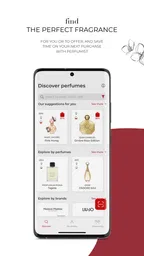
I would reach for PERFUMIST Perfume Advisor when I want to explore fragrance with a little more purpose than simply smelling whatever happens to be on a store counter. It is a beauty app built around finding perfumes that suit your preferences, discovering scents, and getting ideas when you are shopping for someone else. That makes it more useful as a guide and inspiration tool than as a substitute for trying a fragrance on your own skin.
A fragrance guide for curious noses
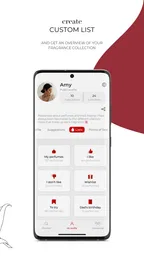
The app is free, and its focus is clear: help people make sense of a category that can otherwise feel overwhelming. Perfume names, notes, and scent families are hard to compare when you are browsing casually, especially if you do not already know whether you gravitate toward fresh, floral, woody, or sweeter fragrances. A guided profile gives that exploration a starting point rather than leaving you to rely on packaging or vague descriptions.
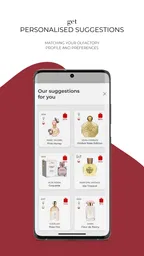
In my view, the most appealing use is not getting one supposedly perfect recommendation. It is learning how your own preferences connect to fragrances you might not have picked out by name. A suggestion can prompt a useful question: do I actually like this kind of scent, or am I reacting to a familiar note? That small shift makes browsing more thoughtful, even if the final decision still comes down to smelling the perfume in person.
Because fragrance changes with skin, weather, and time, I would treat any match as a shortlist rather than a verdict. A profile can point you toward possibilities, but it cannot reproduce the way a perfume develops after application. Use recommendations to decide what to sample, not as proof that a bottle will suit you. That is a practical expectation to have before exploring any perfume-advice app.
Where it fits in a real shopping routine
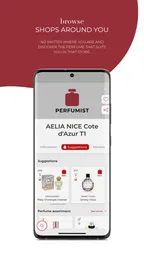
Imagine you have a few minutes before meeting a friend and want to choose a birthday gift, but you know only that they enjoy wearing perfume. PERFUMIST can help turn that broad brief into a more focused search and give you scent ideas to investigate. I would still check what the recipient already wears, if possible, and avoid buying a full-size fragrance solely because an app suggests it. Fragrance is personal; a recommendation is a useful conversation starter, not a guarantee.
The same approach works for your own shopping. Before visiting a fragrance counter, use the app to clarify what you tend to enjoy and make a compact list of candidates. At the counter, test a few options rather than sampling everything at once. This is especially helpful for people who become overwhelmed by a wall of bottles or forget which scent they liked after smelling several in quick succession.
Its social angle also gives the experience a different feel from a private fragrance notebook. The app is intended to connect fragrance lovers, so discovery is not framed only as a one-person search. That can appeal if you like seeing perfume as a shared interest, though people who want a strictly personal, offline record may prefer a simple notes app or a dedicated collection tracker.
How it compares with browsing on your own
The usual alternative is to browse a retailer’s catalogue, read brand descriptions, watch reviews, or ask a salesperson. Each has a strength: retailers make shopping convenient, reviewers can describe a scent in detail, and an in-person consultation lets you smell the options. PERFUMIST’s distinctive role is helping organize the discovery stage around your taste, rather than presenting a shop’s inventory as the starting point.
That distinction matters. Brand language can make many perfumes sound equally appealing, and online reviews often reflect someone else’s skin and preferences. A profile-led approach can help narrow the field before you spend time comparing individual bottles. But it is less useful than a physical test when your main concern is performance on your skin, how noticeable a scent feels, or whether you enjoy it after several hours.
I would not use it as a replacement for a fragrance community if what you want is long-form discussion, nor as a price-comparison tool if your priority is finding the cheapest place to buy. Its value is strongest when the question is, “What kinds of perfumes might I enjoy exploring?” It is a weaker fit when you already know the exact product you want or need a detailed shopping transaction.
A mature app, with a clear current baseline
PERFUMIST is developed by Frederick Besson and has been available since May 15, 2013. Its current version is 6.8.8-prod, and the app supports operating systems from version 8.1. Those details give a useful sense of a product that has been around for years, while the version number identifies the current release line rather than explaining every change made along the way.
I would be careful not to read a version number as a feature history. It tells you which version is current, but by itself it does not show exactly what changed between releases or how those changes affect a particular person’s routine. The sensible way to judge the app today is by the experience you can use now: fragrance discovery, preference-oriented guidance, gift inspiration, and a community element.
For someone who has used it before, the current version is the practical reference point for deciding whether to return. If you once tried the app and found it useful for browsing, it may still serve that purpose; if your old experience depended on a particular interface or workflow, it is worth checking the current app directly rather than assuming it has remained identical. The version information establishes the present release, not a promise that every past detail is unchanged.
The scale of its audience suggests that perfume discovery has broad appeal here: it has more than one million installs, a 4.7 average rating, and around fifteen thousand ratings. It is free and rated for everyone. Those figures make it approachable to try, but they do not answer the more personal question of whether its recommendations will align with your nose. I would use the low commitment of a free download to explore, then judge the suggestions by how often they lead you to scents you genuinely want to sample.
Making recommendations more useful
A helpful way to get value from a scent profile is to be honest about what you wear regularly, not just what sounds appealing in theory. If you usually choose light, clean fragrances, selecting preferences based on an ambitious, unfamiliar scent may steer discovery away from what you actually enjoy day to day. Treat the profile as a working description, and revisit your assumptions as you try more perfumes.
Another useful tactic is to keep the recommendation process separate from the purchase decision. When a suggestion catches your attention, note the name and the reason it appeals, then test it later. This reduces the pressure to buy immediately and helps you notice patterns across several candidates. If a particular suggestion feels wrong, that is still useful feedback: it can reveal that a note or scent family you expected to like does not work for you in practice.
For gifts, I would use the app to create options, then narrow them using what you know about the person’s habits. Do they prefer subtle scents, or do they enjoy a stronger presence? Do they wear perfume often, or only for special occasions? Those everyday clues may be more reliable than trying to infer a complete fragrance profile on their behalf. The app can broaden your ideas; your knowledge of the recipient should make the final choice.
There is also a useful trade-off between exploration and certainty. A discovery tool is most exciting when it introduces unfamiliar possibilities, but that same openness can produce suggestions that do not feel like an obvious match. If you prefer a short, decisive answer, a trusted salesperson or a friend who knows your taste may be faster. If you enjoy exploring and are willing to test recommendations, the app’s broader approach makes more sense.
Limits worth keeping in mind
The biggest limitation is inherent to perfume advice: a profile cannot fully account for personal chemistry, changing conditions, or the difference between smelling a scent briefly and wearing it through the day. Even a recommendation that sounds ideal may become too sweet, too sharp, or simply tiring after a while. That is why I would avoid treating a suggested match as a final buying instruction.
There is a second limitation in any recommendation system: the usefulness depends on how clearly you understand your own taste. A newcomer may not know the vocabulary needed to describe what they like, while an experienced collector might already have a specific idea of the notes and styles they seek. Beginners can still explore, but may need to approach the profile as a learning aid; advanced perfume fans may find it more useful for opening new paths than for confirming familiar preferences.
The social element will also suit some users better than others. If you enjoy connecting around shared interests, it can make fragrance discovery feel less solitary. If you prefer an uncluttered personal tool, community-oriented features may not be the main reason to install it. I would choose a simpler personal log instead if recording what you own, when you wore it, and how it developed matters more to you than finding new candidates.
Finally, the app is not the best answer to every shopping problem. It is not a substitute for checking a bottle’s authenticity, comparing current retail offers, or testing a fragrance before committing. When those are your main concerns, a reputable retailer, a sample, or an in-person visit is the better next step. PERFUMIST is most convincing earlier in the process, when you are still deciding what deserves your attention.
Who I would recommend it to
I would recommend PERFUMIST to curious fragrance shoppers, people who want a starting point for building a scent profile, and gift buyers who need ideas beyond familiar bestsellers. It is particularly suited to someone who likes experimenting and can treat suggestions as prompts. A casual user who wants to discover a few new directions may get more from it than a collector who already knows exactly what to seek.
I would skip it, or at least keep expectations modest, if you want an authoritative answer about what to buy, a detailed personal wear diary, or a replacement for testing fragrances. Someone who dislikes recommendation-led browsing may also prefer to explore independently in a shop. The app’s role is guidance, not certainty, and its strongest results depend on your willingness to compare suggestions with your own experience.
My overall impression is that PERFUMIST is a worthwhile companion for the exploratory side of perfume: it can help make a confusing shelf feel more navigable and give gift searches a more considered starting point. I would use it to find candidates, learn from what does and does not appeal, and then make the final call by sampling. Keep an eye on whether the current version continues to make that discovery process clear and useful; that matters more to me than a version number alone. If you approach it with that balance, it is an easy, low-risk way to bring more curiosity to choosing a scent.
What we like
- Personalized recommendations make it easier to discover fragrances.
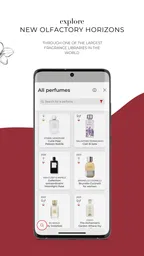
- Search filters help narrow down scents by notes and preferences.
- The perfume catalog supports exploration beyond familiar brands.
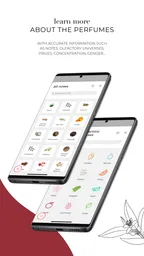
- Fragrance profiles can help compare options before buying.
- A useful companion for shoppers who are unsure what to try next.
What could be better
- Recommendations may not match how a fragrance smells on your skin.
- Catalog details may be incomplete for some products or regions.
- The app cannot replace testing a scent in person.
- Finding a specific perfume can take time in a large catalog.
- Some features may require an account or an internet connection.





