
Mary Kay® Skin Analyzer review
 Analysis by Appsdrops
I see Mary Kay® Skin Analyzer as a focused beauty app rather than an all-purpose skincare coach. Its appeal is the idea of bringing skin care and digital tools together in one place, but that promise is most useful when you already have a reason to explore Mary Kay’s approach. If you want a simple way to engage with skincare, it may be worth trying; if you expect a complete routine planner or an independent guide to every product line, keep your expectations measured.
A focused tool for thinking about your skin
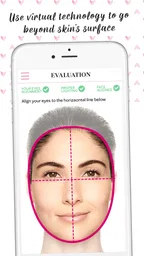
Developed by Mary Kay, Inc, this free beauty app is designed around skincare rather than makeup tutorials, social posts, or general wellness tracking. That narrower focus can be a plus: when I open an app for skin care, I want it to feel relevant to that task instead of burying it under unrelated content. The key question is whether a Mary Kay-centered tool matches the way you like to make skincare decisions.
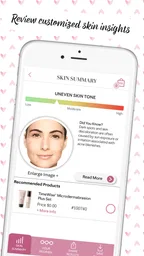
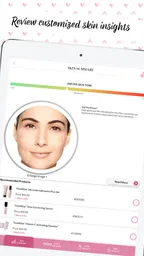
The app’s name naturally sets an expectation of analysis. I would treat that as a prompt to explore and reflect, not as a substitute for professional advice or a guaranteed diagnosis. Skin changes with lighting, weather, sleep, products, and many other factors, so any digital assessment is best used as one input in a broader routine. Use it to guide questions, not to label a skin condition.
That distinction matters in everyday use. If you are comparing how your skin feels from one week to the next, a focused tool can give you a reason to pause and think about your routine. If you have a persistent rash, painful irritation, or a sudden change that concerns you, an app from a cosmetics company is not the right place to seek medical judgment; speak with a qualified healthcare professional instead.
What makes this app worth considering
The most compelling strength is its specific purpose. Many beauty apps lean heavily on virtual makeup, shopping discovery, or broad lifestyle content. Skin Analyzer sits closer to the question people often have before buying or changing skincare: “What should I pay attention to?” That makes it more relevant to someone who wants a guided starting point than to someone simply browsing beauty trends.
Its connection to Mary Kay is also a practical trade-off, not just a brand detail. If you already use the company’s products or are considering them, a brand-specific tool can make the experience feel more coherent. You are exploring skin care within the same context as the products you may be evaluating. On the other hand, if you want recommendations drawn from a wide range of independent brands, this is not the neutral comparison tool I would choose.
A useful way to approach the app is to open it before changing your routine, rather than after you have already bought several new products. Think through what you want to understand, use the app as a structured point of reflection, and then compare its guidance with how your skin actually responds over time. That order helps keep a digital suggestion from turning into an impulse purchase or an unnecessary routine overhaul.
For example, imagine you are getting ready for a busy week and notice that your skin feels different from usual. You could use the app as a moment to review your skincare concerns and decide what to investigate, rather than immediately adding several products. The useful outcome is not necessarily a dramatic answer; it may simply be a more focused conversation with a skincare adviser or a clearer idea of what you want to look into next.
Where the experience needs realistic expectations
The central limitation is the narrow brand context. Mary Kay’s perspective may suit a user who wants to explore its skincare range, but it cannot replace a broad, independent assessment of products across the market. If your priority is to compare ingredients from many manufacturers, build a routine around products you already own, or avoid brand-led guidance altogether, a general skincare journal or a dermatologist’s advice will likely serve you better.
I would also avoid treating the word “analyzer” as a promise of clinical precision. A phone-based tool can be convenient, but convenience does not make an assessment medically reliable. The sensible approach is to use what the app offers as a starting point, then pay attention to your own experience and seek professional help for anything persistent or concerning. That is especially important if you have sensitive skin or have reacted badly to products before.
Another potential friction point is that a focused app is only valuable if its approach matches your goal. Someone who simply wants a quick list of ingredients to avoid, a routine reminder, or side-by-side comparisons across many brands may find a dedicated ingredient reference or tracking app more useful. Before relying on this one, ask yourself whether you want to explore Mary Kay’s skincare perspective or whether you are looking for an impartial tool that covers the whole market.
There is also a practical difference between guidance and follow-through. An app can help you think about your skin, but consistency still comes from the routine you choose and your ability to notice how it feels over time. I would not use a single session as a reason to replace everything on a bathroom shelf. If you decide to try a new product, making one change at a time is a more careful way to see what works than switching several steps together.
Who is likely to get the most from it
I would recommend trying it if you are curious about skin care, already interested in Mary Kay, and want a convenient digital entry point before speaking with a consultant or considering a product. It may also suit someone who feels overwhelmed by broad beauty platforms and would rather start with a single, clearly defined skincare task.
It is less suitable for users seeking medical diagnosis, a completely brand-neutral recommendation engine, or a sophisticated record of symptoms and product reactions. If you are managing a skin condition, have ongoing irritation, or need advice tailored to a medical history, a clinician is a better resource. If your main goal is to compare products from different companies, choose a tool built for cross-brand research instead.
For a more useful first session, decide what you want from it before opening the app: are you exploring a general concern, considering a skincare change, or simply learning what a Mary Kay-focused experience is like? Keeping that goal in mind makes it easier to judge whether the app is genuinely helping you. It also gives you a sensible stopping point if the guidance does not fit your needs.
The app is free, carries an Everyone age rating, and has a 4.5 average from around 1.1 thousand ratings. It has more than 100 thousand installs, which suggests that it has found an audience among people interested in this kind of beauty tool. Those figures can help set context, but they do not tell you whether its approach will suit your skin or your preferences.
On Android, it requires version 6.0 or later. It was released on January 15, 2019, and its current version is 1.5. I would still judge it by whether it supports the specific decision you are trying to make, rather than assuming that a familiar app or a high average rating automatically makes its guidance right for you.
My verdict: useful when the brand fit is right
Mary Kay® Skin Analyzer is most convincing as a focused companion for people who want to explore skincare through Mary Kay’s lens. Its main strength is that it gives skin care a dedicated place in a beauty app, and its main limitation is that the same brand focus will not suit everyone. I would try it if you are curious about the company’s skincare approach and want a low-commitment starting point.
I would skip it if you expect a clinical skin assessment, impartial recommendations across the entire beauty market, or a detailed routine tracker. For those needs, professional advice or a specialist tool is a better fit. For the right user, though, this can be a convenient way to turn a vague skincare question into a more deliberate next step—provided you treat the app as a guide for exploration, not the final authority on your skin.
What we like
- Provides a quick overview of visible skin concerns.
- Offers a convenient alternative to an in-person skin consultation.
- Can help users track changes in their skincare routine.
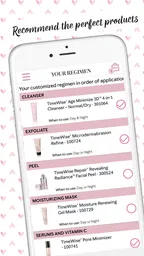
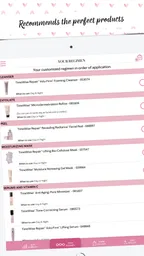
- Supports personalized product recommendations.
- May help users discover skincare options from Mary Kay.
What could be better
- Analysis results may vary with lighting and camera quality.
- The assessment cannot replace advice from a dermatologist.
- Recommendations may focus on Mary Kay products.
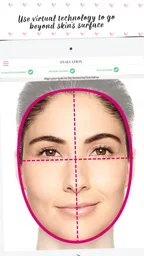
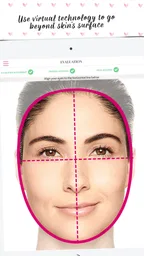
- Users may need clear photos for a useful assessment.
- Some features may depend on account or regional availability.





