

Kelley Blue Book: We Know Cars review
 Analysis by Appsdrops
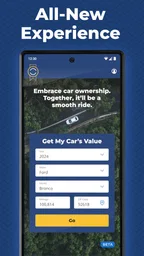
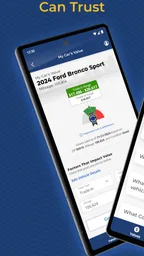
I think Kelley Blue Book is most useful at the point when a car decision stops being casual. You might be weighing a trade-in, checking whether a used-car asking price seems reasonable, or trying to make sense of several vehicles that look similar on paper. The app brings car values and research into one place, which can make that early comparison less scattered. It is not a substitute for inspecting a vehicle or negotiating in person, but it can give you a more informed starting point.
What the free app is worth
Kelley Blue Book is a free Auto & Vehicles app from Cox Automotive, Inc. Its price makes it easy to try without committing money up front. That is a meaningful advantage for shoppers who only need car information occasionally, such as when a lease is ending or a family member is selling a vehicle.
The app has a 4.7 average from around 2.8 thousand ratings, and it has been installed over 100 thousand times. Those figures suggest that plenty of people find it useful, though they cannot tell you whether its information will match the particulars of your local market or a specific car’s condition. I would treat the app as a research aid, not as a guarantee of what a buyer or dealer will pay.
It is rated for Everyone, and the current version is 2.11.0, with Android 9 as the minimum operating-system requirement. The release date is November 13, 2024. These details are useful if you are checking whether your device can run it, but they do not change the central value proposition: you can explore car research without paying to download the app.
Where the value shows up
The real value is not simply seeing a number. It is having a familiar reference point before you discuss a car with a seller, dealer, or trade-in desk. If you are considering a used vehicle, a valuation can help you frame questions: Does the asking price leave room for the car’s condition? Are you comparing the same model year and configuration? What details should you verify before treating the estimate as relevant?
I find this kind of reference most valuable before a conversation, when there is still time to compare options. A quick check can help you avoid anchoring on the first price you hear. It can also make your next step more specific: rather than asking whether a vehicle is “a good deal,” you can ask how its price compares with similar examples and what explains any difference.
There is a useful two-sided workflow here. If you are selling or trading in a car, research its value before hearing an offer. If you are buying, check the vehicle you are considering and use that context to decide what you still need to inspect or ask. Doing both can make a negotiation feel less one-sided, although an app-based estimate should not be treated as a firm offer.
Use estimates as a starting point, not a promise
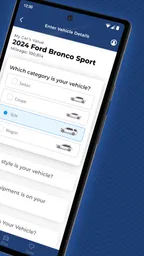
A car’s value is sensitive to details that a headline estimate cannot capture by itself. Condition, equipment, mileage, location, and the way a sale is completed can all matter. My practical tip is to be precise about the vehicle you are researching, then be equally precise about what the estimate represents. A dealer trade-in and a private sale are different situations, so avoid comparing one kind of value with another as if they were interchangeable.
For a used-car purchase, I would check the app before visiting a seller, then return to the vehicle’s actual condition and documentation. If the price looks unusually attractive, that is a reason to investigate rather than rush. If it looks high, use the estimate to prepare questions, not to assume the seller must accept a lower number. This keeps the app helpful without giving it more authority than it deserves.
Another practical use is screening a shortlist. When several cars seem plausible, compare them one at a time and note which differences could affect price. That can reveal whether a more expensive option appears to offer something you genuinely want, or whether you are paying a premium without a clear reason. It is a better use of valuation research than repeatedly checking one figure and hoping it settles the whole decision.
What the app cannot settle for you
The main tradeoff is that research cannot replace physical checks. An estimate cannot tell you how a particular car sounds on a cold start, whether its maintenance records are convincing, or whether a problem is hiding beneath a clean-looking exterior. I would still arrange an inspection and review the paperwork before buying. Kelley Blue Book can help with the price conversation; it cannot certify that the vehicle is mechanically sound.
There is also a risk of false precision. A neat value can feel definitive, but real transactions depend on the exact vehicle and the parties involved. If you use one estimate as a hard ceiling or guaranteed payout, you may misread a perfectly reasonable offer. The more unusual the car, the less comfortable I would be relying on a single reference without checking other sources and comparable local listings.
Compared with general classified listings, Kelley Blue Book is more useful for getting a valuation-oriented reference than for browsing every local vehicle available. Listings show what sellers are asking; a valuation tool helps you think about price in a broader way. Neither answers the whole question. Asking prices are not necessarily completed sale prices, while an estimate does not tell you whether a specific listing is honest or worth travelling to see.
Compared with simply asking a dealer, the app gives you a chance to do some homework first. That can make a conversation more balanced, especially if you are trading in a car while buying another. Still, I would compare the dealer’s proposal with your own research and consider the total transaction, not just one headline figure. A strong trade-in number can be offset elsewhere, so keep the full deal in view.
Everyday situations where it earns its place
Imagine you are planning to replace your car and have found a used option after work. Before arranging a test drive, you can research its value, then write down what you need to confirm: exact trim, condition, mileage, service history, and whether the seller’s price makes sense for that particular example. The next day, you arrive with focused questions instead of relying on a quick impression. That is a modest but real improvement to the buying process.
For someone preparing to sell, the app can help set expectations before listing or visiting a trade-in desk. I would use the result to choose a sensible opening position, then adjust my expectations after comparing the car’s actual condition and the kind of sale I want. If speed matters more than getting the highest possible price, a lower offer may still suit you. The app helps clarify the conversation; it cannot decide which tradeoff fits your life.
It can also help a first-time buyer avoid treating a monthly payment as the whole cost of a vehicle. Researching the car’s value encourages a closer look at the purchase price itself. I would pair that check with a separate budget for insurance, maintenance, and other ownership costs. The app’s value is strongest when it informs a wider decision rather than being asked to answer every financial question.
Who should use it, and who may prefer something else
I would recommend it to people who are buying, selling, or trading a car and want a free reference before talking numbers. It is particularly handy if you are not familiar with vehicle pricing and want a structured place to begin. The app’s 187 reviews and broad user interest offer some reassurance that it is an established choice, but the right question is still whether its research fits your specific car and transaction.
You may get more value from local classified platforms if your main goal is finding nearby cars to view or seeing what sellers currently ask in your area. If you already know the market well and only need a mechanic’s assessment, a valuation app may add little to your next step. And if you want a guaranteed purchase offer, an estimate should not be confused with a binding bid; speak directly with the buyer and compare the complete terms.
My verdict: Kelley Blue Book is an easy, free way to prepare for a car-price conversation, and I would keep it in my toolkit when a purchase or sale is approaching. Its best role is as a reference that helps you ask sharper questions and compare options more thoughtfully. I would not use it as the final word on a car’s condition, a guaranteed transaction price, or a replacement for checking local alternatives. If you approach it with those limits in mind, it can deliver useful value without costing anything to try.
What we like
- Provides vehicle values based on market data.
- Includes expert and consumer car reviews.
- Offers vehicle research for new and used models.
- Helps compare vehicles across different categories.
- Supports finding cars available near your location.
What could be better
- Vehicle values may differ from dealer offers.
- Some features may require location access.
- Listings can vary by region and change over time.
- The app depends on an internet connection for current data.
- Available information may be limited for older vehicles.





